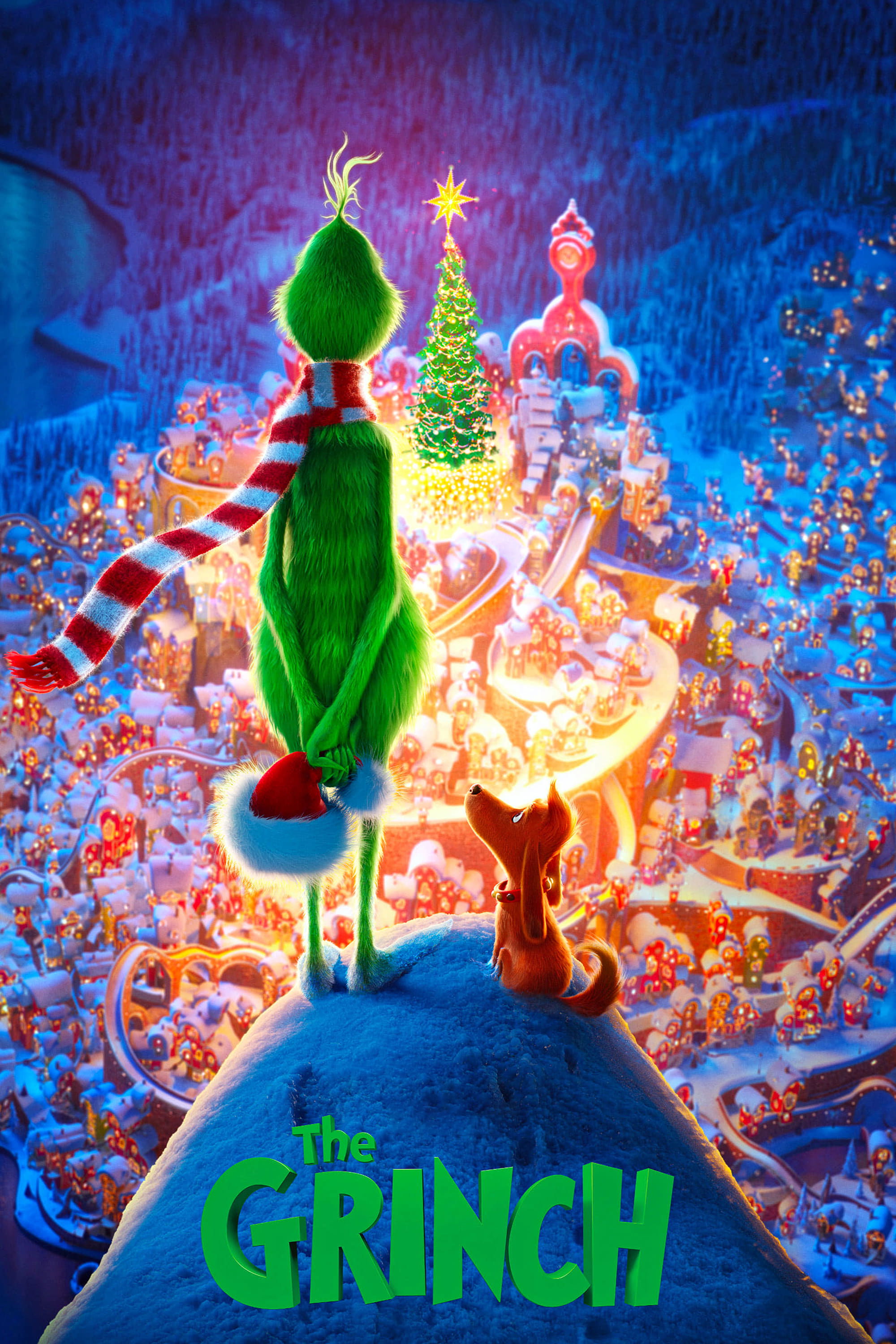
It shouldn't work. Honestly, think about it for a second. You have a song for a children's holiday special that compares the protagonist to a "greasy black peel" and claims he has "termites in his smile." That’s dark. It's borderline mean-spirited. Yet, the theme song from the Grinch—officially titled "You're a Mean One, Mr. Grinch"—has become as much of a Christmas staple as "Jingle Bells" or "Silent Night."
Most people hear those opening bass notes and immediately feel that "holiday" vibe, even though the lyrics are essentially a three-minute roast session. It’s a weirdly perfect piece of music. It’s also a song that almost everyone gets wrong when it comes to the credits.
The Mystery of the Voice: Thurl Ravenscroft vs. Boris Karloff
If you grew up watching the 1966 television special How the Grinch Stole Christmas!, you probably assumed the narrator was singing the song. After all, Boris Karloff’s voice is iconic. He brings that rasp, that refined British menace to the narration that makes the whole thing feel like a spooky fireside story. But Karloff didn't sing a single note of the theme song from the Grinch.
The actual singer was Thurl Ravenscroft.
If that name doesn't ring a bell, his voice definitely will. Ravenscroft was the man behind Tony the Tiger’s "They're Grrrreat!" catchphrase for Kellogg’s Frosted Flakes. He was a powerhouse bass singer who did a ton of work for Disney, including voices in the Haunted Mansion and the Enchanted Tiki Room.
So why didn't he get credit?
Basically, it was a massive oversight in the closing credits. Because Karloff was the "star," people just connected the dots. It got so bad that Ravenscroft actually felt a bit slighted—not because he wanted the fame, but because people legitimately thought Karloff had this secret, operatic bass range. Dr. Seuss (Theodor Geisel) eventually felt so bad about the mix-up that he personally wrote letters to columnists across the country, begging them to tell their readers that Thurl Ravenscroft was the real talent behind the mic.
Dr. Seuss as a Lyricist: The Art of the Creative Insult
We usually think of Dr. Seuss as the guy who writes about cats in hats or colored fish. We don't often think of him as a lyrical hitman. But the lyrics for the theme song from the Grinch are genuinely vicious. Geisel wrote them himself, and you can see his rhythmic DNA all over the verses.
He didn't just call the Grinch "bad." That’s boring.
Instead, he used increasingly absurd, sensory-heavy metaphors. He called him a "three-decker sauerkraut and toadstool sandwich with arsenic sauce." Just try to imagine the taste of that for a second. It’s disgusting. It’s brilliant.
The song follows a very specific structure. Each verse starts with "You're a mean one," "You're a monster," or "You're a foul one," and then spends the next several lines justifying that claim with the most creative insults in animation history.
- The heart is an empty hole.
- The brain is full of spiders.
- The soul is full of gunk.
What’s interesting is how the music by Albert Hague supports this. Hague was a Tony-winning Broadway composer, and he treated the song like a character piece from a musical. The "stop-and-go" rhythm of the orchestration allows the lyrics to land like a punchline. When Ravenscroft hits that low note on "Mr. Grinch," it vibrates in your chest. It gives the character weight. Without that specific arrangement, the Grinch might just seem like a cranky neighbor. With it, he’s a legendary villain.
The Modern Evolutions: From Tyler, The Creator to Danny Elfman
Because the theme song from the Grinch is such a cultural touchstone, every time Hollywood reboots the franchise, they have to figure out what to do with the music. You can't just ignore it. But how do you compete with the 1966 original?
In the 2000 live-action film starring Jim Carrey, the song was handled with a bit more of a theatrical, orchestral flair. It fit the maximalist, slightly gross-out aesthetic of Ron Howard’s Whoville.
Then came 2018.
Illumination’s The Grinch took a massive risk. They hired Tyler, The Creator to reimagine the track. Now, on paper, a rapper known for alternative, often abrasive hip-hop sounds like a weird choice for a Seuss adaptation. But it worked. Tyler kept the soul of the insults but added a heavy, modern bassline and a faster tempo that felt like a sprint through a winter wonderland. It proved that the song’s DNA—the "roast" format—is timeless. It works in jazz, it works in Broadway, and it works in rap.
Why We Are Obsessed With Being "Stink, Stank, Stunk"
There is a psychological reason this song sticks with us. Most holiday music is relentlessly positive. It’s all about joy, bells, and roasting chestnuts. The theme song from the Grinch is the "anti-carol." It gives us permission to acknowledge that, sometimes, the holidays are a bit much.
It’s also fun to say.
"Stink, stank, stunk."
That’s a perfect linguistic triplet. Geisel knew that kids love the sound of "naughty" words that aren't actually bad words. Calling someone a "nauseous eel" is a delight to the ears.
The song also functions as a perfect narrative tool. In the 22-minute special, we don't have a lot of time for deep character development. We need to know immediately that this guy is bad news. The song does the heavy lifting. By the time the second verse hits, we aren't just told he’s a villain; we’re convinced he’s the most unpleasant creature in existence.
The Legacy of the Low Note
If you’re a singer, the theme song from the Grinch is a rite of passage. That low G (and eventually lower) that Ravenscroft hits is the "money note." It’s incredibly difficult for most baritones to hit with that kind of resonance and clarity.
Over the years, many have tried to replicate it.
The song has been covered by everyone from Pentatonix to the Glee cast to heavy metal bands. It’s one of those rare pieces of music that survives any genre transformation because the writing is so sturdy. You can strip away the horns, add a distorted guitar, and the line "Your soul is an appalling dump heap" still goes hard.
How to Truly Appreciate the Track This Year
If you're planning on adding this to your holiday playlist, or if you're a musician looking to cover it, there are a few things you should notice that usually fly under the radar.
First, listen to the flute. Most people focus on the bass voice, but the flute obbligato throughout the song is doing incredible work. It acts as a sort of "mocking" voice, fluttering around the heavy vocals like a bird teasing a bear. It adds a layer of whimsy that prevents the song from becoming too dark.
Second, look at the vocabulary. Dr. Seuss used words like "vile," "mangled," and "deplorable." These are "big" words for a kids' show. He never talked down to his audience. He assumed kids would understand the vibe of the word even if they didn't know the dictionary definition.
What You Can Do Next
To get the most out of this classic piece of animation history, try these specific steps:
- A/B the versions: Put on the 1966 Thurl Ravenscroft version and immediately follow it with the Tyler, The Creator version. Notice how the "attitude" remains identical despite 50 years of production differences.
- Check the lyrics: Read the lyrics as a poem. Without the music, they stand up as some of the best satirical verse of the 20th century.
- Listen for the "B" Section: Most people remember the verses, but the bridge—where the music swells and the insults get more complex—is where the real compositional genius lies.
- Correct the record: Next time someone says Boris Karloff sang it, tell them about Thurl. Give the man his flowers. He earned them by being the voice of a generation’s favorite holiday monster.
The song is more than just a soundtrack for a green guy stealing presents. It's a reminder that great art doesn't have to be "nice" to be "good." It just has to be honest, creative, and maybe a little bit stinky.
Key Takeaway: The enduring power of the theme song from the Grinch lies in its refusal to be a traditional Christmas song. By embracing the "nasty" and using high-level vocabulary paired with world-class bass vocals, it created a blueprint for every animated villain song that followed, from Disney’s "Poor Unfortunate Souls" to "Be Prepared." It's a masterclass in how to make being bad sound incredibly good.
Actionable Insights for Collectors and Fans: If you're hunting for the "cleanest" version of the original audio, look for the 1999 remastered soundtrack CD or high-bitrate digital versions. Many of the older YouTube uploads suffer from "tape hiss" that muffles Ravenscroft's lower frequencies. For the best experience, listen on a system with a dedicated subwoofer to catch the sub-harmonics in those low "Mr. Grinch" stabs. This is music that was meant to be felt in the floorboards.
Scientific Note on Vocal Range: Thurl Ravenscroft was a true bass-baritone. In "You're a Mean One," he comfortably hits notes in the second octave (like C2 and Bb1), which is why the song sounds so "deep" compared to modern pop vocals which usually hover in the third and fourth octaves. This "vocal fry" and sub-resonance are what give the song its "growly" quality that perfectly matches the Grinch’s fur and personality. It’s a perfect marriage of anatomy and character design.



