Thurl Ravenscroft. Honestly, if you don't know that name, you definitely know the voice. It's that deep, gravelly, almost subterranean bass that makes your speakers vibrate every December. When people talk about You're a Mean One, Mr. Grinch, they usually think of Boris Karloff. It’s a common mistake. Karloff narrated the 1966 special, sure, but he couldn't sing a note. So, they brought in Thurl—the same guy who voiced Tony the Tiger—to deliver what is arguably the most creative "diss track" in music history.
It’s a weird song. Let’s be real. It’s basically three minutes of increasingly creative insults directed at a green recluse. Most Christmas carols are about peace, love, and reindeer, but this one? It compares a guy to a "greasy black peel" and says he has termites in his smile. It’s dark. It’s funny. And it’s a masterclass in songwriting that hasn't aged a day since Lyndon B. Johnson was in the White House.
The Secret Sauce of the Lyrics
Dr. Seuss, or Theodor Geisel, wrote the lyrics himself. You can tell. Nobody else would think to describe someone as having a soul full of "gunk." He was a linguist of the absurd. When he teamed up with composer Albert Hague, they created something that shouldn't have worked. It’s a jazz-adjacent, orchestral pop hybrid that feels more like a villain’s anthem from a Broadway play than a holiday jingle.
Think about the structure. It’s not a verse-chorus-verse situation. It’s a linear progression of hatred. Every stanza raises the stakes. We start with the Grinch being "cuddly as a cactus" and "charming as an eel." By the end, the singer is saying he wouldn't touch him with a thirty-nine-and-a-half foot pole. That specific number—39.5—is pure Seuss. It’s precise and ridiculous.
The vocabulary is the real star here.
- Mung.
- Nauseous.
- Splot.
- Stink, stank, stunk.
That last one? It’s a linguistic triple-threat. It uses the past tense, the past participle, and a made-up middle ground to emphasize just how bad the Grinch smells. It’s rhythmic. It’s satisfying to say. It’s why kids still scream it at the top of their lungs sixty years later.
Why Thurl Ravenscroft Got Snubbed
Here is a bit of Hollywood trivia that still bugs people: Thurl Ravenscroft wasn't credited in the original closing titles of the TV special. Because Karloff did the narration, everyone just assumed he sang the song. It was a huge oversight.
Geisel felt so bad about it that he actually wrote letters to columnists across the country, basically saying, "Hey, it was actually this guy Thurl! Give him the credit!" Even though he didn't get his name on the screen initially, Ravenscroft’s performance is what made the song a hit. His voice had this unique "true bass" quality. He could hit those low notes without losing the clarity of the words. It’s a rare gift. Most singers who go that low sound like they're gargling rocks, but Thurl sounded like velvet-wrapped iron.
Modern Covers and Why They Usually Fail
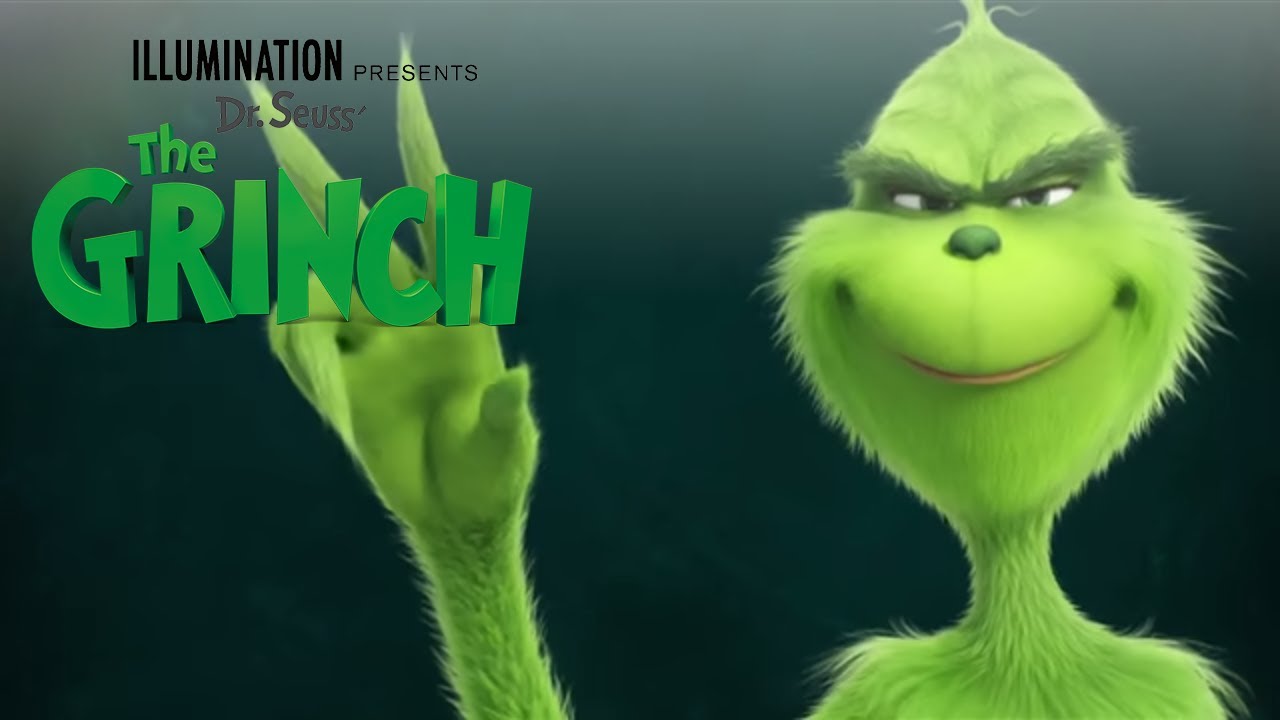
Every few years, a new movie comes out and someone tries to reinvent You're a Mean One, Mr. Grinch. We’ve seen Jim Carrey do it. We’ve seen Tyler, The Creator take a stab at it for the 2018 Illumination film. We've seen various pop stars try to "jazz it up."
Tyler’s version was interesting because it leaned into the hip-hop elements of the track. It was heavy on the bass and had a modern, minimalist vibe. It worked for that specific movie. But does it replace the original? Not even close. There’s a theatricality in the 1966 version that’s hard to replicate. Most modern covers try too hard to be "cool." The original isn't trying to be cool; it’s trying to be mean. It’s right there in the title.
When Jim Carrey performed it in 2000, he leaned heavily into the Vaudeville aspect. It was more about the performance than the vocal. That’s fine for a movie musical, but if you’re just listening to the soundtrack, you miss the sheer vocal power of the original recording.
The Musicality of the Insults
Albert Hague was a Tony-winning composer. He didn't approach this as a "cartoon song." He approached it as a serious piece of music. Listen to the brass section. Those sharp, staccato hits in the background? They underscore the "bite" of the lyrics.
The song is actually quite complex. It’s got a bluesy undertone but moves with the precision of a march. The way the instruments drop out during the "stink, stank, stunk" line is a classic comedy timing move. It forces the listener to focus on the words. There's no beat to hide behind. It’s just the voice and the judgment.
Cultural Impact in the 2020s
Why do we still care? Honestly, it might be because the Grinch is the most relatable holiday character. We all have those "Grinch" days. In a world of forced holiday cheer and overwhelming commercialism, a song that's basically just a list of reasons why someone sucks is incredibly refreshing. It’s the "anti-Christmas" song that makes Christmas bearable.
It’s also become a massive meme. You see it on TikTok every year. People use the audio to describe their pets, their messy rooms, or their politicians. The song has moved past its original context. It’s now a universal shorthand for being a "heel."
Breaking Down the "Three-Decker Sauerkraut and Toadstool Sandwich"
Let’s talk about the imagery for a second. Dr. Seuss was obsessed with disgusting food combinations to signal moral decay. The "sauerkraut and toadstool sandwich with arsenic sauce" is the pinnacle of this.
- Sauerkraut: Bitter, fermented, pungent.
- Toadstools: Poisonous, earthy, damp.
- Arsenic: Just straight-up lethal.
It’s a vivid, multi-sensory experience. You can almost smell the imaginary sandwich. Most songwriters would just say "he's a bad guy." Seuss says his heart is an "empty hole" and his brain is "full of spiders." It’s visceral. It’s why the song sticks in your brain. It paints pictures that are gross but somehow delightful.
If you're looking to really appreciate the track this season, don't just play it in the background while you're wrapping gifts. Actually listen to the arrangement.
Check out the 1966 original on a decent pair of headphones. Listen for the way Ravenscroft rolls his 'R's. Pay attention to the flute that flutters around the melody like a nervous bird. It’s a brilliant piece of mid-century production.
If you want to go deeper, look up the sheet music. The key changes and the interval jumps are surprisingly difficult. It’s not an easy song to sing, which is why most people fail at karaoke when they try it. You need the range, but you also need the "stank."
What to do next:
- Compare the 1966 version with the 2018 Tyler, The Creator version back-to-back. Notice how the rhythm section changed from orchestral brass to synthesized bass.
- Look up Thurl Ravenscroft's other work. He did a lot of voices for Disney attractions, including the Haunted Mansion and Pirates of the Caribbean. You'll start hearing him everywhere.
- Read the original book again. You'll notice the song isn't in there. It was created specifically for the TV special, proving that sometimes the adaptation really does add something essential to the source material.



