Thurl Ravenscroft. Say that name out loud. It sounds like something pulled straight from a Victorian ghost story, but that deep, floor-rattling bass voice is the reason why You're a Mean One, Mr. Grinch is basically the only "villain song" that gets played on repeat next to "Silent Night" every December. Most people actually think Boris Karloff sang it. He didn't. Karloff narrated the 1966 special, but he couldn't hit those basement-level notes. It’s one of the great injustices of Hollywood history that Ravenscroft wasn't credited in the original closing titles.
Dr. Seuss, or Theodor Geisel, wrote the lyrics, and they are weirdly violent. Think about it. He calls the Grinch a "nasty-wasty skunk" and says his heart is an "empty hole." It's visceral. It’s not just a kids' song; it's a lyrical roast.
The Secret Sauce of the Grinch’s Theme
What makes this track work isn't just the insults. It’s the arrangement by Albert Hague. He used these stabbing brass hits and a slinky, jazz-inspired rhythm that makes the Grinch feel cool even though he’s a total jerk. It’s got swagger. You’ve got the 1966 original, which is the gold standard, but the song has been mutated and reimagined by everyone from Tyler, The Creator to Jim Carrey.
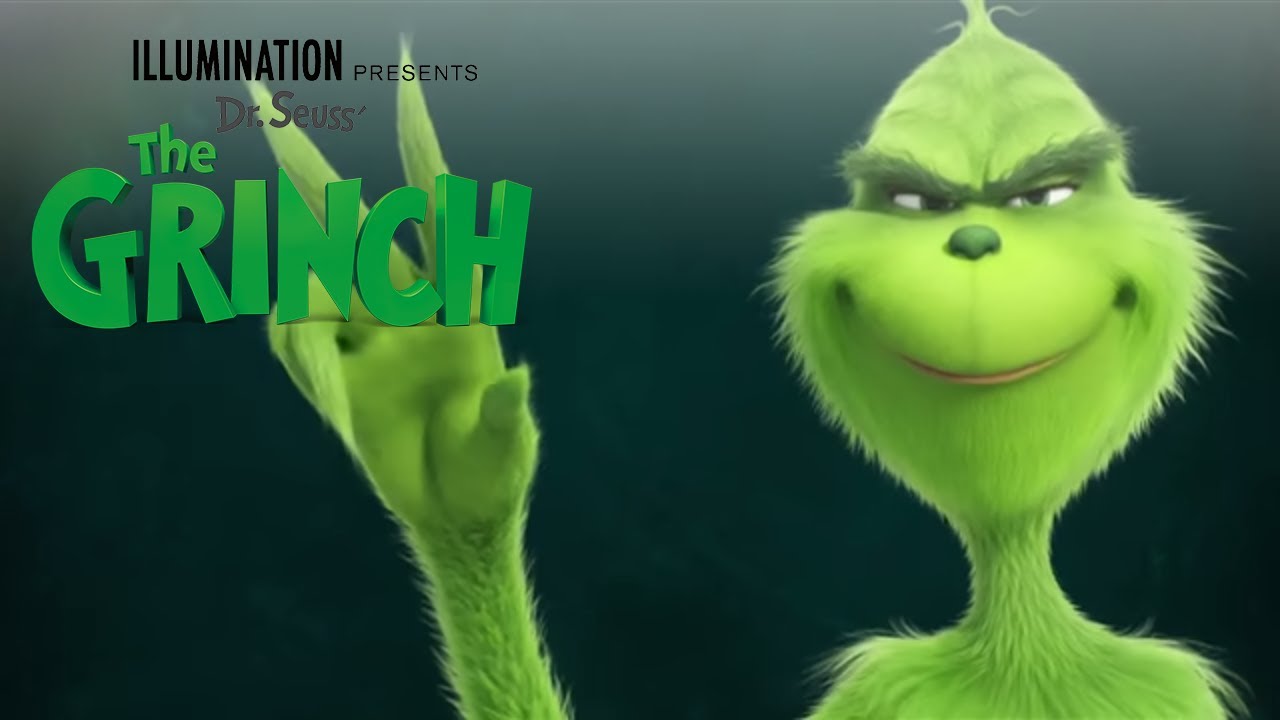
Honestly, the Tyler, The Creator version for the 2018 Illumination film is a fascinating case study in how to modernize a classic without breaking it. He kept the "stink, stank, stunk" vibe but added this heavy, percussive grit that fits the modern ear. It’s interesting how a song about a green hermit living in a cave survives being filtered through hip-hop production.
The song is basically a list of increasingly creative ways to call someone trash. You have the classic "three-decker sauerkraut and toadstool sandwich with arsenic sauce." That’s a lot. Most songwriters today wouldn't dare put "arsenic" in a Christmas special for toddlers. Geisel didn't care. He wanted the Grinch to be loathsome. He wanted you to feel the grease on the guy’s soul.
The Bass-Baritone Mystery
Let’s go back to Thurl. If you don't know the name, you definitely know the voice—he was Tony the Tiger for over five decades. "They're Gr-r-reat!" That’s him. When he sang You're a Mean One, Mr. Grinch, he used a vocal technique that made the notes feel like they were vibrating in your chest.
There's this common misconception that the song is easy to sing. It isn't. It requires a massive range. You have to be able to growl the low notes while maintaining the comedic timing of the higher, spoken-word-style deliveries. Most covers fail because they try to be too "musical." The original works because it sounds like a warning.
Why the Lyrics are a Masterclass in Wordplay
Dr. Seuss was a genius of phonetics. He knew that certain sounds are inherently funnier or more disgusting than others. Words like "mush," "gunk," and "slop" appear throughout his work. In this song, he doubles down on hard consonants.
- "You're a crooked dirty jockey and you drive a crooked horse."
- "You're a foul one, Mr. Grinch."
- "Your heart is full of unwashed socks."
That last one is a killer. It’s such a specific, domestic kind of grossness. It’s not just that he’s evil; he’s unhygienic. He’s the guy who doesn't do his laundry. That makes him more relatable as a villain than some cosmic dark lord. We all know a Grinch. Maybe we’ve been the Grinch on a Tuesday morning before coffee.
Comparing the Movie Versions
The 2000 Jim Carrey version of the song is... chaotic. Carrey sings it himself, and it’s buried under layers of his manic energy. It works for that specific movie because that Grinch is a performance artist. He’s needy. He wants attention. The 1966 Grinch, though? He just wants to be left alone with his dog. The original song reflects that cold, calculated bitterness.
Then you have the 2018 version. It’s sleek. It’s high-def. But does it have the soul of the hand-drawn animation? Probably not. There’s something about the scratchy audio of the 60s recording that makes the insults feel heavier.
The Cultural Impact of Being a "Mean One"
It’s one of the few holiday songs that isn't about joy, birth, or snow. It’s about hating someone. And yet, it brings people together. We sing it with a smile. Why? Because the Grinch represents the part of us that finds the holidays exhausting. The song gives us permission to acknowledge the "stink, stank, stunk" of the season.
It’s been used in countless commercials and parodies. It’s the go-to anthem for any sports figure or politician who gets a reputation for being prickly. It has transcended the cartoon. It is a linguistic shorthand for "this person is a nightmare."
The Compositional Genius of Albert Hague
Hague was a Tony Award winner, and you can hear that Broadway sensibility in the timing of the pauses. The silence between the verses is just as important as the music. It lets the insult land. If the music was constant, the lyrics wouldn't breathe.
Think about the "seasick crocodile" line. The music actually mimics a swaying, nauseous motion. It’s brilliant. It’s word-painting. He’s using the orchestra to tell the story of the Grinch’s physical repulsiveness.
How to Actually Use This Knowledge
If you're a musician or a content creator, there’s a lesson here in branding. The Grinch isn't just "bad." He’s "a foul one." He has "termites in his smile." Specificity is everything. If you’re writing something—whether it’s a song or a blog post—stop using generic adjectives. Find the "unwashed socks" of your topic.
Also, if you're ever in a trivia contest, remember Thurl Ravenscroft. He’s the unsung hero of the holidays. He never got the royalties or the fame he deserved for this specific track during his lifetime, but his voice is immortal.
Actionable Takeaways for Grinch Enthusiasts
To truly appreciate the craft behind You're a Mean One, Mr. Grinch, you have to look past the green fur.
- Listen to the 1966 Mono Mix: Modern stereo remixes often separate the vocals too much. The original mono mix feels like a punch in the face. It's tighter.
- Analyze the Verse Structure: Notice how the insults escalate. It starts with personality flaws and ends with a metaphorical comparison to a "three-decker sauerkraut and toadstool sandwich." It’s a ladder of disgust.
- Check out the "Burl Ives" Misconception: Many people confuse the Grinch singer with Burl Ives (who did "A Holly Jolly Christmas"). They are very different. Ives is warm; Ravenscroft is freezing.
- Watch the Mouth Animation: Chuck Jones, the animator, timed the Grinch’s sneers perfectly to the brass hits in the music. It’s a masterclass in sync.
The Grinch isn't going anywhere. Every few years, a new studio will try to reboot him, and they’ll always have to figure out what to do with this song. You can’t have the Grinch without the roast. It's the ultimate anti-holiday anthem that somehow makes the holidays feel more complete. Without the darkness of the Grinch, the lights of Whoville wouldn't look half as bright.
Next time it comes on the radio, pay attention to that flute line in the background. It’s chirpy and bright, acting as a sarcastic counterpoint to the deep, booming insults. That contrast is the definition of Dr. Seuss’s legacy: something dark, something bright, and a whole lot of weirdness in between.



