It’s a nasty piece of work. Honestly, if you sit down and look at the lyrics to You're a Mean One, Mr. Grinch, they are essentially a three-minute-long roast session that would make a modern comedian blush. We’re talking about a song that compares a living being to a "greasy black peel" and "termite-ridden" teeth. It’s brutal. Yet, every single December, without fail, this track becomes the unofficial anthem of the holiday season. It’s played in malls, featured in every school play, and streamed millions of times.
Why do we love it? It’s basically the anti-Christmas carol.
While every other song on the radio is busy singing about silver bells and chestnuts roasting over an open fire, this song is busy describing a "soul full of gunk." It’s refreshing. It’s also a masterpiece of vocal performance and songwriting that almost didn't happen the way we remember it. Most people can't even name the guy who sang it, which is one of the biggest injustices in music history.
The Mystery of the Deep Voice
If you ask a casual fan who sang You're a Mean One, Mr. Grinch, nine times out of ten they’ll say Boris Karloff. It makes sense, right? Karloff was the narrator of the 1966 animated special. He had that iconic, raspy, theatrical voice. But here’s the thing: Karloff couldn’t sing. Not like that. He didn't have the range to hit those low, gravelly notes that make your floorboards vibrate.
The real singer was Thurl Ravenscroft.
That name sounds like something out of a Gothic novel, but you actually know his voice better than almost anyone else's. Ravenscroft was the voice of Tony the Tiger ("They're G-r-r-reat!"). Because he wasn't credited in the closing titles of the special, everyone just assumed it was Karloff. Dr. Seuss (Theodor Geisel) actually felt so bad about the mix-up that he personally wrote to newspaper columnists across the country to tell them that Ravenscroft was the true talent behind the song. It’s a weird bit of trivia that still catches people off guard today. Imagine being the guy who sang one of the most famous songs in history and having everyone thank a Frankenstein actor instead.
Lyrics That Defy Logic (and Biology)
Dr. Seuss was a genius of the English language, but he went particularly hard on this one. The lyrics to You're a Mean One, Mr. Grinch are a masterclass in creative insults. He didn't just call the Grinch mean. That’s boring. He called him a "bad banana with a greasy black peel." He said his heart was an "empty hole" and that his brain was "full of spiders."
Think about the sheer imagery there.
Most holiday songs use pleasant metaphors. This song uses biohazards. You’ve got mentions of "arsenic sauce" and "seasick crocodiles." It’s incredibly vivid. It’s also one of the few songs where the insults get progressively more complex. By the time we get to the three words that best describe him—Stink, Stank, Stunk—the listener is fully on board with the idea that this guy is the absolute worst.
The structure is also fascinating. It follows a repetitive "You're a..." format that feels like a playground taunt, but the musical arrangement is sophisticated jazz-inflected pop. Albert Hague, the composer, wrote a melody that is surprisingly difficult to sing. It requires a massive vocal range, dipping into the deep bass territory that few pop singers can touch.
Why the Song Never Ages
Music usually has an expiration date. Production styles change. We look back at 80s synth-pop or 90s grunge and it feels "of its time." But You're a Mean One, Mr. Grinch feels timeless because it doesn't try to be cool. It’s theatrical. It’s basically a Broadway villain song dropped into a 26-minute cartoon.
The 1966 original remains the gold standard, despite the big-budget covers.
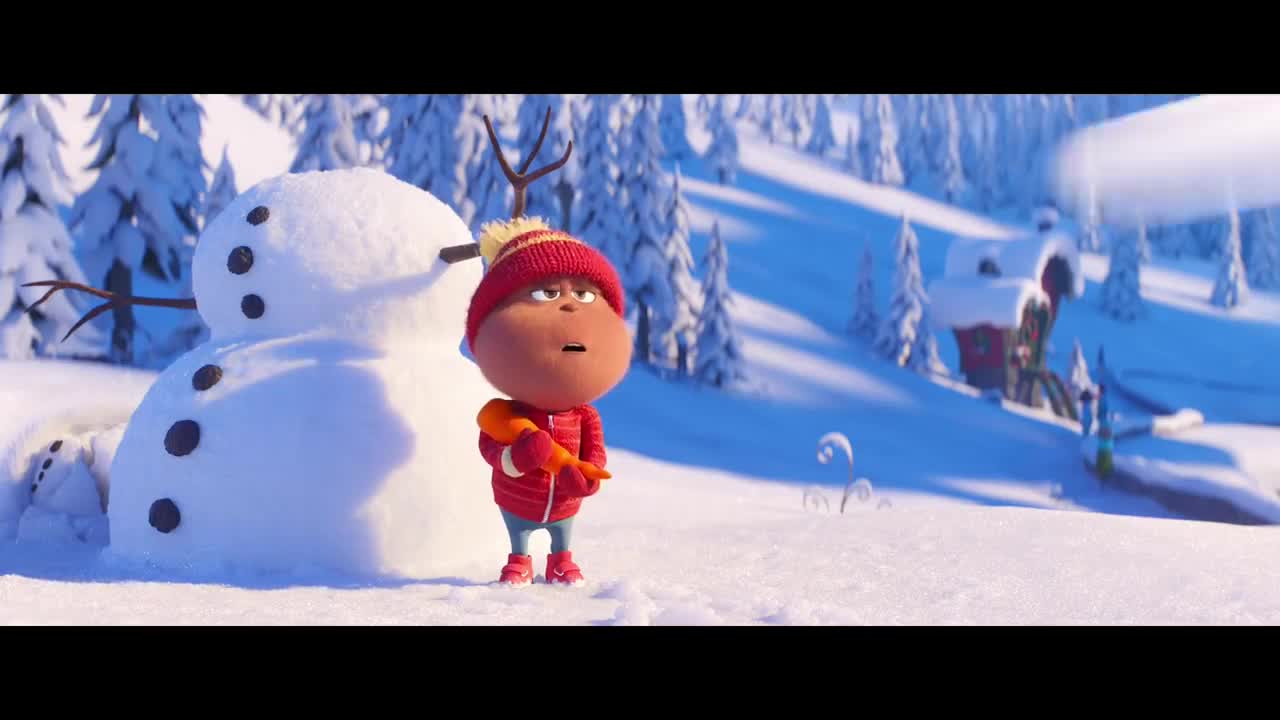
When Jim Carrey took on the role in 2000, his version was high-energy and comedic, fitting for his performance. Then you had Tyler, The Creator doing a modernized, hip-hop-influenced version for the 2018 Illumination film. It was actually pretty good—it kept the menace but added a heavy bassline that appealed to a younger demographic. But even with those superstars involved, the 1966 track is the one that stays on the charts. It’s the sonic equivalent of a warm (if slightly dirty) blanket.
The Technical Brilliance of the Composition
We need to talk about the music itself for a second. Albert Hague was a Tony Award-winning composer. He didn't treat this like a "kids' song." The brass section in the recording is punchy and aggressive. The "boom-pappa-doom" rhythm provides a steady, almost militaristic foundation for Ravenscroft’s vocals to dance over.
There’s a specific tension in the song.
The music is jaunty, almost happy, which contrasts sharply with the lyrics about "dead tomato splotches." This juxtaposition is what makes it funny. If the music was dark and scary, the song would be depressing. Because the music is swinging, the insults feel like a joke we’re all in on. It’s a perfect example of how tone can change the entire meaning of a piece of art.
The Cultural Impact of the Grinch’s Theme
It’s rare for a song to define a character so completely. When you think of the Grinch, you don’t just see a green furry guy; you hear that bassline. It has become shorthand for "being a spoilsport." If someone complains about a party, they’re a Grinch. If a politician cuts a budget, someone’s going to play this song.
It has transcended the movie.
In a world where holiday cheer is often forced and saccharine, You're a Mean One, Mr. Grinch gives us a little bit of breathing room. It acknowledges that not everything is perfect. It celebrates the "nasty" side of things in a way that’s safe and fun. We all have those days where we feel like a "three-decker sauerkraut and toadstool sandwich," and this song lets us lean into that for a few minutes.
Getting the Most Out of Your Holiday Playlist
If you’re putting together a seasonal mix, you can’t just throw this song in anywhere. It’s a momentum-shifter. Put it after something too sugary, like "Candy Cane Lane," to cleanse the palate. It works best in the middle of a set when people are starting to get a little tired of the standard carols.
Also, pay attention to the version you're playing. While the covers are interesting, the original 1966 version has a specific "room sound"—that analog warmth—that digital recreations struggle to mimic. It’s about the soul of the recording.
Practical Steps for Grinch Fans
If you want to dive deeper into the history of this track or use it for your own holiday events, here is what you should actually do:
- Check out the 1966 Soundtrack: Don't just settle for the single. The entire soundtrack features narration by Boris Karloff that sets the stage for the song perfectly. It provides context that makes the lyrics even funnier.
- Acknowledge Thurl Ravenscroft: Next time you’re at a party and this song comes on, be that person. Tell people it’s not Boris Karloff. It’s the Tony the Tiger guy. It’s a great conversation starter and gives credit where it’s truly due.
- Analyze the Lyrics with Kids: If you have children, this song is a fantastic way to teach them about metaphors and descriptive language. Ask them what a "seasick crocodile" looks like. It’s a fun creative exercise that goes beyond just listening.
- Watch the Original Special: The animation is timed perfectly to the music. You’ll notice how the Grinch’s movements match the "slithering" nature of the brass instruments. It’s a masterclass in synchronization.
The song is a masterpiece. It's mean, it's gross, and it's absolutely perfect. Without it, the holidays would be just a little bit too sweet, and honestly, we need a little "arsenic sauce" to keep things interesting.



