Wait.
Before you panic because your seven-month-old is still gummy while your neighbor’s baby already has two sharp little "vampire" teeth, breathe. Every parent eventually ends up staring at a teeth for infants chart at 2:00 AM, wondering why their child isn't following the "rules." Honestly, those charts are more like loose suggestions than actual laws of biology. For a deeper dive into similar topics, we suggest: this related article.
Babies are weirdly individual.
Some are born with teeth (it’s rare, but natal teeth are a real thing!), and others reach their first birthday with nothing but a smooth pink smile. Most of the time, that's totally fine. However, understanding the general sequence—the order in which these pearls pop up—is actually way more useful than obsessing over the exact month. For additional details on this topic, detailed coverage can be read at CDC.
The Reality of the Teeth for Infants Chart
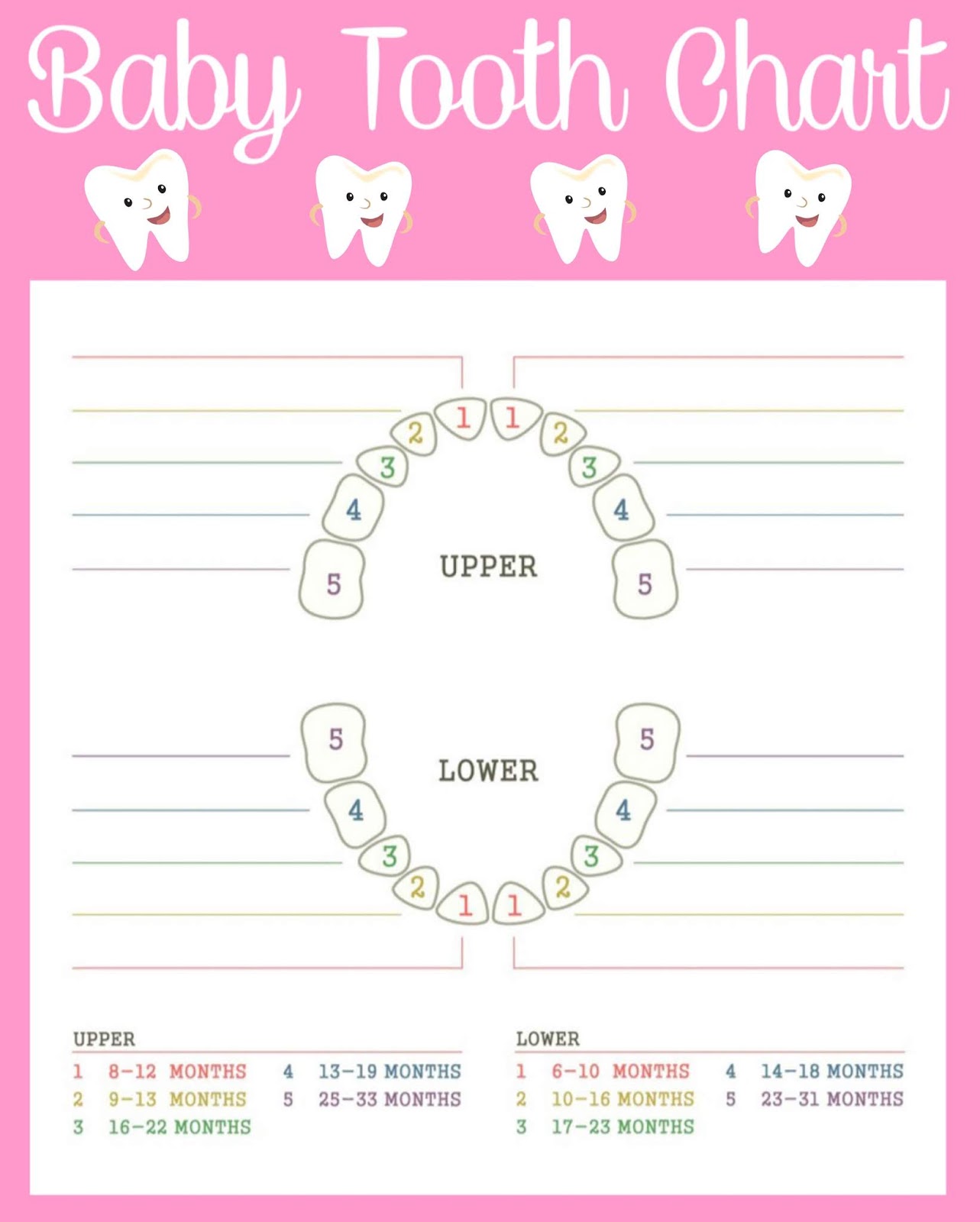
You’ve seen the diagrams. Usually, they show a perfect little mouth with dates neatly labeled. Central incisors at 6 months. Lateral incisors at 9 months. It looks so organized! But in a real pediatrician's office, like the ones run by experts at the American Academy of Pediatrics (AAP), we see a massive range of "normal."
Typically, the bottom two front teeth (lower central incisors) make their debut first. This usually happens between 6 and 10 months. Then, the top two (upper central incisors) follow suit around 8 to 12 months.
But here is the kicker: some kids skip the line.
I’ve seen babies get their upper lateral incisors before the bottom ones. It makes them look like little bunnies for a few weeks. It’s adorable, and more importantly, it's usually not a sign of any developmental delay. According to the American Dental Association (ADA), the general "rule of four" applies: for every six months of life, about four teeth will erupt. By age three, your child should have a full set of 20 primary teeth.
Why the Sequence Matters More Than the Date
The reason a teeth for infants chart focuses on sequence is that teeth need to "stack" correctly to save space for adult teeth later. If the first molars come in way too early or if teeth are missing entirely (congenitally missing teeth), it can change how the jaw develops.
Most parents worry about the pain, but dentists worry about the space.
If your baby is 12 months old and has zero teeth, don't spiral. Most pediatric dentists suggest an initial "well-baby" checkup by their first birthday regardless of how many teeth are visible. They aren't just looking for white spots; they’re checking the health of the gums and the jaw structure.
The Symptom Myth: What’s Actually Teething?
People blame everything on teething. Diarrhea? Teething. Fever of 103? Teething. The baby is grumpy because the moon is in retrograde? Must be teething.
Let's get real.
True teething symptoms are actually pretty mild. We’re talking about slight irritability, some drooling (okay, a lot of drooling), and a desire to gnaw on anything within arm's reach—including your collarbone. Dr. Paul Casamassimo, a chief policy officer at the AAPD, has noted that while a slight rise in body temperature is common, a true fever (over 100.4°F or 38°C) is usually a sign of a viral infection, not a tooth.
When a tooth is pushing through, it causes localized inflammation. It's uncomfortable. It’s not a systemic illness.
If your baby has a runny nose and a cough, they probably just have a cold. The timing might overlap with a new incisor appearing on your teeth for infants chart, but they aren't necessarily related. Don't ignore a high fever just because you see a bump on the gums.
Managing the Chaos Without Dangerous Gels
Back in the day, people used some wild stuff for teething. Whiskey on the gums? Please don't. Benzocaine gels? Absolutely not. The FDA has issued multiple warnings about over-the-counter numbing gels containing benzocaine because they can lead to a rare but fatal condition called methemoglobinemia, which reduces the oxygen in the blood.
Basically, it's dangerous.
Homeopathic teething tablets are also a "no" from most modern experts. The FDA found inconsistent amounts of belladonna (a toxic herb) in some of those products. It’s just not worth the risk for a few minutes of peace.
So, what actually works?
- Cold, not frozen: A chilled washcloth is the GOAT. The texture massages the gums and the cold reduces inflammation. Frozen rings can be too hard and actually bruise the delicate gum tissue.
- The "Clean Finger" Method: Honestly, just scrubbing your own hands and giving their gums a firm massage works wonders.
- Solid foods (if they’re ready): If your baby has started solids, a cold piece of cucumber or a large chilled carrot (too big to swallow!) can provide that "counter-pressure" they crave.
Cleaning the "Firsts"
Once those teeth from your teeth for infants chart actually show up, the work begins. You don't wait until they have a mouthful of teeth to start brushing. You start the day the first white speck breaks the surface.
Use a tiny smear of fluoride toothpaste. How tiny? Think the size of a grain of rice.
Many parents are scared of fluoride for infants, but the current recommendation from the ADA is to use a tiny bit as soon as teeth appear to prevent early childhood caries (cavities). Baby tooth enamel is thinner than adult enamel. It decays fast. I've seen two-year-olds needing general anesthesia for dental surgery because "they're just baby teeth, they’ll fall out anyway."
That’s a dangerous mindset. Baby teeth hold the space for permanent teeth. If they rot and have to be pulled early, the adult teeth might come in crooked or impacted.
Common Misconceptions About Tooth Order
Every now and then, a parent will call in a panic because their baby is getting "fang" teeth (canines) before the front ones. This is sometimes called "vampire teething."
Is it weird? A little. Is it a medical emergency? Usually no.
While the teeth for infants chart follows a standard path for about 90% of kids, the other 10% just do their own thing. Sometimes the order is influenced by genetics. Ask your parents or your partner’s parents when you guys got your teeth. Often, "late bloomers" run in the family.
Actionable Steps for the Next 48 Hours
If you are staring at your baby's mouth right now trying to figure out what's going on, here is your immediate game plan. Forget the complex theories and just stick to the basics of oral health.
Check the Gums Wash your hands. Run your finger along the ridges. If you feel a hard, sharp bump, a tooth is imminent. If the area looks blue or purple, don't freak out. That's an eruption hematoma—essentially a tiny bruise where the tooth is breaking through a blood vessel. It usually goes away on its own when the tooth pops.
Ditch the Teething Jewelry Amber necklaces are trendy. They are also a massive strangulation and choking risk. There is zero scientific evidence that "succinic acid" is released into the skin to provide pain relief. It’s a choking hazard masquerading as a holistic remedy. Throw it out.
Schedule the "First Birthday" Visit Find a pediatric dentist. Not just a general dentist who "sees kids," but a specialist. They have the tiny tools and the patience of saints. This first visit is mostly about "knee-to-knee" exams where the baby sits in your lap and the dentist takes a quick peek. It builds a "dental home" so the child isn't terrified later.
Monitor Nighttime Feeds If those teeth are in, try to wipe the gums with a damp cloth after the last feeding of the night. Milk (even breastmilk) has sugars. If it sits on those brand-new teeth all night, it can kickstart decay.
The teeth for infants chart is a guide, not a grade. Your baby isn't "behind" if they don't have a tooth by six months, and they aren't a "genius" if they get them at four. They’re just growing at their own pace. Keep the gums clean, keep the chilled washcloths handy, and watch for that first jagged white line to break through. It’s a milestone that marks the end of the "newborn" feel and the beginning of a whole new world of crunchy snacks and toothbrushes.
/i.s3.glbimg.com/v1/AUTH_08fbf48bc0524877943fe86e43087e7a/internal_photos/bs/2025/H/e/ewwgKCQCSopdUJUwy6DA/imagem-2025-04-27-114802986.png)


