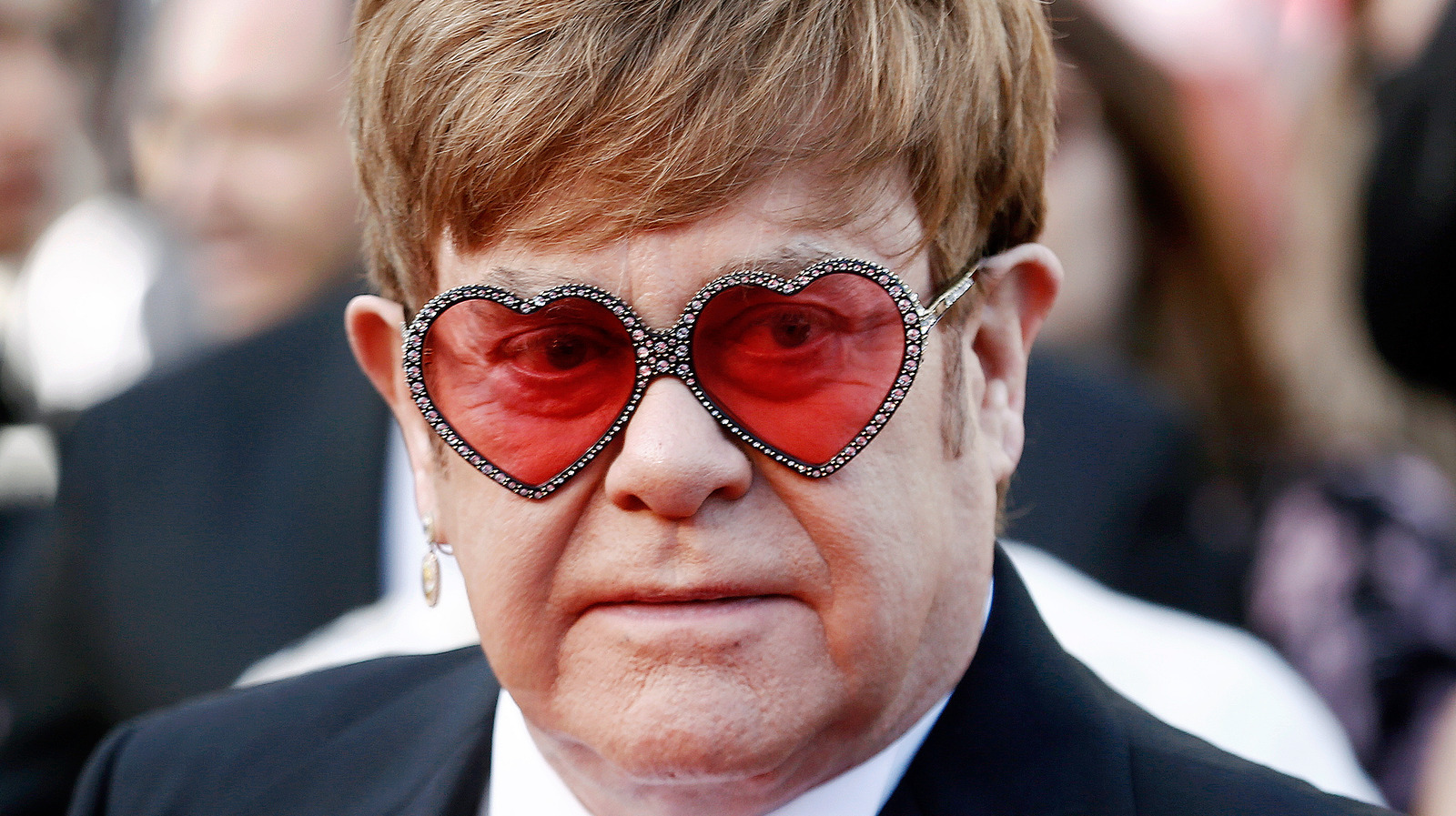
It’s 1969. North London. A scruffy 17-year-old kid named Bernie Taupin is sitting at a kitchen table in a suburban house, eating breakfast and scribbling on a piece of paper that’s literally covered in tea stains. He hands the paper to a 22-year-old piano player named Reg Dwight. Reg looks at the mess, sees the lyrics, and basically thinks, I better not screw this up.
Twenty minutes later, Your Song was born. If you liked this article, you might want to look at: this related article.
That sounds like a movie scene, right? Honestly, it kind of was. If you’ve seen the movie Rocketman, you’ve seen a version of this. But the real story is actually a bit more chaotic than the Hollywood version. It wasn't just a "lightning bolt" moment; it was the desperate hail-mary of two guys who were technically failing at the music business. Before Your Song changed everything, Elton John (still calling himself Reg) was just a session player, and Bernie was a farm boy who’d barely been to the big city.
The "Accidental" Hit That Saved a Career
People often forget that Your Song wasn't even the first single from Elton’s self-titled second album. That honor went to "Border Song," which, frankly, didn't do much. It hit number 92 and then just... sat there. For another perspective on this development, check out the recent coverage from Variety.
There was a real fear that Elton was going to be another "one-and-done" artist. The labels didn't know what to do with a piano player who didn't write his own lyrics. It’s a weird setup, right? Usually, the singer writes the words, or they're a "band." But Elton and Bernie were this weird two-headed monster.
When Your Song finally dropped, it didn't even have its own spotlight. It was actually the B-side to "Take Me to the Pilot." Imagine that. One of the greatest love songs ever written was tucked away on the back of a 7-inch record like an afterthought. It only became a hit because radio DJs—bless their hearts—started flipping the record over because they liked the B-side better.
Why the Lyrics Are So... Weird (In a Good Way)
If you actually look at the words Bernie wrote, they are incredibly clunky.
- "I sat on the roof and kicked off the moss."
- "If I was a sculptor, but then again, no."
In any other song, these would be terrible. They feel hesitant. But that’s exactly why Your Song works. Bernie was a teenager. He had never been in a real relationship. He was writing about the idea of being in love, which is why the lyrics are so self-conscious. He’s basically saying, "I'm trying to write a song for you, but I'm kind of bad at it."
That honesty is what caught the ear of John Lennon. Lennon famously said that when he heard Your Song, he knew it was the first "new thing" to happen since The Beatles. High praise from a guy who wasn't known for being particularly nice to other musicians.
The Three Dog Night "Thievery" That Wasn't
Here is a bit of trivia that usually wins pub quizzes: Elton John wasn't the first person to record Your Song.
The American band Three Dog Night actually got their hands on it first. They were huge at the time, and Elton was actually their opening act. They recorded it for their album It Ain't Easy in March 1970.
Now, normally, a big band like Three Dog Night would have released it as a single and made millions. But they did something almost unheard of in the music industry. They realized the song was so good—and so perfectly suited to Elton—that they refused to release it as a single. They wanted to give the "kid" a chance to have his own hit.
Think about that. A massive stadium-filling band basically said, "Nah, let's let the opening act have this one." Without that specific act of generosity, Elton John might have never become a household name.
Anatomy of a "Simple" Song
Musically, the track is a bit of a trick. It sounds simple because it’s mostly just piano and Elton's voice, but the arrangement by Paul Buckmaster is actually pretty sophisticated.
The way the strings swell right as Elton hits the "How wonderful life is" line isn't just luck. It was recorded at Trident Studios in London, which had this legendary 16-track setup that allowed them to layer the sound in a way that felt intimate but also massive.
- The Intro: Those first few piano chords are some of the most recognizable in history. They aren't flashy. They just feel like a conversation starting.
- The Vocal: Elton’s voice in 1970 was much higher and "cleaner" than it is now. He sounds vulnerable. There’s no ego in the delivery.
- The "Egg" Moment: Bernie always jokes that the original lyric sheet had egg stains on it because he wrote it at the breakfast table. Elton saw the stains, saw the "sculptor" line, and just started playing.
The Lasting Legacy (And the Money)
It’s hard to overstate how much this song is worth. Beyond the millions in royalties, it’s been covered by everyone. Lady Gaga, Ellie Goulding, Rod Stewart—even Ewan McGregor in Moulin Rouge!.
But for Elton, it’s the anchor. He has performed Your Song at almost every single concert he’s ever played. That’s over 50 years of singing the same lines. You’d think he’d be sick of it. But in interviews, he always says it’s the one song he never gets tired of because it’s so "pure."
It’s the song that proved you didn't need a guitar to be a rock star. You just needed a piano, a tea-stained piece of paper, and a lot of heart.
How to Appreciate "Your Song" Today
If you want to really "get" why this song matters, stop listening to the remastered digital versions for a second. Try to find an original 1970 vinyl pressing or a high-quality analog rip. You’ll hear the slight hiss of the tape and the way Elton’s fingers hit the keys.
Next Steps for the Super-Fan:
- Listen to the Three Dog Night version: Compare it to Elton's. It’s much "groovier" and has a totally different vibe. It makes you realize how much Elton’s restraint shaped the hit we know.
- Check out the 17-11-70 live recording: This is a live radio broadcast Elton did right after the song became a hit. It’s raw, it’s fast, and it shows a much more "rock and roll" side of the track.
- Read Bernie Taupin's memoir: If you want the "unglossed" version of those early years in the Northwood Hills suburbs, Bernie's book Satanic Majesties Request (wait, no, that's the Stones—it's actually called Scattershot) gives the real dirt on their working relationship.



