Honestly, it’s rare for an anime to jump from a niche hobbyist interest to a global phenomenon that makes grown adults cry in movie theaters. Your Name (Kimi no Na wa) did exactly that. Directed by Makoto Shinkai and released in 2016, the film didn't just break records; it shattered them, becoming one of the highest-grossing anime films ever made. If you’re looking to watch the Your Name full movie, you aren’t just looking for a "cartoon." You’re looking for a specific kind of emotional gut-punch that deals with memory, disaster, and the feeling that you've forgotten something—or someone—deeply important.
The plot feels simple at first. Taki, a boy in bustling Tokyo, and Mitsuha, a girl in the rural town of Itomori, start waking up in each other's bodies. It’s a classic trope. We’ve seen it in Freaky Friday. But Shinkai twists it. He turns a comedy of errors into a high-stakes race against time and cosmic tragedy.
The Actual Mechanics of the Body Swap
Most people get the body-swapping part, but the timeline is where it gets tricky. Mitsuha lives in 2013. Taki lives in 2016. When they swap, they aren't just crossing space; they are crossing a three-year temporal gap. This is why they can never meet in person during the swaps. It’s a brilliant, cruel narrative device.
The film uses the concept of Musubi, or "knotting," to explain this connection. Mitsuha’s grandmother, Hitoha Miyamizu, explains that braiding cords, drinking water, and even the flow of time itself are all Musubi. Everything is intertwined. This isn't just flavor text; it’s the scientific logic of the movie’s universe. When Mitsuha leaves her "half" (the kuchikamizake sake) at the shrine, she’s leaving a physical piece of her soul that Taki eventually uses to reconnect with her across the three-year void.
It’s messy. It’s beautiful.
Why Itomori Feels So Real
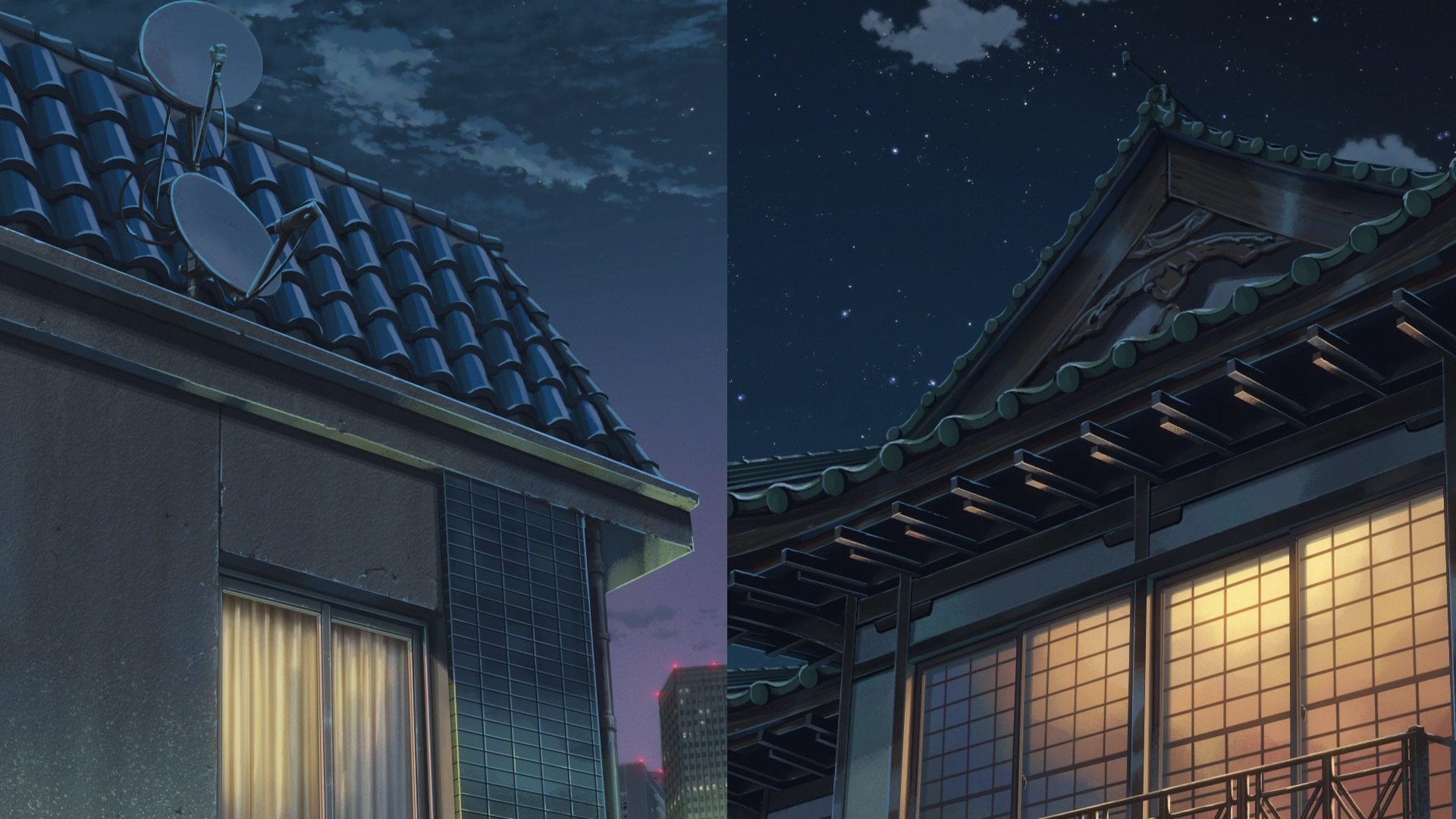
The town of Itomori is fictional, but its inspiration is grounded in reality. Shinkai drew heavily from his own hometown in Nagano Prefecture, specifically the area around Lake Suwa. The visual fidelity of the Your Name full movie is largely due to Comix Wave Films' obsession with light. They don't just draw a sunset; they draw the way light refracts through a specific type of humidity.
The comet, Tiamat, is the catalyst for the tragedy. While it looks stunning, it represents a very real cultural trauma in Japan: the 2011 Tohoku earthquake and tsunami. When the comet splits and destroys Itomori, it mirrors the suddenness of real-world disasters where entire towns were wiped off the map in minutes. That’s why the emotional stakes feel so heavy for Japanese audiences—and why the film resonated so deeply worldwide.
Where to Find Your Name Full Movie Without the Nonsense
If you're hunting for the Your Name full movie online, you've likely run into a wall of sketchy sites. Avoid them. Seriously. Aside from the malware risks, the compression on those sites ruins the animation. Shinkai’s work is meant to be seen in high definition—ideally 4K if you can get it.
- Crunchyroll/Sony: Since the Funimation merger, Crunchyroll is the primary home for the film in many regions.
- Netflix: Depending on your country (it frequently rotates in and out of European and Asian catalogs), it might be available there.
- Digital Purchase: Platforms like Apple TV, Amazon Prime Video, and Google Play Store offer it for rent or purchase.
- Physical Media: The Blu-ray is actually worth it here. The "Collectors Edition" includes a soundtrack CD by RADWIMPS, which is basically the heartbeat of the film.
Don't settle for a 480p rip on a pirate site. You’ll miss the details in the background art, like the specific brands of stationary on Taki's desk or the shifting shadows in the Tokyo subways.
The RADWIMPS Factor
You can't talk about the Your Name full movie experience without mentioning the music. Most directors hire a composer to write music for finished scenes. Makoto Shinkai did the opposite. He sent the script to Yojiro Noda, the lead singer of the rock band RADWIMPS, and let the music influence the animation.
Songs like "Zenzenzense" and "Sparkle" aren't just background tracks. They dictate the pacing. The lyrics actually provide subtext for the characters' internal feelings that aren't voiced in the dialogue. If the music feels perfectly synced to the characters' heartbeats, it's because it literally was designed to be.
Common Misconceptions About the Ending
People often ask: "Do they remember each other at the end?"
The short answer is no—at least not consciously. The supernatural bond broke once they changed the past and saved the town. The "price" of saving Itomori was their memories of each other. However, the film leans into the idea of premonition. That nagging feeling that you’re looking for someone you’ve never met. When they finally pass each other on those red-railed stairs in Tokyo (which is a real location near Suga Shrine in Yotsuya), it's their souls recognizing the Musubi connection, even if their brains can't recall the names.
Real-Life Locations You Can Actually Visit
The "pilgrimage" (Seichijunrei) for this movie is a massive thing in Japan.
- The Stairs: The iconic final scene happens at the Suga Shrine stairs in Shinjuku.
- The Island: Aogashima, a volcanic island south of Tokyo, is the visual basis for the Miyamizu shrine’s god-body (the crater).
- The Station: Hida-Furukawa Station in Gifu Prefecture is where Taki gets off the train to look for Mitsuha. They even have a mascot in the station that appeared in the movie.
Going to these places is a surreal experience. It’s like stepping into the screen.
Actionable Insights for Fans and First-Time Viewers
If you’re about to dive into the Your Name full movie for the first time, or if you’re planning a rewatch, here is how to get the most out of it:
- Watch the background clocks. Shinkai leaves clues about the three-year time difference very early on through calendar dates and phone models. Taki uses an iPhone 5s-style device, while the 2016 scenes show slightly more updated tech.
- Pay attention to the ribbons. The red braided cord is the visual metaphor for their connection. Look at who is wearing it and when. It moves from Mitsuha’s hair to Taki’s wrist, symbolizing the transfer of their "bond."
- Listen to the lyrics. If you’re watching with subtitles, make sure they include the song lyrics. They are crucial to the narrative flow.
- Check out Shinkai's other work. If you finish this and feel a void in your soul, watch Weathering With You (Tenki no Ko). There are actually "blink and you’ll miss it" cameos from Taki and Mitsuha in that film, confirming they are part of a shared universe.
Your Name is more than just a body-swap flick. It’s a meditation on loss and the stubborn refusal to let go of a connection, even when the universe tries to erase it. Grab some tissues. You’re going to need them.
To truly appreciate the film's impact, your next step should be looking up the "Kimi no Na wa" location map if you ever plan to visit Tokyo. Walking those stairs in Yotsuya is a rite of passage for any fan. Beyond that, explore the RADWIMPS discography to understand the lyrical depth that shaped the movie's soul.



