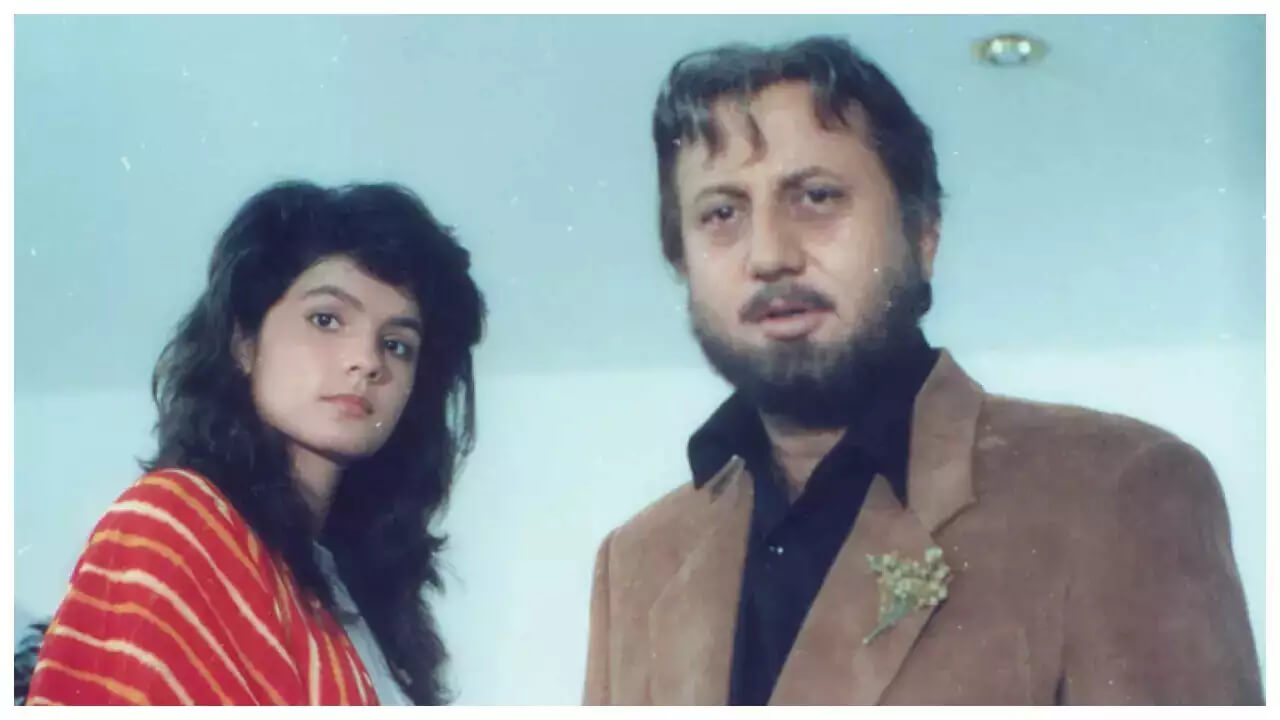
Ever scrolled through a streaming service and seen a title so blunt it makes you double-take? That’s exactly how most people find the 2017 psychological horror film Your Mom. It’s not a joke. It isn’t a meme. Actually, it’s one of those low-budget experiments that sticks in your ribs long after the credits roll because it taps into something deeply uncomfortable: the realization that the person who raised you might be a total stranger.
Most folks go in expecting a B-movie or some kind of raunchy comedy. They're wrong. Directed and written by Rob Fitz, who has a background in special effects and makeup—think The Last Halloween—this movie isn’t interested in cheap laughs. It’s interested in decay. It’s interested in the way family ties can turn into a noose.
What actually happens in Your Mom?
The setup is deceptively simple. We follow a young man who decides to visit his mother. He hasn’t seen her in years. He’s looking for closure, or maybe just a connection he never had. But when he arrives at her secluded home, things are... off. Not "haunted house" off. It’s more of a "the air feels heavy and my skin is crawling" kind of off.
Fitz uses a gritty, almost visceral visual style. This isn't the polished horror of a Blumhouse production. It feels lived-in. Grimy. The house itself acts as a character, cluttered with the debris of a life spent in isolation. You can almost smell the damp carpet through the screen.
The mother, played with a jarring, unpredictable energy, isn't some supernatural demon. She’s something worse: a person who has completely lost her grip on reality, or perhaps, has embraced a reality that is fundamentally hostile to her own child. The tension doesn't come from jump scares. It comes from the dinner table. It comes from the silence between sentences.
Why the title Your Mom is a double-edged sword
Honestly, the title probably hurt the film’s initial reach. In the era of "Your Mom" jokes, it’s hard to market a serious psychological thriller with that name. But if you look at it through a thematic lens, it’s perfect. It strips away the pedestal we put parents on. It’s aggressive. It’s a confrontation.
When we talk about "Your Mom" in this context, we aren't talking about the woman who bakes cookies. We’re talking about the biological origin point—the "Mom" who exists as a force of nature, sometimes a destructive one. The movie plays with the idea of the "Mother" archetype and then smashes it with a hammer.
The technical grit of Rob Fitz
If you know Rob Fitz’s work, you know he doesn't shy away from the grotesque. His background in SFX means the practical effects in the film—when they do show up—are gnarly. But he’s restrained here. He lets the psychological rot do the heavy lifting before bringing out the physical manifestations of the trauma.
- Cinematography: It's claustrophobic. The camera stays tight on faces. You see every pore, every twitch of an eye.
- Sound Design: There’s a constant hum. A low-frequency dread that makes you feel like your ears need to pop.
- Pacing: It’s a slow burn. Real slow. Some might call it "mumblegore," but that feels too dismissive for the level of craft on display.
Addressing the misconceptions about the plot
There’s a lot of misinformation online about this movie, mostly because it shares a name with various shorts and comedy skits. Let’s be clear: Your Mom is not a spoof. It’s often confused with the 2020 film Motherly or even the 2014 psychological thriller Goodnight Mommy. While they share DNA—specifically the "is this actually my mother?" trope—Fitz’s movie is much more interested in the cyclical nature of abuse and the literal filth of neglected mental health.
The ending is a point of massive contention among fans. Some find it abrupt. Others think it’s the only way the story could have ended. Without spoiling the specifics, let’s just say it refuses to give the audience a "safe" exit. It leaves you sitting in the mess.
Why indie horror matters in 2026
In a landscape dominated by franchises, movies like this are vital. They represent a raw, unfiltered creative vision that hasn't been sanded down by a dozen producers. Your Mom was made on a shoestring budget, and it shows in the best way possible. It’s authentic. It doesn't care if you like it. It only cares that you feel something.
The film serves as a reminder that the most terrifying things aren't under the bed. They’re sitting across from us at the kitchen table, asking how our day was while sharpening a knife.
How to watch and what to look for
If you’re planning on diving into this one, go in cold. Turn the lights off. Put your phone away. The movie relies on you being trapped in that house with the characters.
- Watch the background. Fitz hides a lot of visual storytelling in the clutter of the house. Pay attention to the photos on the walls and the state of the rooms the protagonist isn't supposed to enter.
- Listen to the dialogue. Or rather, the lack of it. The things left unsaid between the mother and son are where the real horror lives.
- Check the credits. Seeing the small team involved gives you an appreciation for how much they squeezed out of their limited resources.
Next time you’re looking for a deep-cut horror flick, skip the big-name sequels. Find Your Mom. It’s a grueling, uncomfortable, and ultimately fascinating look at the bonds that break us.
To get the most out of your viewing, try to find the director's commentary if it's available on your platform. Fitz’s insights into the practical effects and the challenges of shooting in a single, cramped location add a whole new layer of appreciation for the technical grit required to pull off a movie this visceral. Also, compare it to his other work like The Last Halloween to see how his style evolved from pure creature-feature vibes to this more nuanced, psychological dread.



