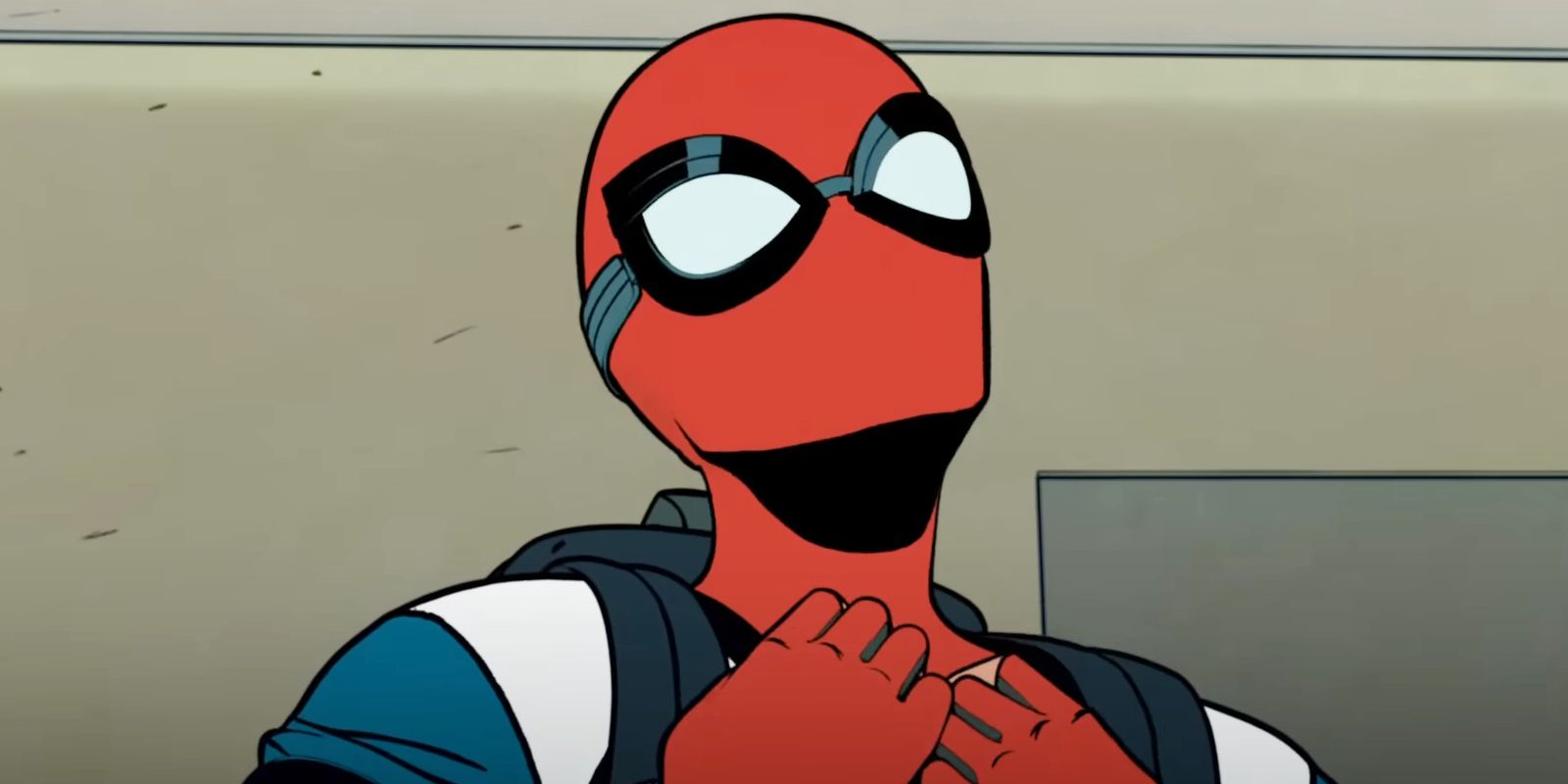
He isn't a god. He isn't a billionaire. He’s just a kid from Queens who happens to be able to lift a semi-truck. That’s the magic. When we talk about your friendly neighborhood Spider-Man, we aren't just reciting a tagline that Stan Lee and Steve Ditko cooked up back in 1962. We’re talking about a philosophy. It’s a weirdly specific promise to the reader that this hero won’t forget the person stuck in an elevator while he’s busy stopping a literal alien invasion.
Most superheroes are untouchable. They live in fortresses or high-tech towers. Peter Parker lives in a cramped apartment and worries about the security deposit. Honestly, that’s why he’s survived sixty-plus years of reboots. People don't just like Spider-Man; they see themselves in his screw-ups.
Where the Neighborhood Label Actually Comes From
You’ve probably seen the phrase plastered across lunchboxes for decades. But "your friendly neighborhood Spider-Man" first started popping up as a way to contrast Spidey with the "menace" label the Daily Bugle kept trying to pin on him. J. Jonah Jameson spent years calling him a vigilante and a threat. Peter countered that by being, well, friendly. It was a PR move that turned into a personality trait.
In The Amazing Spider-Man #7, Peter is already leaning into the local hero vibe. He isn't trying to be an Avenger yet. He’s just trying to make sure the Vulture doesn't rob any more banks in his zip code.
Think about the scale here. Unlike Thor, who deals with cosmic shifts, or Iron Man, who handles global security, Spider-Man is perfectly happy helping an old lady find her way home. That "neighborhood" part is literal. He’s grounded. He’s tied to the concrete of New York City in a way that no other character is. If you take Peter out of NYC, he kinda loses his North Star.
The Burden of Being Relatable
It sucks to be Peter Parker.
I’m serious. The "Parker Luck" is a real trope in Marvel Comics because the writers realized early on that if Peter’s life is going too well, the story gets boring. To be your friendly neighborhood Spider-Man, he has to suffer. He misses dates because Dr. Octopus is melting a bridge. He loses his job because he had to save a subway car.
There’s a famous panel in The Amazing Spider-Man #33—the "Master Planner" saga—where Peter is trapped under tons of machinery while water leaks in. He’s exhausted. He’s ready to give up. But he remembers Aunt May needs him. He lifts the weight not because he’s the strongest guy in the room, but because he’s the only one who cares enough to stay in the neighborhood.
Experts in comic book history, like Peter Coogan, often point out that Spider-Man was the first "neurotic" superhero. He has anxiety. He has bills. He gets the flu. This relatability is what makes the neighborhood label stick. He’s one of us, just with better reflexes.
Why the Movies Keep Changing the Neighborhood
We’ve had three major live-action iterations of Spider-Man in the last twenty years. Each one treats the "neighborhood" concept a bit differently.
Tobey Maguire’s version was very much a working-class hero. He was a pizza delivery guy. He was a student. He felt like the guy you’d actually see swinging past your window in Queens. Andrew Garfield brought a more "outsider" vibe, focusing on the mystery of his parents, which arguably took him away from the neighborhood roots a bit too much for some fans.
Then came Tom Holland.
The MCU version of your friendly neighborhood Spider-Man was interesting because it started with him literally rejecting the "big" hero life. In Spider-Man: Homecoming, Tony Stark offers him a spot on the Avengers and a shiny new suit. Peter says no. He tells Tony he’d rather stay on the ground and look out for the "little guy." Of course, by Infinity War, he’s in space fighting Thanos, but the heart of the character always wants to go back to the street corners.
The Evolution of the Catchphrase
- The 60s: A cheeky way to talk back to the police and the press.
- The 90s: A darker era where Peter struggled with his identity but still protected the locals.
- The 2020s: A symbol of community-focused heroism in a world of high-stakes cinematic universes.
The "Street-Level" Problem
There is a constant tension in Marvel writing. You have a character who is popular enough to lead billion-dollar global franchises, but his entire "brand" is being a local guy. How do you keep your friendly neighborhood Spider-Man grounded when he’s literally saved the multiverse in No Way Home?
The comics handle this by constantly resetting his status quo. Every time Peter gets a high-paying job or a stable relationship, the universe (or a writer) blows it up. It sounds cruel, but it’s necessary. If Spider-Man becomes too successful, he isn't our neighbor anymore. He’s just another celebrity.
Look at the "Street-Level" Marvel heroes. Daredevil, Luke Cage, Iron Fist. They all stay in their boroughs. Spider-Man is the only one who consistently jumps between punching a mugger and punching a celestial god. Keeping that balance is why he remains the face of the company.
More Than Just a Hero: The Social Impact
Spider-Man has a unique role in the real world, too. He’s been used in countless PSA campaigns. Why? Because kids trust him. He isn't an authority figure like Captain America. He’s a peer.
In the 1970s, the Electric Company segments made Spidey a tool for literacy. He didn't speak; he used speech bubbles to help kids learn to read. He was literally a neighborly presence on their TV screens. More recently, the Spider-Verse films have expanded the "neighborhood" to include everyone. If "anyone can wear the mask," then the neighborhood isn't just Queens—it’s wherever you are.
Miles Morales changed the game here. He brought a different neighborhood—Brooklyn—and a different culture to the role. It proved that the "friendly neighborhood" title wasn't tied to Peter Parker specifically, but to the ideal of a hero who stays connected to his roots.
Common Misconceptions About Spidey
People think Spider-Man is weak because he’s a "neighborhood" guy. That’s a mistake.
Spider-Man is actually one of the most powerful beings in the Marvel Universe when he stops holding back. There’s a storyline called Superior Spider-Man where Doctor Octopus takes over Peter’s body. He punches the Scorpion’s jaw clean off because he didn't realize Peter had been pulling his punches for years.
Peter Parker is constantly vibrating with the effort of not hurting people. Being "friendly" is a choice he makes every single day. He could be a tyrant. He could rob banks and no one could stop him. Instead, he chooses to be the guy who catches your bike when it’s stolen. That’s the real strength of your friendly neighborhood Spider-Man. It’s the restraint.
How to Lean Into the Spider-Man Ethos
If you’re looking to apply a bit of that Spider-Man energy to your own life (minus the radioactive spiders and the spandex), it basically comes down to a few things.
Focus on your local circle first. We get so caught up in "global" issues and massive "world-changing" goals that we forget the person living next door might need a hand. Peter Parker taught us that you don't need a cape to be significant. You just need to show up.
Next Steps for the Spider-Man Fan:
- Read the Essentials: If you want to see the "neighborhood" aspect at its best, check out The Sensational Spider-Man #21 (the "The Wedding" issue) or Amazing Spider-Man #248 ("The Kid Who Collects Spider-Man"). These stories strip away the villains and focus on the heart.
- Support Local Creators: Just as Peter is a local hero, your local comic shop is the "neighborhood" of the industry. Skip the big online retailers and go talk to a shop owner.
- Watch the Evolution: Re-watch Spider-Man: Into the Spider-Verse and pay attention to how the "neighborhood" is visualised through street art and music. It’s a masterclass in modernizing a 60-year-old concept.
- Volunteer: Honestly, the most "Spider-Man" thing you can do is find a small, local way to help out in your own town. No superpowers required.
Spider-Man isn't great because he can climb walls. He’s great because he’s the only hero who would actually stop and talk to you if you were having a bad day. He’s the personification of the idea that with great power comes a very specific, very local responsibility.
Stay grounded. Look out for the little guy. Keep it friendly.



