Peter Parker has been bitten by a radioactive spider more times than we can count. We've seen the Uncle Ben tragedy on loop. But Your Friendly Neighborhood Spider-Man, the new animated series from Marvel Studios, is trying something that feels weirdly fresh by going backward. It isn't just another origin story. Honestly, it’s a total remix of the MCU mythos we thought we knew by heart.
The show takes us back to Peter's high school roots. Simple, right? Except this time, the mentor figure isn't Tony Stark. It’s Norman Osborn. That one change ripples through the entire narrative, turning the "Homecoming" era logic on its head. It's a "what if" scenario that isn't technically a What If...? episode—it's its own dedicated universe.
The 1960s Aesthetic is the Real Star
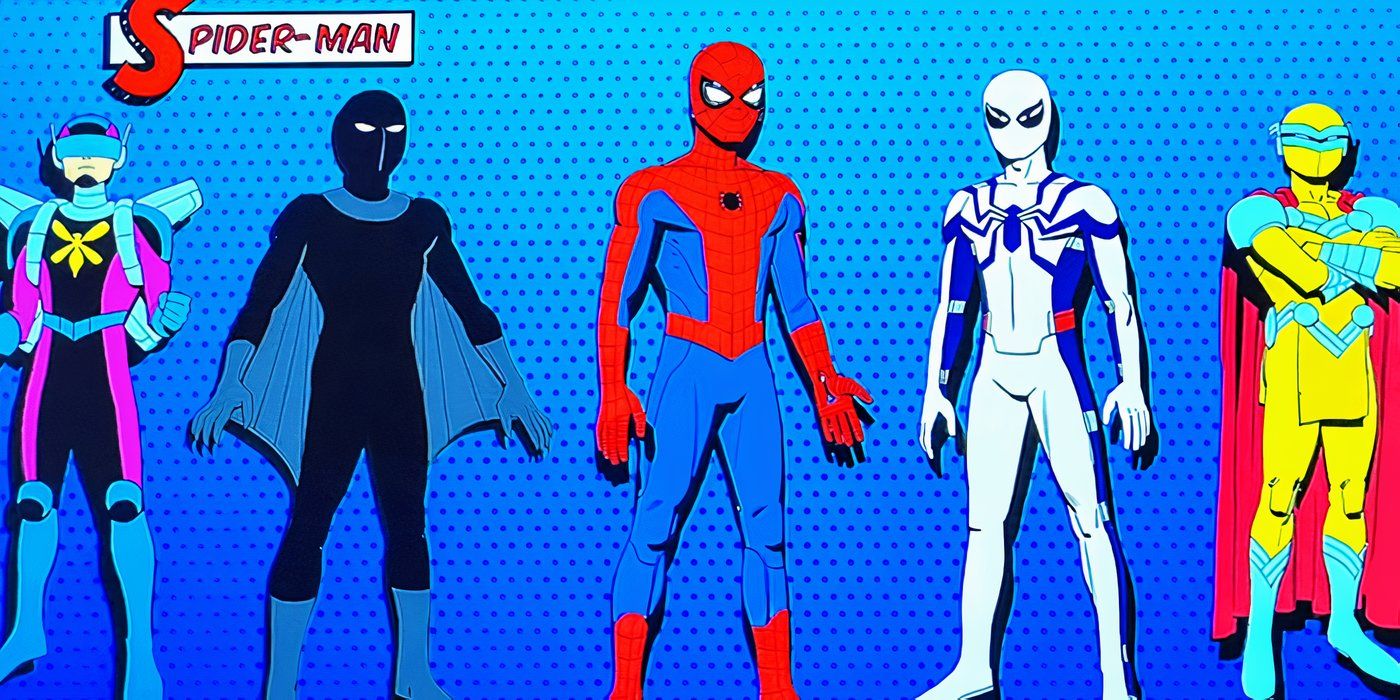
Most modern superhero shows look sleek. They look digital. This show looks like it was pulled out of a dusty bin at a garage sale in 1965. The art style is a direct homage to the legendary Steve Ditko, the man who co-created Spidey alongside Stan Lee. You can see it in the way the eyes are drawn—smaller, more expressive in a jittery, anxious sort of way. The colors aren't perfectly blended. They have that "dot" texture from old-school printing presses.
It’s tactile.
The animation moves with a specific rhythm that mimics the limited frame rates of Saturday morning cartoons but with a high-end production budget. It’s a deliberate choice. Director Jeff Trammell and the team at Marvel Studios Animation wanted something that felt "hand-drawn" even in a 3D-assisted world. It’s a love letter to the era where Spider-Man was just a kid in Queens trying to figure out why his sweat smelled like chemicals.
Who is in the Class of Your Friendly Neighborhood Spider-Man?
Forget the cast list you’re used to from the Tom Holland movies. While Peter is still the core, the supporting players around him are a deep dive into Marvel Comics history. We aren't just getting Ned Leeds and MJ. Instead, we’re seeing Nico Minoru from the Runaways and Amadeus Cho.
Wait. Nico Minoru?
Yeah, it’s an odd pairing. But it works because it leans into the "neighborhood" aspect of the title. These aren't just superheroes-in-waiting; they are teenagers in a messy, interconnected New York. Having Norman Osborn step into the "billionaire genius mentor" role creates this constant, nagging tension for the audience. We know who Norman becomes. Peter doesn't. That dramatic irony is the engine that drives the first season.
Hudson Thames provides the voice for Peter, returning after his stint in What If...?, and he nails that specific brand of "I'm-trying-my-best-but-everything-is-on-fire" energy. He sounds like a kid. Not a movie star playing a kid. A kid.
Why the "Freshman Year" Rebrand Happened
You might remember this show was originally announced as Spider-Man: Freshman Year. The title change to Your Friendly Neighborhood Spider-Man wasn't just a marketing whim. It signals a shift in focus. The "Year" titling felt like it was leading toward a finite series—Freshman, Sophomore, Junior. The new title suggests a status quo. It’s about the daily grind of being a local hero.
It’s about the cat stuck in a tree. It’s about the bike thief.
Marvel has spent a decade going "cosmic." We've had multiversal collapses and purple aliens snapping fingers. This show is a hard pivot back to the pavement. There’s something deeply satisfying about watching Peter Parker struggle with a chemistry test while also trying to hide a suit that looks like it was sewn together with leftover gym clothes.
The Costume Evolution
One of the coolest details is the suit progression. Peter doesn't start with the iconic red and blues. He starts with "home-baked" versions. We see goggles that look like they came from a hardware store. We see hoodies. It reminds us that Peter is a genius, but he's a broke genius. He’s scavenging. This grounded approach makes the eventual transition to the classic look feel earned rather than gifted by a tech mogul.
Breaking Down the Rogue's Gallery
The villains in this show aren't just world-enders. We’re getting deep cuts.
- The Chameleon: The first villain Spidey ever fought in the comics (Amazing Spider-Man #1).
- Scorpion: Mac Gargan is here, but he’s handled with a gritty, street-level edge.
- Rhino: Expect a version that feels more like a heavy-duty enforcer than a cartoon caricature.
By using Norman Osborn as a benefactor, the show sets up a scenario where Peter might actually be crossing paths with these villains in a "professional" capacity before they go full-blown evil. It’s a slow burn. It’s character-driven. It’s not just punch-punch-kaboom.
What This Means for the MCU Multiverse
Is this "canon"?
Technically, everything is canon in a multiverse. But don't expect Tom Holland to show up and talk about the Avengers. This is a standalone pocket. It allows the writers to take risks they can't take in a $250 million live-action blockbuster. They can kill people. They can change backstories. They can make Aunt May different.
This freedom is exactly what the Spider-Man franchise needed. After No Way Home, where the stakes were literally everything everywhere, coming back to a kid in Queens feels like a relief. It’s a palette cleanser.
The Music and the Vibe
The score deserves a mention. It’s jazzy. It’s got that 1960s swing that feels like a nod to the original "Spider-Man, Spider-Man, does whatever a spider can" theme song. It isn't trying to be an epic orchestral suite. It’s groovy. It’s the kind of music you’d hear in a New York deli at 4:00 PM on a Tuesday.
Actionable Insights for Fans and Viewers
If you’re planning to jump into the series, here is how to get the most out of the experience without getting bogged down in "continuity" homework:
- Watch the 1967 Cartoon First: You don't need to watch every episode, but watch a few on YouTube. The visual language of the new show will make much more sense once you see what they are parodying and honoring.
- Read the Steve Ditko Era Comics: Specifically The Amazing Spider-Man issues #1 through #38. The character designs for the show are ripped directly from these pages. Seeing the original Doctor Octopus or Vulture designs helps you appreciate the "retro-future" aesthetic the showrunners went for.
- Separate it from the Movies: Stop trying to fit this into the timeline between Civil War and Homecoming. It doesn't fit. It's its own thing. Once you accept that Norman Osborn is Peter's mentor here, the story becomes much more enjoyable.
- Pay Attention to the Backgrounds: The "Easter eggs" in this show aren't just hints at future movies. They are deep nods to the history of New York City and Marvel's "street-level" history. Look for signs for "Nelson and Murdock" or references to the Daily Bugle’s competitors.
- Check Out the Tie-in Comics: Marvel often releases "prelude" comics for their animated ventures. These usually flesh out the supporting cast like Nico and Amadeus, explaining how they ended up in the same school as Peter.
The show is a reminder that Spider-Man works best when he's overwhelmed by life, not just by supervillains. It’s the "Parker Luck" in full effect. By stripping away the high-tech Stark gear and the billionaire budget, Your Friendly Neighborhood Spider-Man brings the character back to his most relatable form: a kid who has the power to change the world but can't even keep his own bedroom clean.



