Peter Parker has a problem. Honestly, he’s had a problem for years. Ever since Tony Stark showed up in that Queens apartment in Civil War, the MCU’s version of Spider-Man has been tied to billion-dollar tech, intergalactic threats, and the heavy shadow of the Avengers. People love Tom Holland, obviously. But there’s been this nagging feeling among long-time comic readers that we lost the "neighborhood" part of the Friendly Neighborhood Spider-Man.
Your Friendly Neighborhood Spider-Man, the new animated series from Marvel Studios, is basically the answer to those prayers. It’s a reset. A "what if" that actually feels like a "what was."
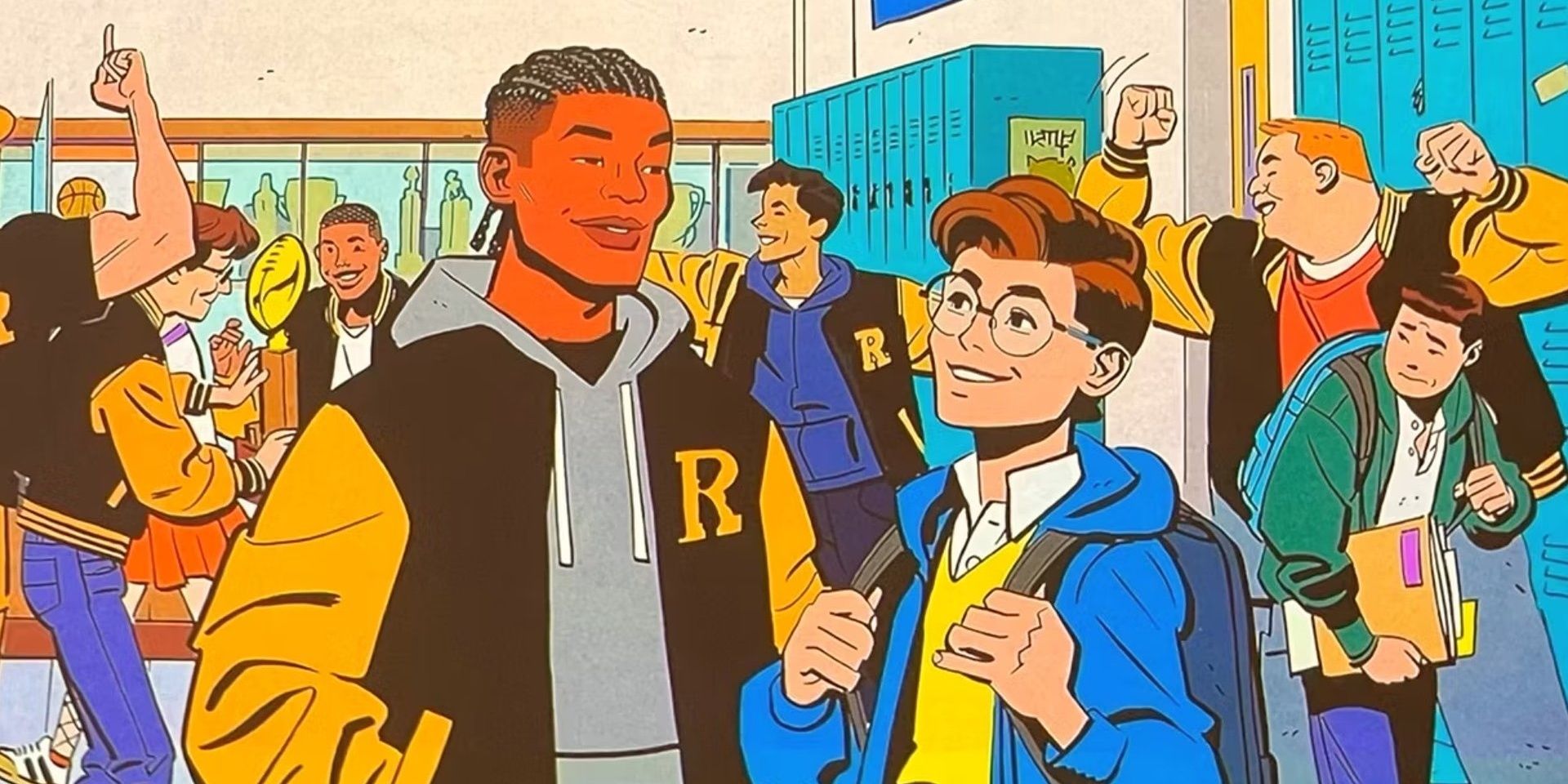
The show isn't just another cartoon for kids. It is a stylistic swing that aims to capture the specific, jittery energy of the 1960s Steve Ditko era. You know the look—thin lines, halftone dots, and a Peter Parker who looks like he’s actually struggling to pay for school supplies rather than managing a multi-million dollar nano-tech suit.
The MCU Timeline Twist You Need to Understand
Let's clear this up right now because the internet is constantly confused about where this show sits. It isn't a prequel to Homecoming. Initially, it was announced as Spider-Man: Freshman Year, and everyone assumed it was the "missing link" showing how Peter got bit before meeting Iron Man.
That changed.
Marvel Studios executive Brad Winderbaum eventually confirmed that this series takes place in an alternate reality. Think of it as a divergent path. In the main MCU, Peter meets Tony Stark. In Your Friendly Neighborhood Spider-Man, Peter’s life is interrupted by Norman Osborn instead. That one change ripples through everything. It allows the writers to use characters that the MCU movies haven't touched yet, or characters they used differently.
It's a clever move. By stepping outside the sacred timeline, the show avoids the "continuity handcuffs" that plague so many Marvel projects lately. They can kill people. They can introduce the Sinister Six early. They can make Peter’s life a living hell without worrying about how it affects Avengers: Doomsday.
Why the Art Style is Polarizing (But Necessary)
If you’ve seen the early footage or the promotional stills, you noticed it immediately. It looks... flat? No, that’s not the right word. It looks printed.
The animation team at Polygon Pictures is trying to mimic the actual texture of a 1960s comic book. This isn't the slick, 3D-adjacent look of What If...? or the high-budget cinematic flair of Spider-Man: Into the Spider-Verse. It’s intentional "lo-fi." Some fans hate it. They want high-definition fluidity. But honestly? The jittery, scratchy aesthetic fits a teenage Peter Parker perfectly.
The world is messy. His suit is often a bit lumpy. He’s a kid in Queens, not a super-soldier in a vacuum-sealed tactical outfit.
The color palette is also worth noting. It leans heavily into secondary colors—purples, greens, and oranges—which were the staples of early Marvel villains. It creates a visual cohesion that feels more like a moving comic book than any Spider-Man media we've seen since the 1994 animated series.
Who is Behind the Mask and the Mic?
Hudson Thames is voicing Peter Parker. If that name sounds familiar, it’s because he already did the voice in the "Zombies!" episode of What If...?. He has that perfect cracked-voice quality. He sounds like a kid who is trying to be brave but is secretly terrified that a giant rhino-man is about to step on him.
But the real meat of the cast is in the supporting roles:
- Colman Domingo as Norman Osborn. This is huge casting. Domingo is an Oscar-nominated powerhouse, and his Norman isn't a cackling goblin (yet). He’s a mentor. A benefactor. A man who Peter looks up to, which makes the inevitable betrayal so much heavier.
- Charlie Cox as Daredevil. Yes, the Man Without Fear is here. It’s the first time we’re seeing the MCU’s Daredevil in a true mentor-slash-teammate role in animation.
- Paul F. Tompkins as Bentley Wittman (The Wizard).
The inclusion of characters like Nico Minoru from The Runaways and Amadeus Cho shows that this series is digging deep into the Marvel roster. It isn't just the "Greatest Hits" of Spider-Man villains. It’s a wider look at the Marvel Universe through the lens of a high schooler.
Addressing the "Stark-ification" Critique
For a long time, the loudest complaint about the MCU Spidey was that he was "Iron Man Jr." He had an AI in his suit. He had a heater. He had a parachute.
Your Friendly Neighborhood Spider-Man strips all of that away.
Because Tony Stark isn't the mentor here, the tech is DIY. Peter has to build his own web-shooters from scraps. He has to sew his own masks. This brings back the "science nerd" aspect of the character that often gets sidelined in favor of "superhero action." In the comics, Peter’s intellect was his greatest weapon, but it was often hindered by his lack of resources. Watching him solve problems with chemistry and old radio parts is much more satisfying than watching him press a button on a Stark-tech gauntlet.
What Most People Get Wrong About the Villains
A lot of people think we’re getting the Green Goblin right away. We aren't.
The show is playing a long game. The villain roster includes names like Chameleon, Scorpion, Rhino, Tarantula, and Speed Demon. By populating the world with "lower-tier" villains first, the show builds the stakes naturally. It makes the world feel lived-in. In Queens, you don't always fight gods. Sometimes you fight a guy in a padded suit who’s trying to rob a bodega.
That’s the core of the Spider-Man appeal. It’s the scale. When Peter is fighting Thanos, the stakes are so high they almost become abstract. When Peter is trying to stop a robbery while also making sure he doesn't fail his chemistry mid-term, that’s relatable. Your Friendly Neighborhood Spider-Man leans into that friction.
The Production Hurdles
It hasn't been a smooth ride. The show was announced years ago. It’s faced delays, rumors of cancellation, and reports of massive creative overhauls. Jeff Trammell, the head writer, has been vocal about his love for the character, but the shifting landscape of Disney+ animation (and the strikes of 2023) definitely slowed things down.
There’s also the question of longevity. Marvel has already greenlit a second season (internally referred to as Sophomore Year), which suggests they have high confidence in the "alternate reality" hook. They want this to be a pillar of their animation wing, right alongside X-Men '97.
Why This Matters for the Future of Marvel
Let’s be real: Marvel fatigue is a thing. People are tired of needing to watch fifteen movies and three shows just to understand a single plot point.
The beauty of Your Friendly Neighborhood Spider-Man is its isolation. You don't need to know who the Eternals are. You don't need to know about the Multiverse Saga or the Quantum Realm. You just need to know that a kid got bit by a spider and is trying to do the right thing.
It is a gateway drug for new fans and a nostalgia trip for old ones. If Marvel can prove that they can tell compelling, standalone stories without the "required reading" aspect, they might just save their brand.
Actionable Steps for Fans and Collectors
If you're looking to get the most out of this new era of Spidey, don't just wait for the premiere.
- Read the Ditko Era: Pick up the Marvel Masterworks: The Amazing Spider-Man Vol. 1. The show’s visual DNA is pulled directly from these pages. Understanding the visual language of the 60s makes the show’s art style much more impressive.
- Track the Voice Cast: Watch Colman Domingo’s recent work in Rustin or Sing Sing. Knowing the caliber of actor behind Norman Osborn gives you a hint at how layered and intense that character’s arc is going to be.
- Ignore the "Canon" Noise: Don't get bogged down in YouTube videos trying to explain how this fits with Tom Holland’s Spider-Man 4. It doesn't. Enjoy it as its own universe. Treat it like a "What If" comic run that got a 10-episode budget.
- Check the Merch Slant: Keep an eye on the "Marvel Legends" figure releases. Often, the design of the action figures leaks before the show's final trailers, giving us the best look at the alternate suits Peter will be wearing.
The show represents a return to form by embracing what made the character a global icon in the first place: the struggle to be a good person when the world is constantly throwing bricks at your head. It’s messy, it’s colorful, and it’s finally, truly, local.
Queens is back. And it’s about time.
Key Takeaways for the Viewer
- Lower your expectations for "MCU Connections": This is a standalone universe.
- Appreciate the Art: It's a love letter to 1960s print media, not a modern CGI spectacle.
- Focus on the Mentorship: The Norman Osborn vs. Peter Parker dynamic is the emotional engine of the show.
- Watch for Cameos: Expect street-level heroes like Daredevil and Nico Minoru to play significant roles.



