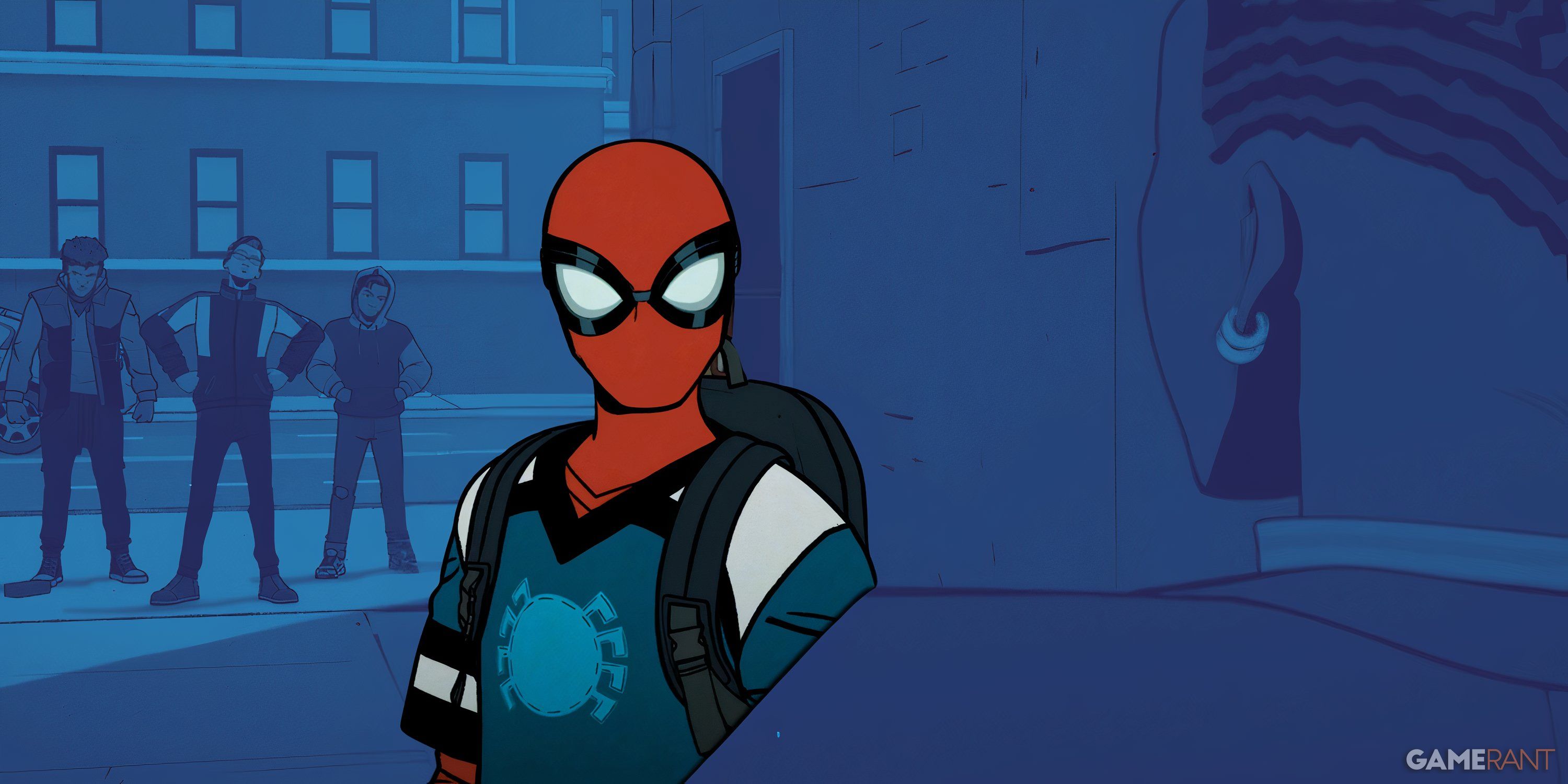
Marvel fans are tired of waiting. We’ve seen the concept art, we’ve heard the casting news about Charlie Cox returning as Daredevil, and we’ve watched the title change from Spider-Man: Freshman Year to the much wordier Your Friendly Neighborhood Spider-Man. But the one question that keeps popping up in every Reddit thread and Discord server is simple: how many episodes is Your Friendly Neighborhood Spider-Man actually going to have?
Honestly, the answer is more concrete than you might think, even if Marvel Studios likes to keep their cards close to their chest.
According to official production filings and statements from the creative team at Marvel Studios Animation, the first season of Your Friendly Neighborhood Spider-Man will consist of 10 episodes. This isn't just a random guess based on previous Disney+ shows. It’s a specific number that has been cited in US Copyright Office listings for the series. Unlike the live-action MCU shows that usually land at six or nine episodes, the animation side of the house seems to be sticking to a slightly longer format to give the story room to breathe.
Why 10 Episodes Matters for Peter Parker’s New Origin
The 10-episode count is a big deal. If you look at What If...? or X-Men '97, Marvel has found that animation works best when it isn't rushed. For Your Friendly Neighborhood Spider-Man, the show is taking us back to the very beginning. But it’s not the beginning you remember from the Tom Holland movies. This is an alternate timeline where Norman Osborn—not Tony Stark—becomes Peter Parker’s mentor.
Think about that for a second.
You need time to build that relationship. You can’t just have Norman show up in episode one and have him be a father figure by episode three. It would feel cheap. By having 10 episodes, Jeff Trammell (the head writer) has the space to explore Peter’s high school life in detail. We’re getting the "Great Responsibility" beat, but with a twist that fundamentally changes the DNA of the MCU as we know it.
Breaking Down the Seasonal Structure
While we know the first season is 10 episodes, there's a bit of a "wait, there's more" situation here. Marvel didn't just greenlight one batch. They’ve already been working on a second season, which was originally referred to as Sophomore Year.
It’s pretty clear that Marvel is looking at this as a long-term investment. They aren't just making a one-off miniseries. They are building a whole new animated universe that exists alongside the movies. Reports suggest that the second season will likely mirror the first in length. So, if you’re looking at the total project scope, we are likely looking at 20 episodes of Peter Parker’s early years across two distinct "years" of high school.
The Animation Style and Why It Might Limit Episode Counts
Some fans were hoping for a 22-episode run like the old Saturday morning cartoons. I get it. We all miss the days of Spider-Man: The Animated Series from the 90s where seasons felt endless. But look at the art style of this show.
It’s a specific, hand-drawn aesthetic inspired by the original Steve Ditko comics.
This kind of "cel-shaded" but intricate look is incredibly labor-intensive. You can't just churn out 20 episodes a year without the quality tanking or the animators losing their minds. By sticking to 10 episodes, the studio is prioritizing "human-quality" movement and vibrant colors over pure volume. It’s a trade-off. Do you want more episodes that look like generic flash animation, or fewer episodes that look like a comic book come to life? Most of us would pick the latter every single time.
What We Know About the Episode Content
The episodes aren't just going to be Peter fighting a "villain of the week." Well, they might have some of that, but the casting list tells a much bigger story. We have Nico Minoru from The Runaways, Lonnie Lincoln (Tombstone), and even Amadeus Cho.
Managing that many characters in a short span is tough.
If the show was only six episodes, half those characters would just be cameos. With a 10-episode order, Marvel can actually give Nico or Harry Osborn their own B-plots. It makes the world feel lived-in. It makes Peter’s neighborhood actually feel "friendly" and populated, rather than just a backdrop for fight scenes.
Is 10 Episodes Enough?
There is a valid concern that 10 episodes might still feel brief. Each episode is expected to be around 30 minutes. If you do the math, that’s roughly five hours of content. That’s longer than Spider-Man: No Way Home and Far From Home combined. When you frame it like that, 10 episodes feels like a massive win for fans who want to see the "boring" parts of Peter’s life—like doing homework or trying to keep his secret from Aunt May—that the movies usually skip over.
Addressing the Release Schedule Rumors
There’s been a lot of chatter about whether these 10 episodes will drop all at once or weekly. Disney+ has been experimenting. Echo dropped all at once, while X-Men '97 was a weekly event that practically owned the internet every Wednesday morning.
Given the hype around the Spider-Man brand, a weekly release is almost guaranteed.
This means the "10 episodes" conversation will actually last for two and a half months. It creates a cultural moment. People can theorize about Norman Osborn’s true intentions or hunt for Easter eggs in the background of Peter’s bedroom. If they dumped all 10 episodes on a Friday, the conversation would be over by Monday. Marvel knows this. They want this show to be the centerpiece of their animation pillar.
The Reality of Production Delays
It would be dishonest not to mention that the road to these 10 episodes has been bumpy. The show was announced years ago. We’ve sat through strikes, studio reshuffling, and rumors of cancellation. The fact that we are still getting a full 10-episode first season is actually a testament to how much Marvel believes in this specific vision.
The production was hit by the same industry-wide slowdowns that affected everything else, but the episode count remained stable. They didn't cut the season in half to save money. They kept the narrative integrity intact. That’s a good sign for the quality of the writing.
Final Tally and Expectations
So, to recap the numbers you need to remember:
- Season 1: 10 Episodes.
- Season 2 (Sophomore Year): Expected 10 Episodes.
- Runtime: Approximately 30 minutes per episode.
- Total Initial Order: 20 episodes across two seasons.
This structure allows for a very specific type of storytelling. It’s a "slow burn" compared to the frantic pace of the MCU films. You get to see Peter fail. You get to see him learn. You get to see him build his first web-shooters out of junk.
Actionable Insights for Fans
If you're planning to dive into Your Friendly Neighborhood Spider-Man, you should prepare for a version of Peter Parker that is untethered from the "Iron Man Jr." complaints of the past. Even though Norman Osborn is the mentor, the 10-episode format suggests a heavy focus on Peter's own ingenuity and his local community in Queens.
To get the most out of the series, keep an eye on these specific details when it finally hits Disney+:
- Watch the Backgrounds: The Ditko-inspired art is packed with references to 1960s Marvel lore that 10 episodes provide plenty of room to hide.
- Track the Timeline: Since this is a "multiverse" story (officially taking place in a branch of the MCU), look for the specific moment where Peter's life diverged from the one we saw in Captain America: Civil War.
- Note the Supporting Cast: With 10 episodes, characters like Lonnie Lincoln aren't just there for a punch-up; they likely have long-term arcs that will pay off in the confirmed second season.
The wait for Peter's animated return has been long, but a 10-episode debut ensures that we aren't just getting a glorified movie—we're getting a deep, serialized look at the world's most relatable superhero.



