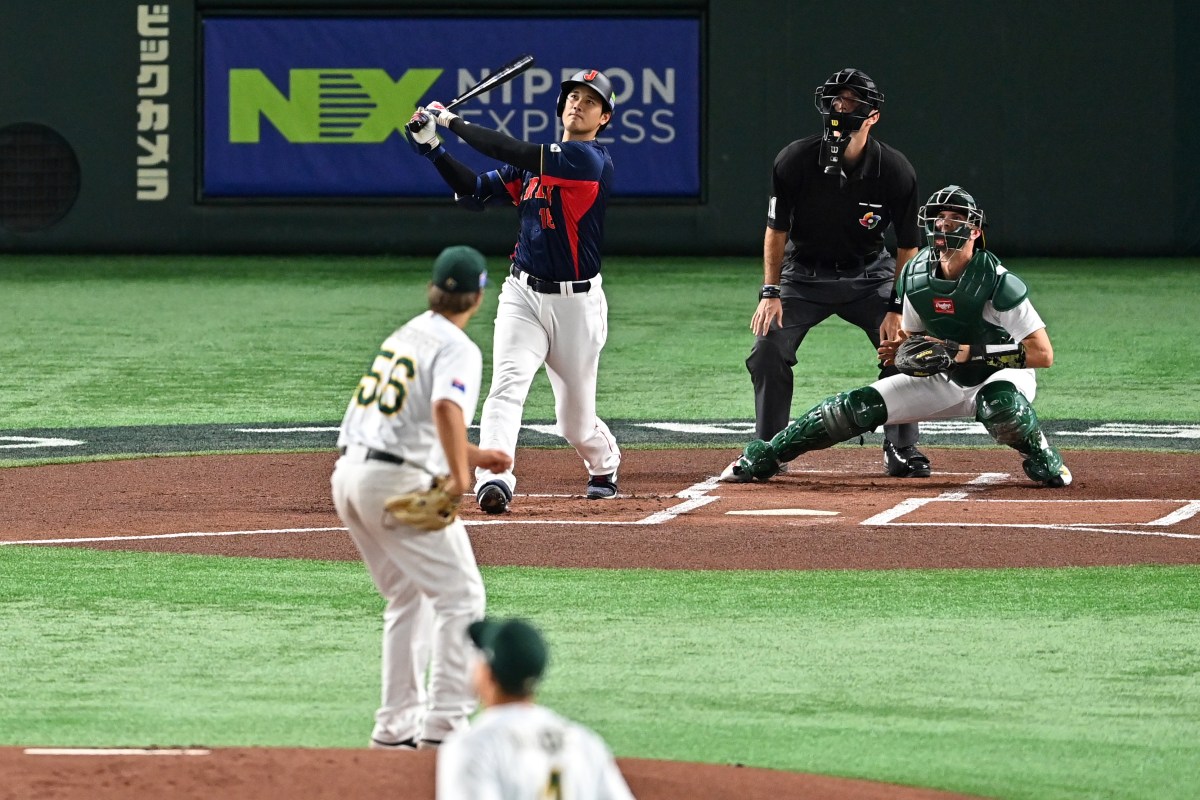
You’re sitting in the bleachers, mid-conversation, maybe nursing a lukewarm soda, when you hear that specific, hollow crack. You don't even have time to stand up before the white speck is screaming toward your section. Pure instinct takes over. You reach out, skin meets cowhide, and suddenly you’re holding it. A first home run ball. Maybe it’s a rookie’s first career blast, or maybe it’s just the first one of the game. Regardless, your adrenaline is redlining.
But then the dust settles. What now?
Most fans think they’ve just hit the lottery. Sometimes they have. Usually, they haven't. Honestly, the etiquette and the secondary market for these things are way more complicated than most people realize. If you're holding a ball that a player needs for their personal trophy case—like a career-first—you're basically holding a piece of their soul. It’s a weird, high-stakes negotiation that happens in the aisles of a stadium while security guards hover nearby.
The Reality of the Rookie Milestone
When a player hits their very first Major League home run, that ball is a relic. It’s the culmination of twenty years of bus rides, wooden bats, and prayer. For the fan who catches it, the situation gets real very quickly. Usually, within two innings, a member of the stadium’s "Authentics" team or a security supervisor will find you.
They don't want to steal it. They want to trade.
Take the case of Elly De La Cruz. When he smashed his first career homer for the Reds, the fans who caught it didn't play hardball. They met him, got some signed gear, and handed over the prize. It’s a gesture of goodwill. But you aren't legally required to give it back. Once that ball clears the fence and lands in your lap, it is legally your property. This was famously established during the litigation over Barry Bonds’ 73rd home run ball. If you caught it cleanly, it's yours to sell, keep, or use as a very expensive dog toy.
Authentication is Everything
If you decide to keep the first home run ball of the game or a player's career, you better stay put. The second you walk out those stadium gates without an MLB hologram sticker, the value of that ball drops by about 90%. Why? Because the league won't vouch for it later.
MLB has authenticators at every game—often former law enforcement officers—who sit near the field. Their job is to witness the play, track the ball, and apply a tamper-evident hologram. If you have a ball without that silver sticker, it’s just a "story ball." Collectors hate story balls. They want proof. If security approaches you to trade, and you decline, you should still politely ask if the authenticator can verify the ball for you. Sometimes they will, sometimes they won't. It’s a bit of a gray area.
What is a First Home Run Ball Actually Worth?
Price is a fickle beast. If we're talking about a random veteran hitting the first home run of a Tuesday night game in May, you're looking at the price of a nice dinner. Maybe $100 to $200 on eBay if you're lucky.
But if it's a "first" in terms of a career milestone? That's a different world.
- The Hype Factor: A first HR ball from a guy like Jackson Holliday or Victor Wembanyama (if he played baseball) would fetch thousands.
- The Team: A Yankees or Dodgers rookie milestone usually carries a "big market premium."
- The Drama: Did it win the game? Was it a grand slam?
Think back to Albert Pujols. When he was chasing 700, every "first" home run of those final games was worth a mint. But a career-first for a guy who gets designated for assignment two weeks later? It’s basically worth the $20 cost of the Rawlings leather. You're gambling on the player's future.
The Ethics of the Trade
Some fans feel like jerks if they don't give the ball back for free. Look, baseball is a business. The player is likely making hundreds of thousands, if not millions. You? You're paying $15 for a beer. There is zero shame in asking for a fair trade.
Common "trade packages" for a significant first home run ball include:
- A signed bat and two signed balls.
- A meet-and-greet with the player after the game.
- Upgraded tickets for a future home stand.
- Signed jerseys for the whole family.
Usually, the team will offer a "standard package." If you want more, you have to be ready to walk away. But don't be the person who asks for $50,000 for a rookie's first homer unless that rookie is the next Mike Trout. It makes you look bad, and the team will eventually just stop talking to you. It's a vibe check as much as a business deal.
The Tax Man Cometh
Here is the part nobody talks about: taxes. If you sell a high-value home run ball at an auction house like Goldin or Heritage, the IRS is going to want their cut. It’s considered a capital gain. Even if you trade it for a bunch of signed memorabilia, technically, that "barter" has a fair market value. Most people ignore this for a few signed balls, but if you're trading a historic home run ball for a season ticket package worth $10,000, you might want to call an accountant.
Pro Tips for the Bleacher Creatures
If you’re heading to the park specifically to snag a first home run ball, location is the only thing that matters. Check the spray charts on Baseball Savant. See where the opposing team's power hitters tend to pull the ball.
Bring a glove. Seriously. It’s not just for kids. A Major League home run can come off the bat at 110 mph. That will break your fingers. If you catch it with your bare hands, you're a legend, but you're probably a legend with a fracture.
Also, keep your phone off. Don't be the person trying to film the moment who misses the catch because they were looking at a screen. Experience the game. The ball will find you if it's meant to.
Steps to Take Right After the Catch
If the ball hits your palm, do these three things immediately:
- Don't wipe it. People try to rub the dirt or scuffs off. Stop. That "game use" is what collectors want to see. The grass stains and stadium mud are proof of life.
- Find an usher. Ask where the authenticator is. Even if you aren't sure if the ball is "special," getting it looked at immediately is your best bet for retaining value.
- Keep your cool. Security will come. Be polite. Know what you want (a photo, a signed bat, etc.) before they even open their mouths.
The Long Game
Collecting is about stories. If you keep the first home run ball from a game you attended with your dad or your daughter, the "value" is infinite. It’s a piece of your own history. If you're trying to flip it for profit, you're playing a high-volatility game. Most rookies don't become Hall of Famers. Most home run balls end up in a drawer, forgotten.
But for that one moment? When the stadium is screaming and the ball is tucked in your pocket? You’re the center of the baseball universe.
Next Steps for the Lucky Fan:
- Verify the Play: Check the official box score on MLB.com to confirm the exact inning, pitcher, and exit velocity for your records.
- Secure the Goods: Purchase a UV-protected acrylic display case. Sunlight is the silent killer of baseball signatures and leather.
- Research the Market: Look up "sold" listings on eBay for similar caliber players to see what the current market appetite looks like before talking to any auction houses.