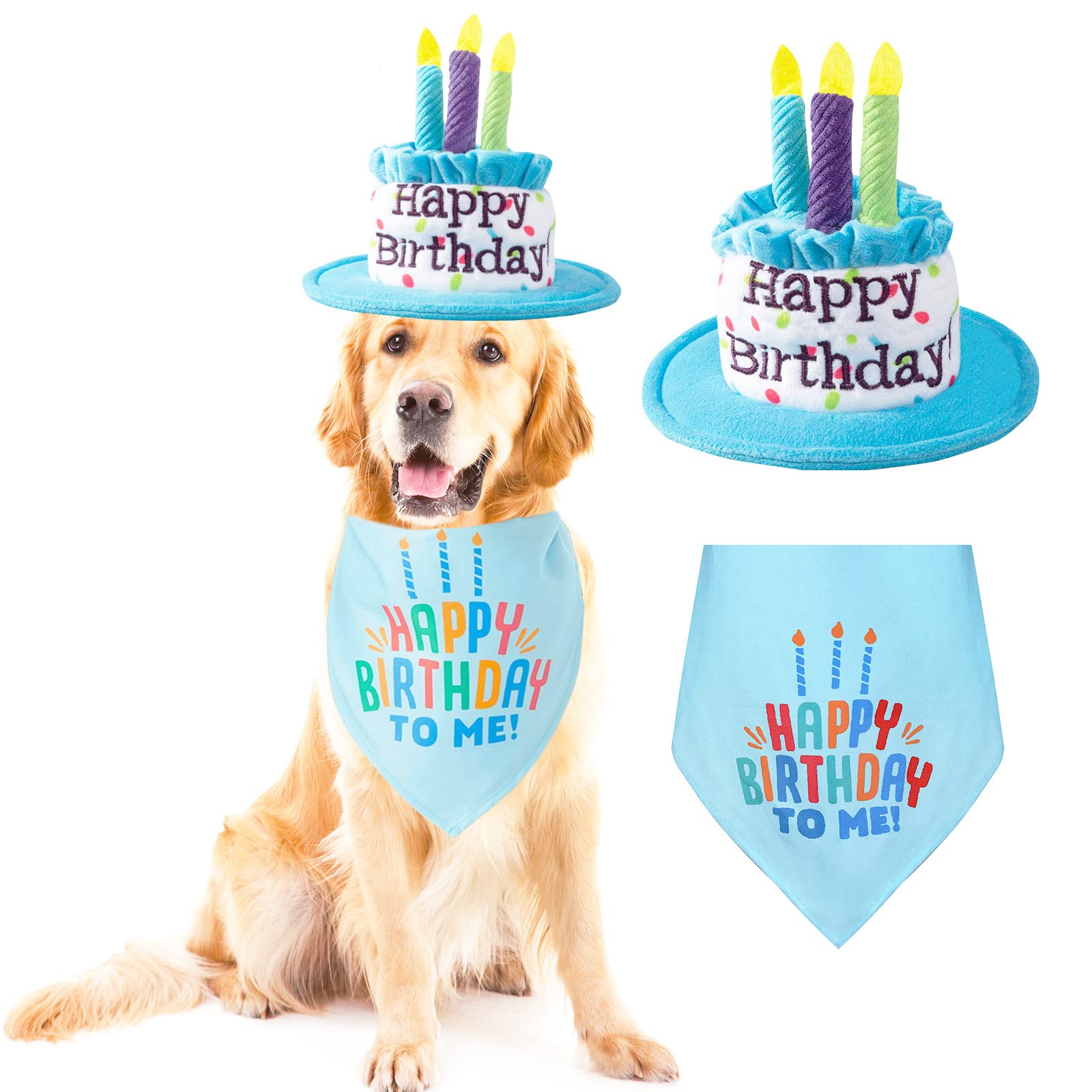
Let's be real. We've all seen that one photo of a golden retriever looking absolutely miserable under a cardboard cone, one eye squeezed shut because the elastic is too tight. It’s supposed to be a celebration. Instead, it looks like a canine hostage situation. Putting a dog in a birthday hat seems like the easiest thing in the world until you actually try to do it with a creature that treats any head-mounted accessory like a personal affront to their dignity.
Dogs don’t understand birthdays. They understand cheese. They understand the "W" word. But the concept of an annual milestone marked by a polyester triangle? Not so much.
If you’re planning a "gotcha day" or a birthday bash, you’re likely aiming for that perfect Instagram shot. But there's a massive gap between the curated Pinterest aesthetic and the reality of a Frenchie shaking a hat off at 40 miles per hour. Achieving the look requires more than just a trip to the party store. It requires an understanding of canine desensitization, safety, and—honestly—a lot of high-value treats.
Why the Dog in a Birthday Hat Look Usually Goes Wrong
The biggest mistake? Speed. Most owners buy a hat five minutes before the party, shove it on the dog’s head, and start screaming "Stay!" while waving a phone. This is a recipe for a "whale eye" photo. Whale eye is when the whites of a dog's eyes show, signaling stress or anxiety. If your dog looks like they’re bracing for impact, the hat isn't cute. It’s a stressor.
Professional pet photographers like Kaylee Greer of Dog Breath Photography often suggest that the gear matters as much as the temperament. Most cheap party store hats use thin, sharp elastic. This snaps against the chin or pinches the skin under the ears. It’s uncomfortable. If it’s uncomfortable, the dog will paw at it. If they paw at it, the hat rips. You’re left with a shredded piece of glittery cardstock and a grumpy pet.
Materials matter. Look for felt. Look for adjustable toggles. These small details change the entire experience for the animal.
The Psychology of Head Sensitivity
Some dogs are "head shy." This isn't just a personality quirk; it’s an evolutionary trait. Having something obstruct their vision or put pressure on the crown of their head can feel threatening. According to behaviorists at the American Kennel Club, many dogs have a natural aversion to being touched or covered on the top of their skull.
You have to desensitize. Start by just showing them the hat. Give them a piece of chicken. Put the hat on the floor. More chicken. Touch the hat to their shoulder. Chicken. This process, known as counter-conditioning, replaces the fear of the "scary head-thing" with the anticipation of a snack. Eventually, the dog in a birthday hat isn't a stressed-out animal; they're a dog waiting for their paycheck.
Choosing the Right Style for Different Breeds
Size isn't the only factor. Head shape—or "cephalic index"—is everything.
- Brachycephalic Breeds (Pugs, Bulldogs): These guys have wide, flat heads and almost no bridge on their nose. Traditional cones slide right off the front. For these breeds, a crown with a wide base or a "mini hat" that sits between the ears is often more stable.
- Dolichocephalic Breeds (Greyhounds, Salukis): Narrow, long heads. A standard hat might look like a tiny thimble on them. They usually handle snoods or "party headbands" better than a vertical cone.
- Long-Eared Breeds (Bassets, Spaniels): The elastic is the enemy here. You don’t want to pin those heavy ears down. It’s painful and can actually cause hematomas if the dog shakes violently.
Honestly, sometimes the best birthday hat isn't a hat at all. A festive bandana or a flower collar can communicate the "party" vibe without the sensory overload of a chin strap. But if you're dead set on the cone, go for the "micro-hat" trend. These are about two inches tall and weigh almost nothing. They’re much easier for a dog to ignore.
Safety Concerns People Ignore
We need to talk about the "choking hazard" elephant in the room.
Most birthday hats are decorated with pom-poms, sequins, or plastic beads. These are precisely the things a dog wants to chew on once the hat inevitably falls off. If your dog is a "shredder," a sequined hat is a trip to the emergency vet waiting to happen. Intestinal blockages from swallowed craft supplies are no joke.
Never leave a dog unattended in a hat. Not for thirty seconds. Not to go get the cake from the kitchen.
There's also the "entanglement" factor. If the elastic is too loose, the dog can get a paw caught in the strap while trying to remove it. This leads to panicking, thrashing, and potential injury. The goal is a "two-finger" fit—you should be able to snugly fit two fingers under the strap, just like a collar.
The Lighting Secret for the Perfect Shot
Natural light is your best friend. If you use a flash, you’re going to get "demon eyes" (tapetum lucidum reflection) and likely scare the dog. Position your dog in a birthday hat near a large window or glass door.
Pro tip: Have a second person hold the treat right above the camera lens. This forces the dog to look directly at the "eye" of the phone or camera.
Don't hold the treat too far back, or the dog will look at the person, not the lens. You want that soulful, "it's my birthday" gaze. If the dog is sitting, get down on their level. Shooting from a human’s standing height makes the dog look small and compressed. Getting on the floor creates a much more intimate, professional-looking portrait.
DIY vs. Store-Bought: What Actually Lasts?
If you're crafty, making a custom hat is actually better for the dog. Why? Because you can tailor the weight.
Most store-bought hats use heavy glitter cardstock. It’s stiff. If you use soft craft felt and a base of lightweight foam, the hat molds to the dog's head. It’s less likely to wobble. Wobbling is what causes dogs to shake.
Steps for a Dog-Friendly DIY Hat:
- Cut a semi-circle out of soft felt.
- Roll it into a cone and use fabric glue (not hot glue, which can be lumpy and uncomfortable).
- Use soft, wide elastic or even a piece of t-shirt yarn for the strap.
- Skip the heavy bells and large plastic gems.
If you're buying, brands like Petco’s "Bootique" or various artisan shops on Etsy offer hats with adjustable sliders. These sliders are a game changer. They allow you to tighten the hat without tying knots in the elastic, making the removal process much faster if the dog gets fed up.
Dealing with "Hat Refusal"
What if your dog absolutely hates it? Some dogs just won't do it. And that's okay.
Forcing a dog into a costume can damage their trust in you, especially if you’re ignoring their "cutoff signals." These signals include licking their lips, turning their head away, or yawning. If your dog is doing this, take the hat off.
You can try "the hat on the side" trick. Instead of placing it squarely on the head, let it hang off one ear or sit on their back while they're lying down. It still looks festive, but it’s far less intrusive.
Actually, the most successful birthday photos often don't involve a hat on the head at all. A hat sitting on the floor next to a dog and a "pupcake" tells the same story without the stress.
Actionable Steps for a Stress-Free Birthday Photo
To get that iconic shot without the drama, follow this timeline. It's not about the day of; it's about the prep.
- One week before: Buy the hat. Leave it near the dog's food bowl so they associate it with positive things.
- Three days before: Practice putting the hat on for three seconds at a time. Reward heavily with something high-value, like plain boiled chicken or small bits of cheese.
- The big day: Exercise the dog first. A tired dog is a compliant dog. A dog with "zoomies" will never stay still for a portrait.
- The setup: Clear the background. A cluttered living room ruins a great photo. A plain wall or a tidy backyard works best.
- The shot: Set your phone to "Burst Mode." This captures the split second between the dog looking at the treat and the dog trying to shake the hat off.
- The cleanup: Once the photo is done, remove the hat immediately. Don't make them wear it for the whole party. It's an accessory, not a uniform.
Focusing on the dog's comfort over the "perfect" image usually results in a better photo anyway. A relaxed dog has soft ears and a happy "smile." That's the version of your pet you'll want to remember years from now.
Stick to soft materials, respect the "whale eye," and always have the treats ready. Your dog might not know it’s their birthday, but they’ll definitely appreciate the extra attention and the lack of a pinching chin strap. Keep the sessions short, keep the vibes high, and you'll end up with a dog in a birthday hat photo that actually looks like a celebration.