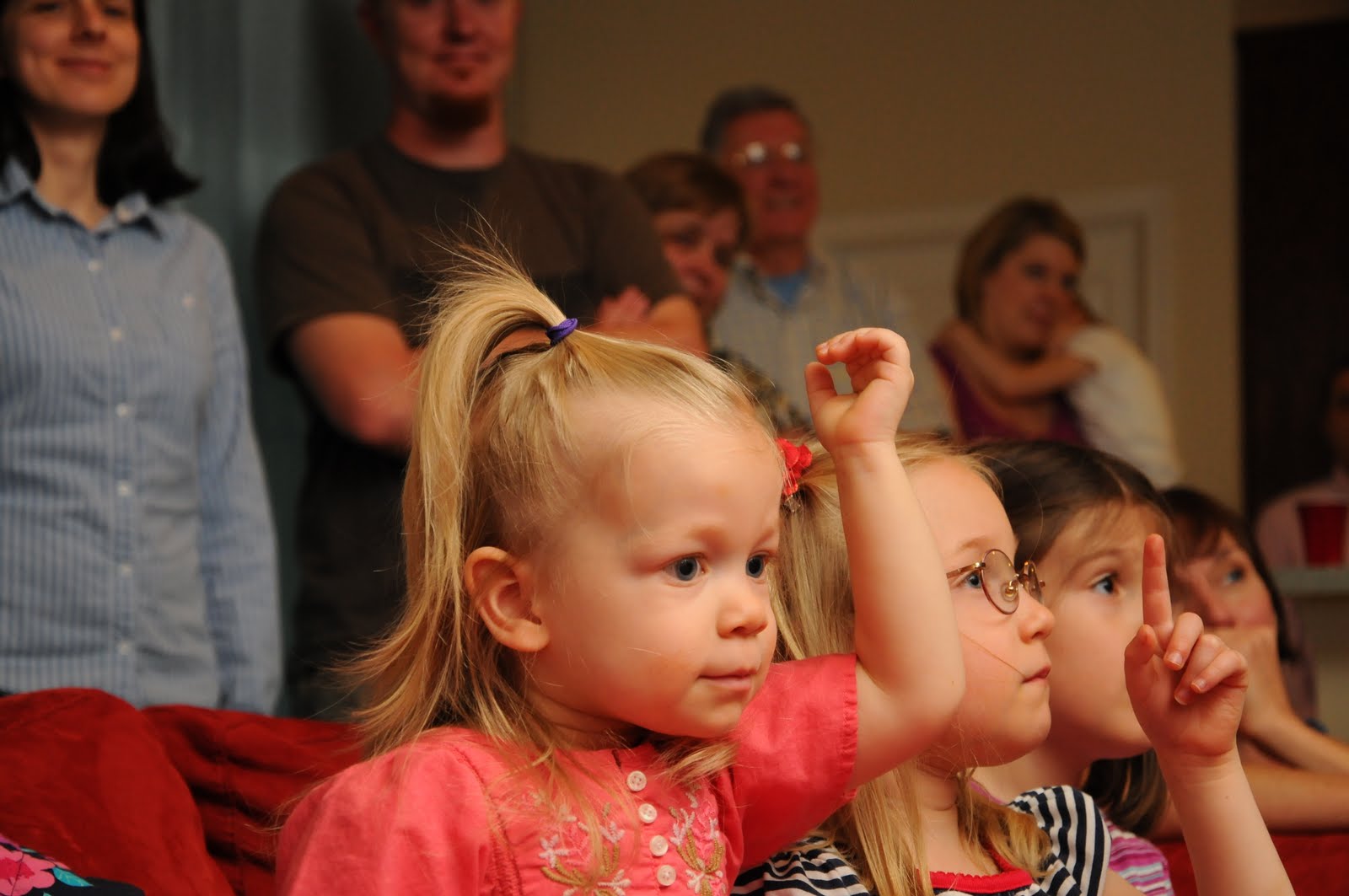
Six is a strange age. Honestly, it’s a bit of a bridge between the toddler magic of five and the much more independent world of seven. Most parents expect a continuation of preschool vibes, but then the "six-year-old change" hits. It's often called the 6-year-old transformation by developmental psychologists. They aren't just getting taller. Their brains are literally re-wiring.
If your 6 years old child is suddenly acting like a moody teenager one minute and a clingy baby the next, don't panic. You aren't doing it wrong. This is the stage where the prefrontal cortex—the part of the brain responsible for planning and impulse control—starts taking on more heavy lifting, but it’s still very glitchy. It's an awkward growth spurt for the mind.
The Physical Shift: Why 6 Years Old Is So Clumsy
You’ve probably noticed the teeth. This is the era of the "snaggletooth" smile. Most kids lose their first tooth right around their sixth birthday, often the lower central incisors. It's a rite of passage. But while the teeth are falling out, the rest of the body is stretching.
A 6 years old child typically grows about 2 to 3 inches in a single year. That’s a lot of new limb to account for. You’ll see them tripping over thin air or bumping into doorways they’ve walked through a thousand times. Their center of gravity is shifting. They are losing that "little kid" potbelly and thinning out into a more athletic, "big kid" frame.
According to the American Academy of Pediatrics (AAP), this is also when fine motor skills become remarkably more precise. We aren't just talking about scribbling anymore. A 6-year-old should be able to tie their shoes (with some struggle), use a fork and knife with decent success, and print most letters of the alphabet clearly. If they’re still struggling with holding a pencil, it might just be a lack of practice, or it could be a sign to check in with a teacher about grip strength.
The "First Grade" Cognitive Leap
School changes everything. In kindergarten, it’s a lot of play-based learning. First grade is where the rubber meets the road.
At 6 years old, children are expected to move from phonetic awareness—knowing that "B" says "ba"—to actually decoding sentences. It’s exhausting. Imagine if you had to spend seven hours a day learning a new language and doing math while trying to sit still in a hard plastic chair. You’d be cranky too.
Reading and Logic
Most 6-year-olds are in what Jean Piaget called the preoperational stage moving toward concrete operations. They are starting to understand that if you pour water from a short, wide glass into a tall, thin one, it’s still the same amount of water. That’s a huge mental milestone.
- They can follow 3-step commands (usually).
- They understand the concept of time (yesterday, today, tomorrow).
- They start to get "jokes," even if their own jokes make zero sense.
Expect a lot of "Why?" but not the toddler version. The 6-year-old "Why" is deeper. They want to know how the world actually works. "Why does the moon follow the car?" "Why do people die?" These are big, heavy questions that require honest, simple answers.
Emotional Rollercoasters and the "I Hate You" Phase
Let’s talk about the mood swings. There is a reason child development experts like Louise Bates Ames, co-author of the classic Your Six-Year-Old, describe this age as "expansive" and "oppositional."
At five, children often want to please adults. At six, they want to test their power. They are realizing they are a separate entity from you with their own will. This often manifests as defiance. You ask them to put on socks, and they look you dead in the eye and say "No." It’s not necessarily "bad" behavior; it’s an experiment in autonomy.
Social Dynamics and Friendships
Friendships at 6 years old become much more intense. This is when "best friends" start to matter. It’s also when "mean girl" or "tough guy" behaviors can emerge. They are learning the social hierarchy.
A 6-year-old is incredibly sensitive to criticism. If they feel they’ve failed or if a friend rejects them, the world is ending. Literally. They don't have the emotional regulation yet to realize that a playground tiff isn't a life-altering catastrophe. They need you to be their "calm center" when they are spinning out.
Nutrition and Sleep: The Fuel for the 6-Year-Old Brain
They need sleep. A lot of it.
The National Sleep Foundation recommends 9 to 12 hours for children this age. A 6 years old child who is getting 8 hours is basically a walking zombie. You’ll see it in their behavior—more tantrums, less focus, and "emotional fragility."
Food also becomes a battleground. Many kids hit a picky phase here because they want control. Instead of fighting over broccoli, give them choices. "Do you want carrots or cucumbers?" It gives them the illusion of power while you still get nutrients into them.
Screen Time and the Digital 6-Year-Old
In 2026, it’s impossible to ignore the iPad in the room. Most 6-year-olds are digital natives. They can navigate YouTube better than their grandparents.
The Mayo Clinic suggests limiting non-educational screen time, but let's be real: sometimes you need to cook dinner. The key at age six is "co-viewing." Talk to them about what they’re seeing. Ask them why the Minecraft character is building a house. This turns a passive activity into a cognitive one.
Beware of "brain rot" content—those high-speed, sensory-overload videos that make kids hyper-stimulated. If they come off a tablet and immediately start screaming, the content was too intense.
Actionable Steps for Parents of 6-Year-Olds
You can't "fix" the 6-year-old attitude, but you can manage it. It's about setting boundaries that feel like safety nets, not cages.
- Establish a "Special Time" routine. Just 10 minutes a day of 1-on-1 time where they lead the play. No phones, no corrections, no "don't do that." It builds the emotional bank account they’ll draw from when they’re having a meltdown later.
- Focus on effort, not results. Instead of saying "You’re so smart" when they read a word, say "I saw how hard you worked to sound that out." This builds a growth mindset.
- Create a visual schedule. 6-year-olds thrive on predictability but struggle with transitions. A chart showing "Breakfast -> School -> Park -> Bath" reduces the anxiety of the unknown.
- Let them fail small. If they want to wear mismatched shoes or a coat that’s too thin for a 50-degree day, let them (within reason). Natural consequences are the best teachers at this age.
- Practice "The Pause." When they yell or defy you, wait five seconds before responding. Your calm will eventually de-escalate their chaos.
The 6-year-old year is a whirlwind. It is the end of the "little kid" era and the beginning of the "big kid" journey. It’s loud, it’s messy, and it’s full of lost teeth and scraped knees, but it’s also the year they truly start to show you who they are going to become. Stay patient. This phase, like every other, is just a milestone on the way to something new.