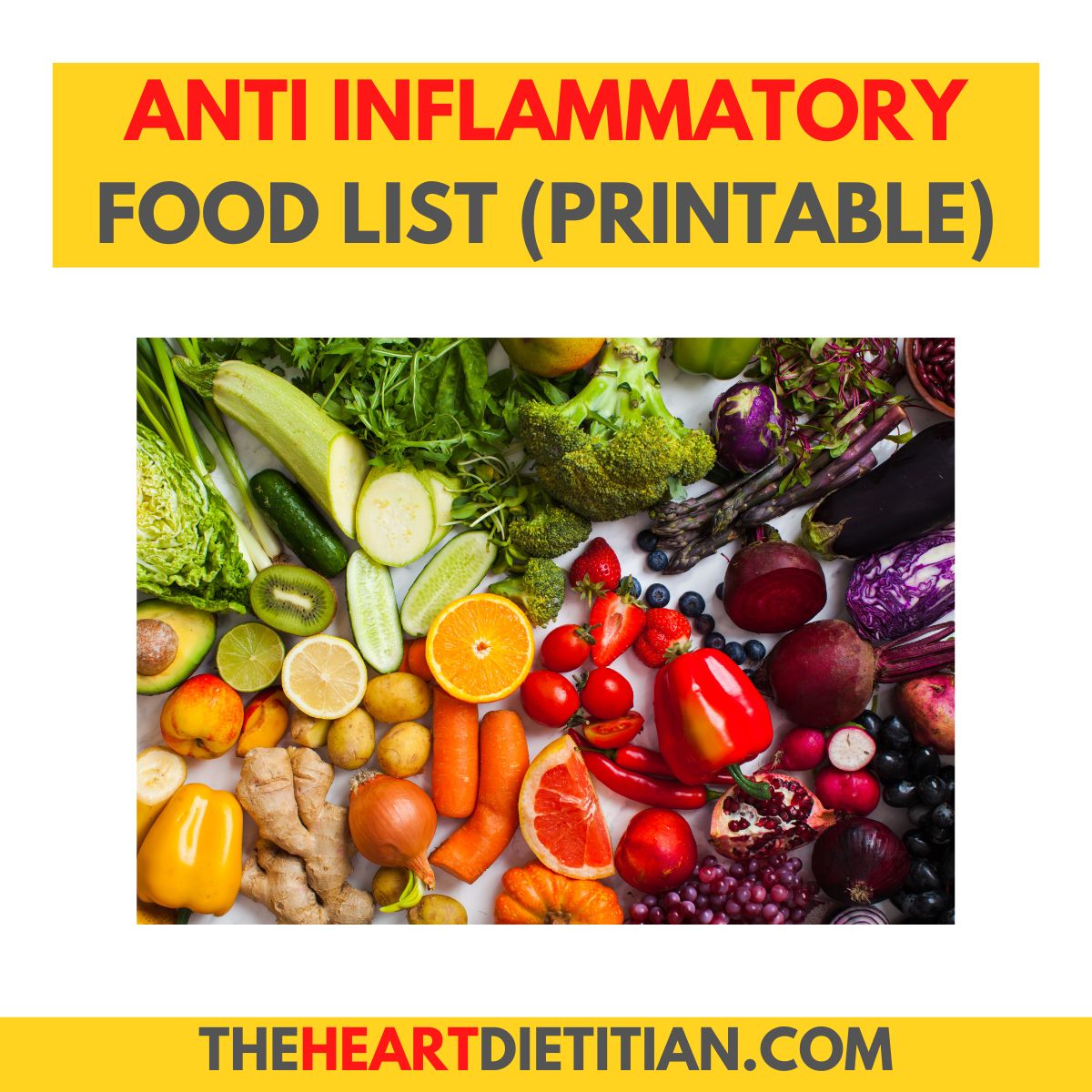
Inflammation is basically the body's smoke alarm. When you stub your toe or catch a nasty cold, your immune system rushes to the scene like a fleet of fire trucks, pumping out chemicals to fix the damage. That’s acute inflammation. It’s good. You want that. But then there’s the other kind—the slow-burn, "check engine light" version that never turns off. Doctors call it chronic systemic inflammation, and it’s been linked to everything from creaky joints to heart disease. Honestly, the most powerful tool to turn that alarm off isn't in a medicine cabinet. It’s in your grocery cart.
If you’re looking for a solid anti inflammatory food list, you’ve probably seen the same three things over and over: salmon, blueberries, and kale. They're great, sure. But eating the same three things is a recipe for boredom, and frankly, it misses the bigger picture of how nutrients actually interact with your cells.
Why Your Current Diet Might Be Pro-Inflammatory
We live in a world of "convenience" foods that are essentially biological triggers. It’s not just about the sugar, though that’s a huge part of it. It’s the ratio of fats. Most of us eat way too many Omega-6 fatty acids—found in soybean oil, corn oil, and processed snacks—and not nearly enough Omega-3s. This imbalance tells your body to stay in an "alert" state.
Think about it this way: if you're constantly pouring lighter fluid (processed sugars and refined oils) on a small flame, don't be surprised when your joints ache or your brain feels foggy.
The goal of a real-world anti inflammatory food list isn't to be a "detox." I hate that word. It’s about shifting the chemistry of your blood. Dr. Andrew Weil, a pioneer in integrative medicine, has long championed the idea that we can use food as a primary intervention. It’s not a "diet" in the restrictive sense; it’s more like an internal tune-up.
The Heavy Hitters: What to Actually Eat
Let’s get into the specifics. You need variety. You need colors. You need things that actually taste like food, not cardboard.
Fat is Not the Enemy
You’ve heard about fatty fish. Salmon, mackerel, sardines, and anchovies are the kings here. They are packed with EPA and DHA, two types of Omega-3s that literally inhibit the production of substances that cause inflammation.
But let’s talk about Extra Virgin Olive Oil (EVOO). It’s not just for salad. Real, high-quality olive oil contains a compound called oleocanthal. Research shows it has an effect remarkably similar to ibuprofen. Yeah, you read that right. It’s like a natural Advil hit in your vinaigrette.
- Walnuts: These are the only nuts with a significant amount of alpha-linolenic acid (ALA).
- Chia and Flax: Ground them up. Throw them in anything. They are tiny nutrient bombs.
- Avocados: They contain polyhydroxylated fatty alcohols (PFAs) which are rare in other land plants.
The Spice Cabinet Secret
If your food is bland, you’re missing out on the most potent anti-inflammatories on the planet. Turmeric is the celebrity here, thanks to curcumin. But here’s the kicker: curcumin is poorly absorbed by the body. You have to eat it with black pepper. The piperine in pepper boosts curcumin absorption by something like 2,000%.
Don't ignore ginger. It’s a cousin to turmeric and works on the same cellular pathways. Garlic, too. It contains diallyl sulfide, which limits the effects of pro-inflammatory cytokines. Basically, make your food smell amazing and your body will thank you.
Berries, Greens, and the Dark Chocolate "Loophole"
You don't need to eat a bucket of kale to feel better. Crucial vegetables like broccoli, Brussels sprouts, and cauliflower contain sulforaphane. This molecule blocks enzymes that cause joint destruction.
Berries are loaded with anthocyanins. These are the pigments that give them color, but in your body, they act as shields for your cells.
- Blueberries: High in quercetin.
- Strawberries: Great for C-reactive protein (CRP) reduction.
- Tart Cherries: Specifically known for helping with gout and muscle recovery.
And yes, dark chocolate. It has to be at least 70% cocoa—ideally 85%. The flavanols in cocoa keep the endothelial cells lining your arteries healthy. It’s a legitimate health food, provided you aren't eating the kind that's 50% sugar.
The Nuance: Why "Healthy" Foods Sometimes Fail
Here is something most "top 10" lists won't tell you: bio-individuality matters. Some people have sensitivities to nightshades (tomatoes, eggplant, peppers). While these are technically anti-inflammatory for most, for a small percentage of people with specific autoimmune triggers, they can actually cause a flare.
It’s also about how you cook. Grilling meat at super high temperatures creates advanced glycation end products (AGEs). These are highly inflammatory. If you're charring your "anti-inflammatory" salmon to a crisp, you're neutralizing half the benefits. Steaming, poaching, or low-heat sautéing is where the magic happens.
A Realistic Anti Inflammatory Food List for Your Week
Forget the "perfect" meal plan. It doesn't exist. Instead, try to crowd out the bad stuff with the good stuff.
Morning Options: Maybe try a bowl of steel-cut oats topped with hemp seeds and frozen raspberries. Or, if you're a savory person, eggs poached in a lot of spinach and topped with a heavy drizzle of olive oil.
Lunch Vibes: Think big bowls. A base of quinoa or farro, loaded with roasted beets, canned sardines (don't knock 'em until you try the high-end ones), and a lemon-tahini dressing.
Dinner Strategies: Stir-fries are your best friend if you use coconut oil or avocado oil instead of vegetable oil. Load up on bok choy, mushrooms (especially shiitake, which have immune-modulating beta-glucans), and ginger.
Snacks:
- A handful of almonds.
- An apple with almond butter.
- A piece of high-quality dark chocolate.
The Role of the Microbiome
We can't talk about inflammation without talking about the gut. About 70% of your immune system lives in your digestive tract. If your gut lining is "leaky," toxins escape into your bloodstream and trigger a massive inflammatory response.
Probiotic foods like kimchi, sauerkraut, and kombucha are essential. But you also need prebiotics—the fiber that feeds the good bugs. This means onions, leeks, and asparagus. If you aren't feeding your gut bacteria, they start eating the mucus lining of your stomach. That’s a bad day for everyone involved.
Hydration and What to Skip
Green tea is the gold standard here. It’s packed with EGCG (epigallocatechin-3-gallate). It’s one of the most studied anti-inflammatory compounds in existence. Drink it hot, drink it cold, just drink it.
On the flip side, you have to be honest about the "inflammatory triggers."
- Liquid Sugar: Soda is the fastest way to spike your insulin and trigger an inflammatory cascade.
- Trans Fats: Check labels for "partially hydrogenated oil." Just put it back on the shelf.
- Excessive Alcohol: A glass of red wine has resveratrol, sure, but three glasses is a pro-inflammatory nightmare for your liver.
Moving Beyond the Plate
Diet is the foundation, but it’s not the whole house. If you eat the perfect anti inflammatory food list but only sleep four hours a night and stay stressed 24/7, your cortisol levels will keep you inflamed anyway. Stress is a chemical signal. It tells your body there’s a threat, and the body responds with inflammation.
Movement matters, too. But keep it moderate. Intense, grueling workouts actually cause a temporary spike in inflammation. For recovery, you need those berries and that salmon we talked about.
Actionable Next Steps
Start by auditing your fats. Throw out the "vegetable oil" (which is usually just soy or corn oil) and get a bottle of high-quality Extra Virgin Olive Oil. This single swap changes the fatty acid profile of almost every meal you cook at home.
Next, pick one new spice this week. Buy a jar of turmeric or some fresh ginger root. Use it twice.
Don't try to overhaul your entire kitchen in twenty-four hours. That never works. Just aim for the "80/20 rule." If 80% of what you eat comes from this list of whole, colorful, nutrient-dense foods, your body can handle the 20% that’s just for fun.
Look for the "deep" colors. If your plate looks beige, you’re in trouble. If it looks like a box of crayons—deep greens, vibrant oranges, dark purples—you’re doing it right. Inflammation isn't something you "cure" once and forget about. It’s a balance you manage every time you pick up a fork.
Focus on the "Big Five" daily: a leafy green, a handful of berries, a healthy fat, a fermented food, and a potent spice. Do that for two weeks and see how your joints feel when you wake up in the morning. The difference is usually pretty surprising.
/i.s3.glbimg.com/v1/AUTH_08fbf48bc0524877943fe86e43087e7a/internal_photos/bs/2025/H/e/ewwgKCQCSopdUJUwy6DA/imagem-2025-04-27-114802986.png)


