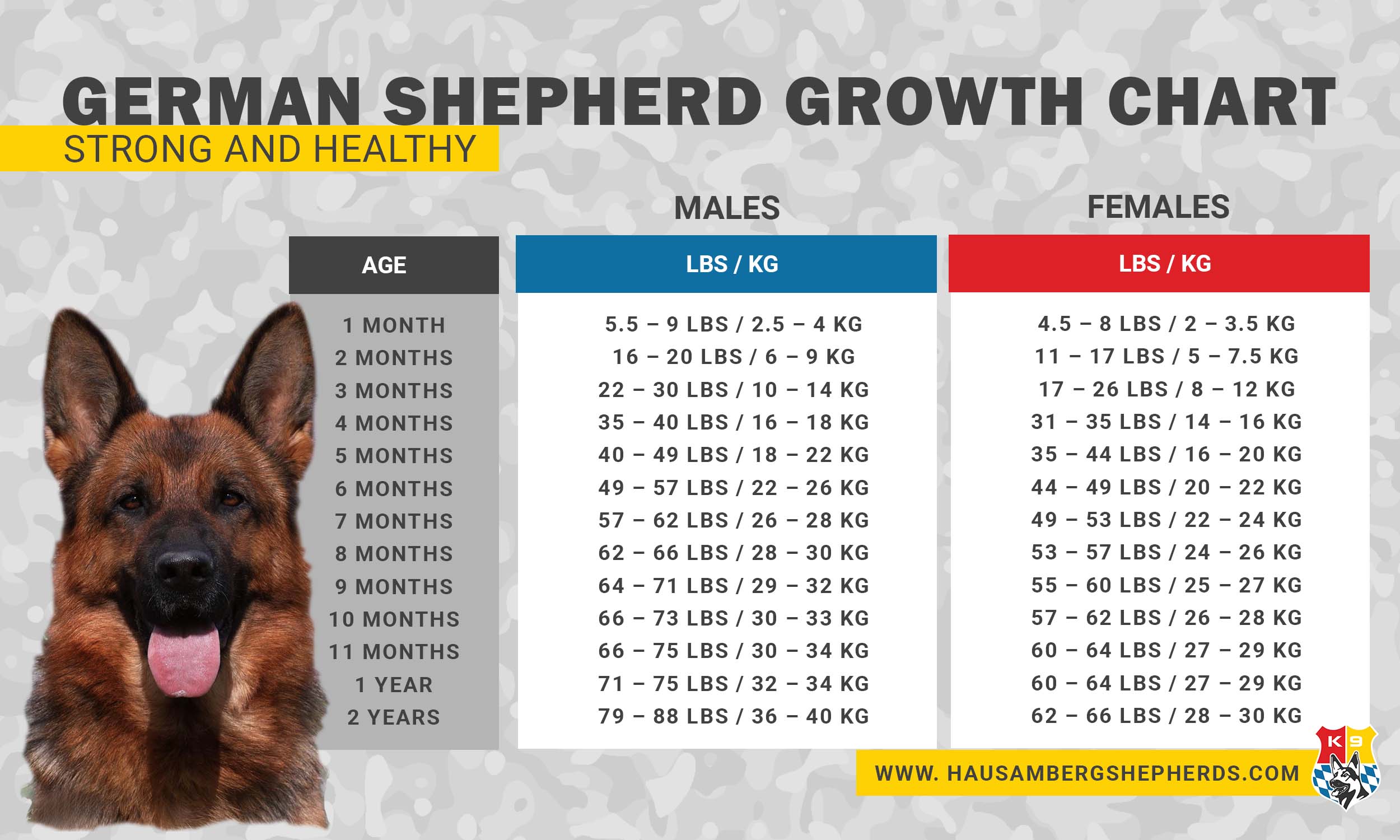
So, you just brought home a 2 month old German Shepherd puppy. Honestly? Your life is about to get chaotic, loud, and incredibly rewarding, all at the same time. This is that specific window—the eight-to-ten-week mark—where everything you do carries an outsized weight on who that dog becomes in two years. It’s a period defined by transition. They’ve just left their littermates, their mother, and the only world they’ve ever known. Now, they’re in your kitchen, probably peeing on the rug or trying to chew the corner of your baseboards.
Most people see a 2 month old German Shepherd puppy and think "adorable fluff-ball." Professional trainers look at them and see a "land shark" with a brain like a sponge.
The "Fear Period" Nobody Mentions
Right around eight weeks, these pups enter their first official fear period. It’s a biological survival mechanism. In the wild, this is when a puppy would start wandering from the den, and a healthy dose of suspicion kept them from getting eaten by a coyote. In your suburban living room, this means the vacuum cleaner is suddenly a soul-crushing monster. If you drop a metal bowl and it clangs, your pup might bolt.
Don't coddle them too much. If they get scared, stay calm. If you freak out and start cooing "It's okay, baby!" in a high-pitched frantic voice, you're actually confirming to their little dog brain that, yes, the vacuum is indeed a threat. Just be a boring, stable leader. Show them the "scary" thing doesn't bother you, and they'll eventually take their cues from your body language.
Why They’re Biting Everything (And Everyone)
A 2 month old German Shepherd puppy has 28 needle-sharp milk teeth. They don't have hands, so they use their mouths to "feel" the world. This isn't aggression. It’s exploration. However, German Shepherds (GSDs) are a herding breed with a high "prey drive." They love movement. If you run, they chase. If you wave your hands, they snap.
Check this out: Dr. Ian Dunbar, a world-renowned veterinarian and animal behaviorist, emphasizes "bite inhibition" above almost everything else at this age. You shouldn't just stop them from biting; you need to teach them how to use their mouth softly. If you just punish them for biting, they never learn the pressure of their own jaw. Then, if they ever nip out of fear as an adult, they won't know how to "pull their punches."
- When they bite too hard, let out a sharp "Ouch!"
- Stop playing immediately. Turn your back.
- After 15 seconds, offer a toy.
- If they bite the toy, praise them like they just won a Nobel Prize.
The Nutritional Reality Check
Feeding a large breed puppy isn't like feeding a Yorkie. If a 2 month old German Shepherd puppy grows too fast, they’re at a massive risk for hip and elbow dysplasia later in life. You want slow, steady growth. According to the Merck Veterinary Manual, large breed puppies need a specific calcium-to-phosphorus ratio to prevent skeletal deformities.
Basically, don't just grab the cheapest bag of "puppy food" at the grocery store. Look for "Large Breed Puppy" formulas. They have lower fat content to prevent rapid weight gain and specifically balanced minerals. You should be able to feel their ribs but not see them. If your pup starts looking like a little butterball, dial back the kibble. Their joints will thank you in five years.
Socialization Isn't Just "Meeting Dogs"
This is the biggest misconception out there. People think socializing a 2 month old German Shepherd puppy means going to a dog park. Do not do this. First of all, your puppy isn't fully vaccinated yet. Parvovirus is real, it’s deadly, and it lingers in the soil of public parks for years. Wait until they’ve had their full round of shots (usually around 16 weeks) before hitting the high-traffic dog spots.
Real socialization is about exposure to environments. Take them to a parking lot and sit in the back of your car. Let them watch carts go by. Let them hear a bus air brake. Let them see someone wearing a floppy hat or carrying an umbrella. The goal is a neutral reaction. You don't need them to run up to everyone; you just want them to see the world and think, "Meh, no big deal."
The Crate Training Struggle
The first three nights will be rough. Your 2 month old German Shepherd puppy is used to sleeping in a warm pile of siblings. Now they're alone in a plastic box. They will scream. It sounds like they're being murdered.
Put the crate in your bedroom. They need to smell you and know they aren't abandoned. You can even put a Snuggle Puppy (those stuffed toys with the ticking heartbeat) in there with them. It genuinely helps. Pro tip: Don't let them out while they are screaming. If you do, you just taught them that screaming equals freedom. Wait for a three-second gap of silence, then open the door.
Training Starts Today (But Keep It Short)
Their attention span is about as long as a TikTok video. Maybe shorter. You can't do a 30-minute training session. You'll both end up frustrated. Instead, do five sessions a day that last two minutes each. Focus on:
- Their Name: Say it, and when they look at you, give a treat.
- Sit: Capture the behavior naturally when they happen to sit.
- Recall: This is the "Come" command. Only use it when you are 100% sure they are coming to you, like at mealtime. Never call them to you to do something they hate, like taking a bath, or you'll ruin the command.
Housebreaking Without Losing Your Mind
A 2 month old German Shepherd puppy has a tiny bladder. Physically, they can only "hold it" for about two hours. The rule of thumb: Age in months = how many hours they can hold it. At two months? Two hours. Max.
You need a schedule. Out after eating. Out after sleeping. Out after playing. If they are awake and moving, they probably need to pee. If you catch them in the act, a firm "No" and an immediate trip outside is enough. Cleaning the spot with an enzymatic cleaner like Nature’s Miracle is non-negotiable. If it still smells like pee to them (even if you can't smell it), they will use that spot again. It's like a neon "Restroom" sign for dogs.
Exercise: How Much is Too Much?
You’ll see people jogging with their GSDs. Do not do this with a puppy. Their growth plates haven't closed. Forced exercise on hard pavement can cause permanent damage to their structure.
Let them play in the grass. Let them tumble around. But avoid long, forced hikes or jumping off high surfaces. Mental stimulation is actually more tiring for a 2 month old German Shepherd puppy than physical exercise. Ten minutes of sniffing out treats hidden in a towel will tire them out more than a mile-long walk.
The Vet Schedule
By eight weeks, they should have had their first round of DHPP (Distemper, Hepatitis, Parainfluenza, and Parvovirus). You’ll be back at the vet at 12 weeks and 16 weeks.
Talk to your vet about heartworm and flea prevention immediately. Depending on where you live, ticks can be a nightmare for a thick-coated GSD. Also, start handling their paws, ears, and mouth now. If you get them used to you poking around their teeth and clipping their nails at two months, your vet will love you when the dog is an 80-pound adult.
Common Health Red Flags
Keep an eye on their stool. Puppies are magnets for internal parasites like roundworms or Giardia. If you see "rice-like" bits in their poop or if it’s consistently runny, get a fecal sample to the vet. Dehydration happens fast in small puppies.
Also, watch for lethargy. A 2 month old German Shepherd puppy sleeps a lot—like 18 to 20 hours a day—but when they are awake, they should be bright-eyed and curious. If they seem "flat" or refuse a high-value treat, something is wrong.
Actionable Next Steps for New Owners
- Establish a "Safe Zone": Set up an exercise pen or a puppy-proofed room where they can be safe when you aren't staring directly at them.
- Buy Quality Chew Toys: Get a variety of textures—rubber (Kongs), nylon, and soft plush. This saves your furniture.
- Find a Puppy Class: Look for a "Puppy Kindergarten" that focuses on positive reinforcement and controlled socialization. This is worth its weight in gold.
- Start Grooming Training: Brush them for two minutes a day. Not because they have much hair to shed yet, but to desensitize them to the brush before the "German Shedder" phase begins.
- Document Everything: They grow at a terrifying speed. Take a photo next to the same object every week. You’ll be shocked at the difference between week eight and week twelve.
Owning a German Shepherd is a commitment to a "working" breed. They need a job. Right now, at two months old, their "job" is learning how to live in a human world without eating the drywall. Be patient, stay consistent, and remember that the biting phase is temporary, even if it feels like you're living with a tiny, fuzzy shark.



