Walk into a standard ranch from 1974 and you’ll likely hit a wall. Literally. It’s usually a load-bearing wall separating a cramped, avocado-green kitchen from a dark living room where the shag carpet has seen better days. These houses were the peak of suburban efficiency back then, but today? They feel like living in a series of disconnected, dimly lit boxes. Embarking on a 1970's ranch style home remodel is basically a rite of passage for first-time buyers or flippers now. Why? Because the "bones" are usually incredible. We’re talking Douglas fir framing, solid foundations, and footprints that actually make sense for modern life once you move a few things around.
The trick isn’t just painting the oak cabinets white. That’s a band-aid. A real renovation involves understanding why these houses were built the way they were—mass-produced for the Boomer expansion—and how to inject some soul back into the drywall.
The Open Concept Trap and What to Do Instead
Everyone says "knock down the walls." It’s the first thing you hear. But honestly, if you rip out every interior partition in a 1,500-square-foot ranch, you end up living in a bowling alley. It's loud. You can hear the dishwasher while you're trying to watch a movie.
Instead of going full "open concept," smart designers are leaning into what they call "broken plan" living. This means you might take down the wall between the kitchen and dining room, but you keep a double-sided fireplace or a set of interior glass-and-steel windows to define the spaces. It keeps the light flowing—a huge issue in 70s builds—without making the house feel like a giant gymnasium.
You’ve gotta check the basement or crawlspace first, though. If you’re pulling a wall that runs perpendicular to your ceiling joists, you’re looking at a structural beam. In many 1970s ranches, the attic space is tight, so burying a flush beam to keep a flat ceiling can be a nightmare. It’s often cheaper and looks cooler to leave a "dropped" header or use a reclaimed wood beam to hide the support. It adds character to a house that was originally built with zero architectural flair.
That Sunken Living Room Situation
The "conversation pit" or sunken living room is the hallmark of the era. Some people hate them. They’re trip hazards. They make furniture placement a total headache. But before you call the concrete truck to fill it in, think about the cost. Filling a sunken room requires a lot of structural prep to ensure the new slab doesn't crack or pull away from the old one.
Many homeowners are actually leaning into the quirk. By updating the flooring to a wide-plank European oak and replacing the old spindly railings with something minimalist—think custom blackened steel or even thick glass—that "dated" feature becomes a high-end architectural statement. It creates a natural zone for lounging that doesn't need walls.
Lighting: The 1970s Greatest Enemy
These houses were built with "switched outlets" instead of overhead lighting. You walk into a room, flip a switch, and a lamp in the corner turns on. It’s depressing. During a 1970's ranch style home remodel, your electrical budget should probably be higher than your flooring budget.
You need layers. Recessed cans are the baseline, but please, don't overdo them. You don't want your ceiling looking like Swiss cheese. Use 4-inch LED trim kits with a warm color temperature—around 2700K to 3000K. Then, add the "jewelry." Sconces in the hallways, a statement pendant over the island, and under-cabinet lighting in the kitchen. It changes the entire vibe of the house from "cheap rental" to "custom home."
The Exterior: Curb Appeal Beyond the "T-111" Siding
If your ranch has that vertical plywood siding (T-111), it’s probably rotting at the bottom where it meets the splash zone. It’s a classic 70s look, and not in a good way.
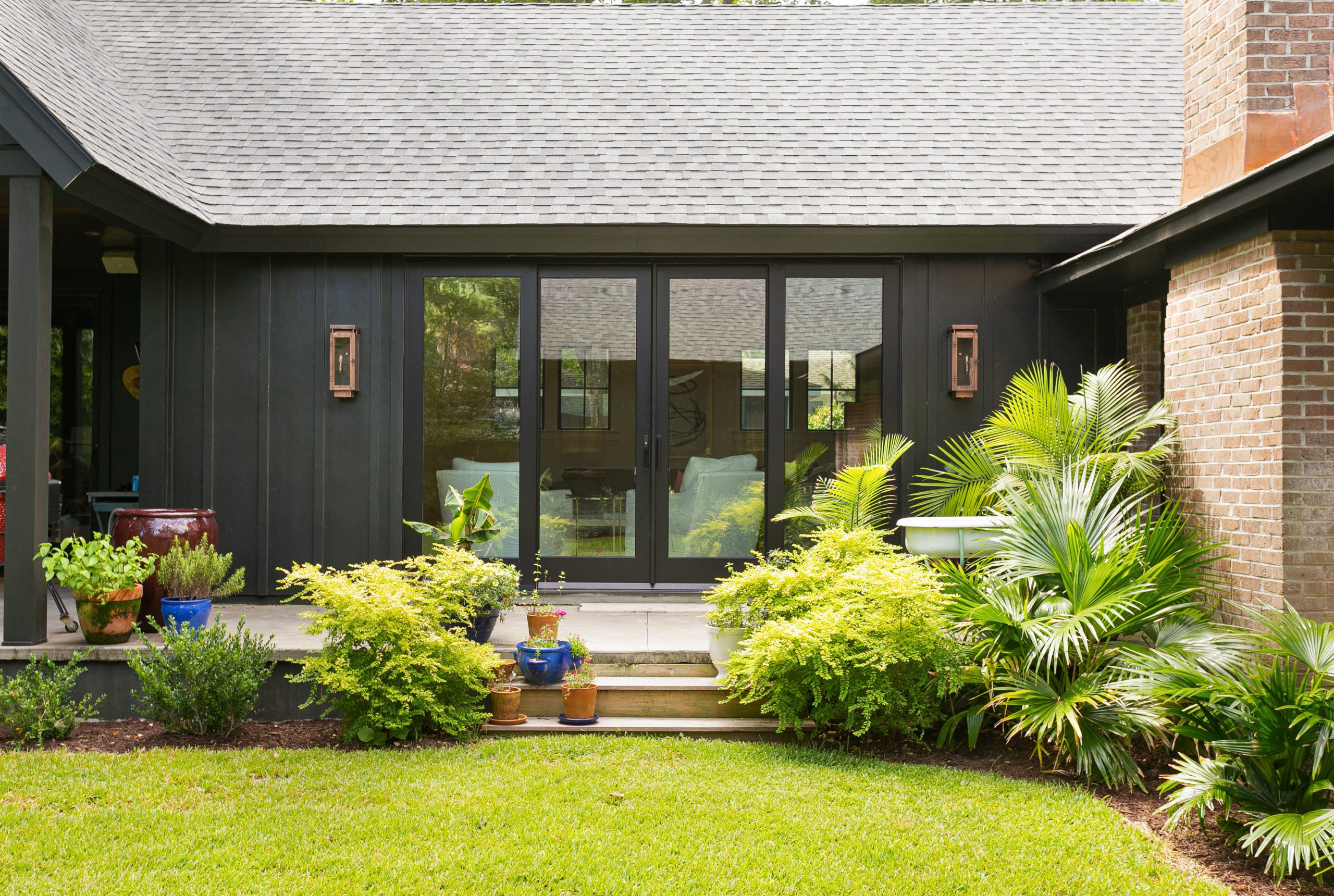
The biggest mistake people make on the exterior is trying to turn a ranch into a farmhouse. Slapping white board-and-batten and black windows on a low-slung ranch usually looks like the house is wearing a costume. It doesn't fit the proportions.
Try this instead:
- Horizontal Cedar Accents: Use it around the entryway to warm up the facade.
- Limewashing the Brick: If you have that weird orange or "used" brick, a breathable limewash like Romabio maintains the texture but kills the dated color.
- The Roofline: Ranch houses have huge roofs. When it's time to reroof, go with a architectural shingle in a dark charcoal or a standing seam metal roof if the budget allows.
- Windows: 1970s windows were often small. If you can afford to cut the headers and drop the sills to install larger black-frame windows, do it. It’s the single biggest way to make the house feel modern from the street.
Energy Efficiency Secrets Nobody Mentions
1970s houses are notoriously drafty. The insulation in the walls has usually settled, leaving the top six inches of your wall basically uninsulated. While you’ve got the drywall off for your 1970's ranch style home remodel, look at the rim joists.
Spray foam in the rim joists—the area where the house frame meets the foundation—is the "secret sauce" of comfort. It stops the cold air from whistling into your floors. Also, check your ductwork. In the 70s, they often just used the wall cavities as "return air" vents. It’s inefficient and gross. Running actual metal or flex ducts for your returns will save you a fortune on your HVAC bills and actually make the bedrooms feel the same temperature as the living room.
The Kitchen: Moving the "Triangle"
The original 70s kitchen was designed for one person to cook in a U-shaped cockpit. Today, we want three people in the kitchen, an island for homework, and a place to put the air fryer. You’ll almost certainly want to move the sink or the stove.
Moving a stove is easy if it’s electric; it’s a pain if it’s gas. Moving a sink is the real kicker because of the vent stack and the drain slope. If your ranch is on a slab, you’re jackhammering concrete. If you have a basement, you're in luck. The flexibility of a ranch with a full basement is why they are the ultimate renovation canvas. You can move a bathroom three feet to the left without it costing a literal fortune.
Practical Steps to Start Your Renovation
Don't just start swinging a sledgehammer. You'll regret it about three hours in when you hit a plumbing vent you didn't know was there.
- Get a Survey and Asbestos Test: If your house was built before 1980, there’s a high chance that "popcorn" ceiling or the linoleum floor tile contains asbestos. Get it tested. It's cheap to test, but expensive to remediate if you've already spread dust everywhere.
- Define the Primary Suite: Most 70s ranches have three small bedrooms and 1.5 baths. The move here is to steal space from the third bedroom to create a true primary bath and walk-in closet. A house with a master suite sells for significantly more than a 3-bed with one shared hallway bath.
- Audit the Electrical Panel: You’re probably looking at a 100-amp or 150-amp service. If you’re adding a modern kitchen with high-end appliances, a wine fridge, and maybe an EV charger in the garage, you’ll need to upgrade to 200-amp service. Do this first.
- Landscaping is Half the Battle: Because ranches sit low to the ground, they can look "sunken" into the lot. Overgrown 50-year-old junipers make the house look tiny. Rip them out. Low-profile, tiered landscaping makes the house look wider and more expensive.
- Focus on "Touch Points": You can save money on tile or paint, but don't skimp on things you touch every day. Solid core doors, heavy-duty hardware, and high-quality faucets make a budget remodel feel like a luxury build.
A 70s ranch isn't a museum piece. It’s a shell. These homes were designed to be functional, and as long as you respect the horizontal lines and the flow of the lot, you can turn a dated "Brady Bunch" house into something that feels completely high-end and contemporary. It just takes a bit of planning and a willingness to look past the wood paneling.