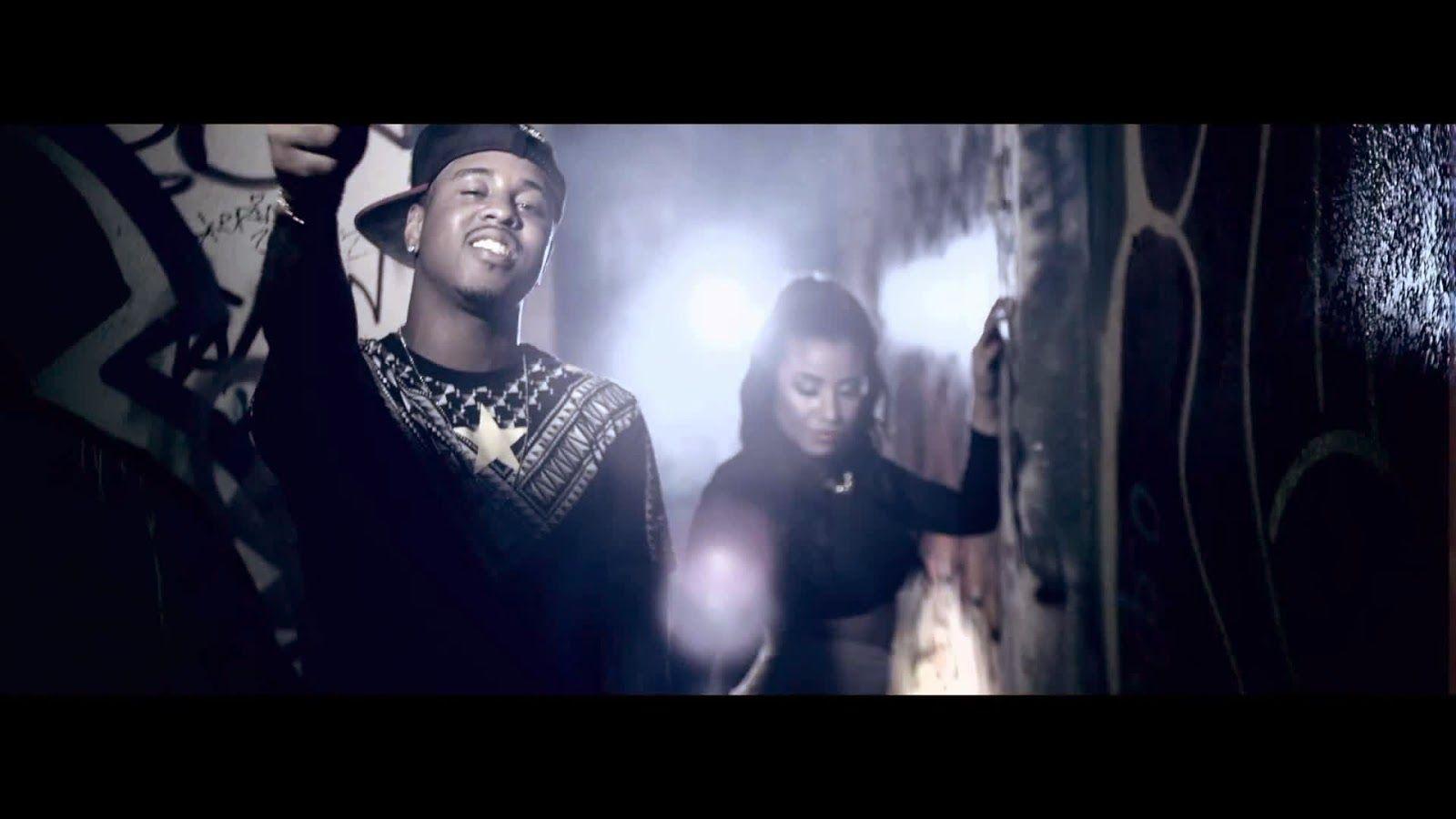
Before the world knew him as the "Bad Azz" or the guy who dominates your Instagram feed with wild takes, Torrence Hatch was just a seventeen-year-old kid from Baton Rouge trying to make it out of the South Side. If you weren't there in 2000, you probably missed the earthquake. Youngest of da Camp wasn't just an album title; it was a literal description of his status within the Concentration Camp collective.
Boosie was the baby. The protege.
The project dropped through C-Loc Records, a local powerhouse run by Boosie’s cousin, C-Loc. It didn't have a multi-million dollar marketing budget. It didn't have a Super Bowl ad. What it had was Pen & Pixel artwork—that gloriously cluttered, high-gloss aesthetic of the early 2000s—and a raw, high-pitched delivery that sounded like nothing else coming out of Louisiana at the time.
The Raw Reality of Youngest of da Camp
People talk about "reality rap" now like it’s a marketing gimmick. For Boosie, it was survival. Recording this project at just 17, he was already carrying the weight of his father’s murder and a neighborhood that didn't offer many exits.
The production was handled largely by Happy Perez, along with C-Loc and Russ Lee. Happy Perez is a name you should know if you care about the Southern sound; he’s the same architect who helped craft hits for Chamillionaire and later worked with Frank Ocean. On this album, the beats were "brittle," metallic, and perfectly suited for a teenager with a lot to say and a voice that hadn't quite finished puberty.
Most listeners today find Boosie through Wipe Me Down or Zoom, but the DNA of those hits is all over tracks like "It’s Goin Down" and "Pop It On Me." There’s a specific kind of hunger you can't fake. Honestly, you can hear it in the way he strains his voice on "My Life." He wasn't trying to be a poet. He was trying to be heard. The album sold about 10,000 units initially—a massive win for an independent kid from the 225 area code. It wasn't about the Billboard charts yet. It was about owning every car speaker from Baton Rouge to New Orleans.
Why the Concentration Camp Era Matters
You can't talk about this debut without talking about the collective. The Concentration Camp was a roster of heavy hitters:
- C-Loc: The veteran mentor.
- Max Minelli: The lyrical backbone who appeared on almost half the tracks of this debut.
- Young Bleed: The breakout star who had already seen major label success with No Limit.
When Young Bleed left the group, it created a vacuum. Boosie stepped into that space with a chip on his shoulder. Being the "Youngest of da Camp" gave him a unique perspective. He wasn't the jaded vet; he was the observant kid seeing the traps of the game before he even fell into them.
Breaking Down the Tracklist
The album runs about 53 minutes across 15 tracks. It's a journey through the "Jiggin" culture of Baton Rouge.
- "Feel Lucky" (feat. Max Minelli): This track set the tone. It’s aggressive. It’s paranoid. It’s exactly what the streets wanted.
- "That Night": A standout that showed his storytelling ability wasn't just a fluke.
- "Boosie II (Don’t Forget It)": This served as a sort of mission statement.
The album's grit is what eventually caught the ear of Pimp C. Without the groundwork laid by this independent release, Boosie might never have signed to Trill Entertainment in 2001. That move changed everything, leading to the legendary run with Webbie and the "Bad Azz" persona that went global.
The Sound That Defined a City
Louisiana rap in the late 90s and early 2000s was dominated by the "Big Two" in New Orleans: No Limit and Cash Money. But Baton Rouge had a different vibration. It was slower, more blues-influenced, and arguably more volatile.
Youngest of da Camp is the bridge between the old guard of BR rap and the "Ratchet" era that would come later. If you listen closely to the hi-hats and the synth-heavy basslines, you can hear the beginnings of the "Jig" sound—a high-energy, bouncy style of music and dance that defines the city's nightlife.
Critics sometimes dismissed Boosie early on because of his voice. It's high. It's piercing. It’s "nasal." But that voice became his greatest asset. It cuts through a loud club like a siren. On his debut, that voice was at its most "unvarnished." He wasn't polished. He wasn't "industry." He was just Boosie.
How to Listen to It Today
Looking back, the album is a time capsule. If you’re a fan of Southern hip-hop history, this is mandatory listening. It’s not just a "starter" album; it’s the blueprint for an entire career.
You can see the influence in artists like NBA YoungBoy or Kevin Gates. That raw, emotional transparency started right here. They aren't just rapping; they’re venting.
Actionable Next Steps:
- Check the Production: Go back and listen to the Happy Perez tracks. Compare the "thin" sound of 2000 to the lush production on Bad Azz (2006). It’s a masterclass in how Southern production evolved.
- Find the Physicals: If you ever see an original C-Loc Records CD with the Pen & Pixel art, grab it. They are collector’s items now.
- Contextualize the Lyrics: Listen to "Young Niggaz" featuring Donkey. It’s a stark reminder of what life was like for a 17-year-old in the 225 during that era.
- Trace the Lineage: Listen to this album back-to-back with For My Thugz (2002). You’ll hear exactly when the "Lil Boosie" we know today truly arrived.
The album remains a testament to what a kid with a microphone and a local buzz can do. It didn't need the world's permission to be great. It just needed the South to listen.



