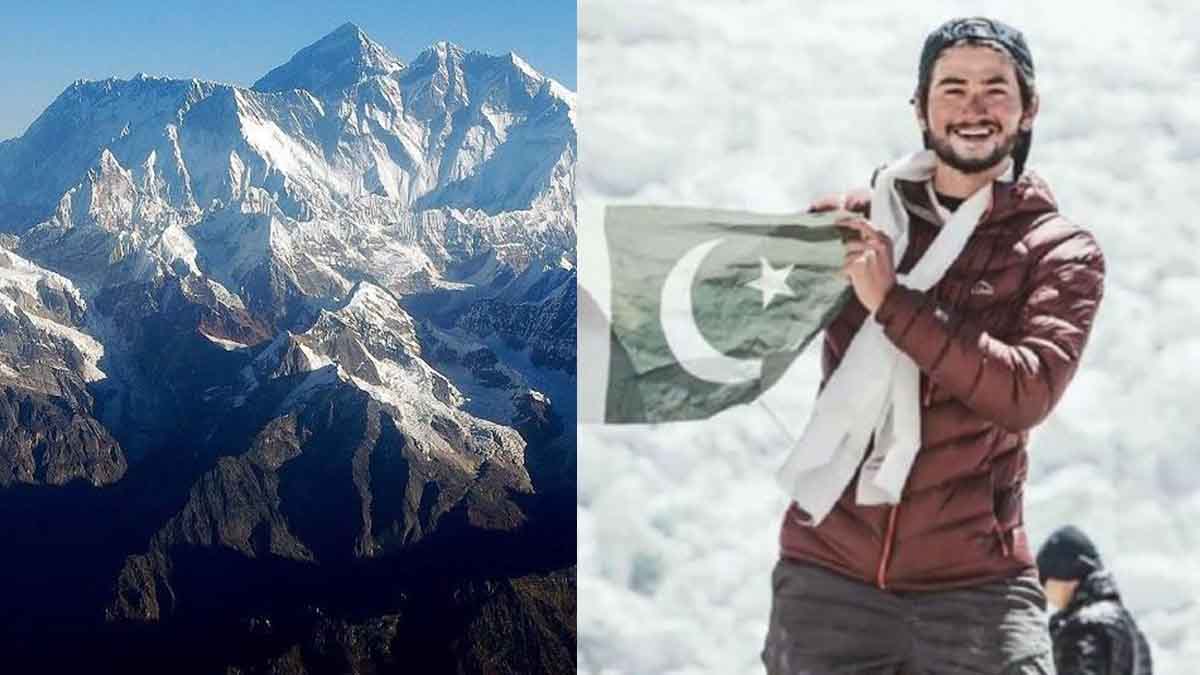
May 22, 2010. Imagine being 13 years old. Most kids that age are worried about algebra homework, getting braces, or maybe finally beating a tough boss in a video game. But Jordan Romero was standing on the literal top of the world. He was at the summit of Mount Everest, staring down at the clouds from 29,032 feet.
It was a moment that changed mountaineering history. It also sparked a massive, global argument that hasn't really settled down, even years later. When we talk about the youngest climber to climb Mount Everest, it's not just a story of "local boy makes good." It’s a story about ethics, legal loopholes, and the absolute limits of what a human child can—or should—be allowed to do.
The Record That Will Likely Never Be Broken
Jordan Romero was 13 years, 10 months, and 10 days old when he reached the peak. He wasn't some random kid who got lucky; he had already knocked off five of the "Seven Summits" before he even touched Everest. He brought a rabbit’s foot for luck. He planted some seeds a monk gave him. He called his mom on a satellite phone and just said, "Mom, I’m calling you from the top of the world."
Honestly, it sounds like a movie. But the backstory is a lot more complicated than a feel-good Disney flick.
Basically, Nepal doesn't let you climb Everest if you're under 16. They have rules. They know how many people die in the "Death Zone" above 8,000 meters. But China? Back in 2010, the Tibetan side didn't have those same age restrictions. Jordan and his family—his dad Paul and stepmom Karen, both elite athletes—simply went through Tibet to bypass the Nepalese laws.
Was it Ambition or Recklessness?
The backlash was instant. Critics like David Hillebrandt, a medical advisor for the British Mountaineering Council, were pretty vocal. They argued that a 13-year-old’s brain and body aren't physically ready for that kind of oxygen deprivation. People worried about long-term cognitive damage. Others just thought it was a case of parents pushing their kid way too hard.
Jordan always maintained it was his idea. He saw a mural of the Seven Summits in his school hallway when he was nine and decided he wanted to do it. His dad, a paramedic, insisted they were prepared. They spent 51 days on the mountain just to get his body used to the thin air.
Malavath Purna: The Girl Who Followed
Only four years later, in 2014, an Indian girl named Malavath Purna (also known as Poorna) nearly tied the record. She was 13 years and 11 months old—just one month older than Jordan.
Purna’s story is a bit different. She came from a tiny village in Telangana, the daughter of agricultural laborers. She hadn't even seen a mountain until eight months before her summit. She was part of a government program to empower students from marginalized backgrounds.
When she saw Everest for the first time, she reportedly told her coach, "It’s not that tall. We can climb it in a day." It took her 52 days. Like Jordan, she had to climb from the Tibetan side to avoid the Nepal age limit.
Why You Can't Do This Anymore
If you’re 13 today and thinking about grabbing your ice axe, I've got some bad news. Jordan Romero basically "closed the door" behind him.
After the massive international outcry following his summit, the China Tibet Mountaineering Association (CTMA) changed the rules. They raised the age limit to 18. Nepal stuck to its 16-year-old limit. This means that unless someone finds a very strange legal loophole or a brand new route, Jordan’s record is essentially "frozen" in time.
The Physical Toll of High Altitude on Kids
Mountaineering experts aren't just being "Karens" when they complain about age. There are real biological reasons why climbing Everest as a middle-schooler is sketchy.
- Brain Development: The prefrontal cortex is still "under construction" at 13. High-altitude cerebral edema (HACE) is scary for adults, but for a developing brain? We don't even fully know the long-term effects.
- Bone Growth: Intense physical stress and extreme cold can mess with growth plates.
- Decision Making: In the "Death Zone," your brain is foggy. You have to make split-second survival decisions. Most 13-year-olds are—let's be real—not known for their stellar judgment under pressure.
Jordan was lucky. He was 5’10” and 165 lbs at the time, which made him physically more like an adult. Purna was much smaller but showed incredible mental toughness. Both made it down with all their fingers and toes, which is more than some veteran climbers can say.
The Legacy of the Youngest Climbers
Jordan went on to finish the Seven Summits by age 15, becoming the youngest to do that, too. Today, he’s still involved in the outdoors but has mostly stayed out of the record-breaking spotlight.
Purna became a symbol of empowerment in India. Her climb inspired a movie called Poorna and showed millions of girls that their "background" doesn't define their "height."
But the "Poorna Effect" also means that we’ve collectively decided that 13 is probably too young. We’ve moved toward a world where we value the maturity of the climber as much as the summit itself.
What We Can Learn From Them
Whether you think their parents were visionary or irresponsible, you can't deny the sheer grit it takes to stand at 29,000 feet. If you’re looking to get into mountaineering or just want to challenge yourself, here are the real takeaways from these young legends:
- Preparation is everything. Jordan didn't just wake up and decide to climb Everest. He trained for years on smaller (but still huge) peaks like Kilimanjaro and Aconcagua.
- Respect the rules. The age limits exist for a reason. Modern climbing is about sustainability and safety, not just being the "first" or "youngest."
- Know your "Why." Both Jordan and Purna had a deep, personal reason for climbing. Without that, you’ll never make it through the 2:00 AM summit push when your lungs feel like they're full of glass.
If you’re interested in starting your own journey, don't look for the tallest mountain first. Start with a local hiking club or a rock climbing gym. Learn the technical skills, understand how your body reacts to elevation, and always, always listen to the mountain. It doesn't care how old you are; it only cares if you're prepared.