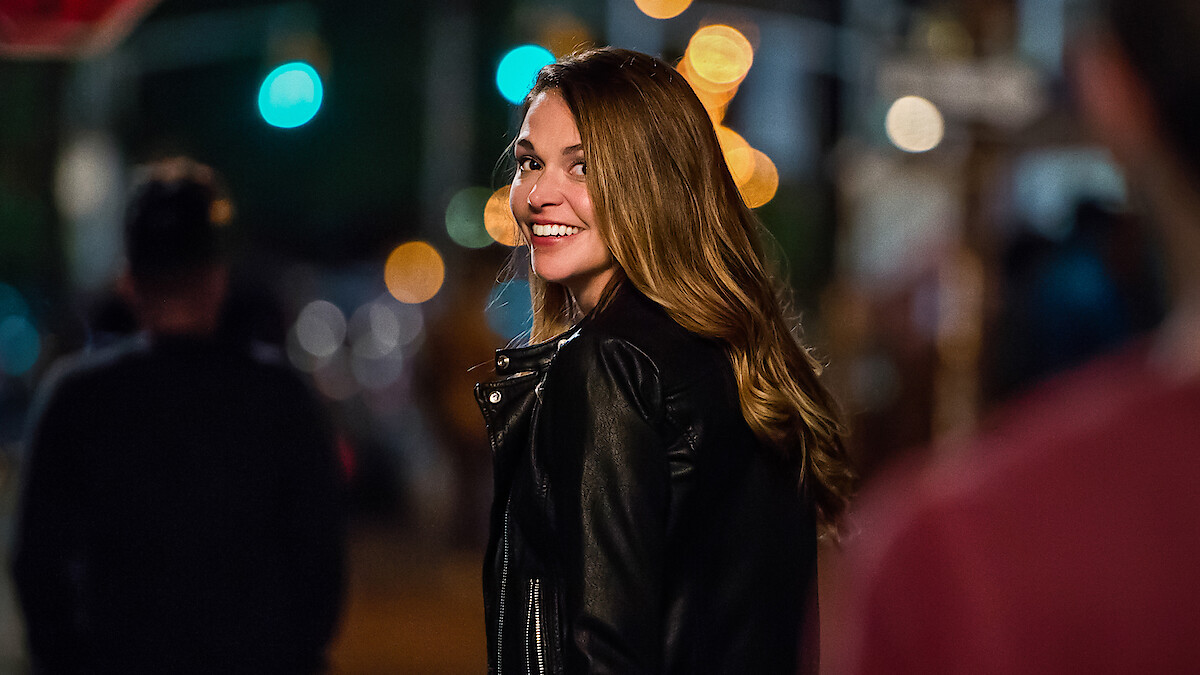
You see them everywhere. Those fresh faces on your Netflix feed or the ones blowing up your TikTok FYP with "get ready with me" videos from the set of a show you haven't even finished yet. Everyone thinks they know how it works: a kid gets lucky, lands a streaming hit, and suddenly they're a millionaire with a permanent spot on the A-list. Honestly? That is almost never the case.
The reality for younger tv show actors in 2026 is a weird, high-stakes grind that looks nothing like the Hollywood of ten years ago. It’s not just about acting anymore. It’s about "the brand." It’s about whether you can keep 10 million followers engaged while also delivering a gut-wrenching performance in a high-concept limited series.
The Breakout Myth and the New Reality
Most people assume that once an actor like Owen Cooper wins an Emmy—which he actually did, becoming the youngest male actor to do so for his role in Adolescence—they’re basically set for life. But 2026 has brought some harsh truths. The industry is fractured. You've got the "Netflix effect" where a show like Adolescence or the final season of Stranger Things makes you a global icon for three weeks, and then... nothing.
The "breakout" is now a temporary spike. Take Aimee Lou Wood, who most of us loved in Sex Education. She’s currently a major focus because of The White Lotus season 3, playing Chelsea. Even with that kind of pedigree, the hustle doesn't stop. These actors are constantly fighting to stay relevant in a landscape where Gen Z (and even Gen Alpha now) spends more time watching "yap videos" on social media than actual premium television.
Actually, a 2025 Deloitte report found that over half of Gen Z feels "closer" to social media creators than to traditional actors. That’s a terrifying stat if you’re a 19-year-old trying to make it in prestige TV. If the audience doesn't feel that "parasocial" connection, they just stop tuning in.
Why the White Lotus Effect Still Matters
If there is one "golden ticket" left for younger tv show actors, it’s the Mike White stamp of approval. The White Lotus has become the ultimate career launchpad. It did it for Sydney Sweeney, it did it for Leo Woodall, and now it’s doing it for a new batch.
In the latest season, we're seeing stars like Sarah Catherine Hook and Sam Nivola—who played the Ratliff kids—get that specific kind of "prestige fame." Hook, playing Piper, is a great example of the modern trajectory. She didn't just appear out of nowhere; she paid her dues in shows like First Kill and the Cruel Intentions reboot.
Then you have Lalisa Manobal (yes, Lisa from Blackpink). Her move into acting as Mook in The White Lotus basically blurred the line between global pop idol and TV star. It's a smart play. In 2026, you kind of have to be everything at once.
The "Stranger Things" Growing Pains
We have to talk about the elephant in the room: the Stranger Things kids. Or, well, they aren't kids anymore. Millie Bobby Brown and Finn Wolfhard are essentially veterans at this point, but their transition into "adult" roles has been... let's call it complicated.
There's been a lot of chatter—honestly, some of it pretty harsh—about how the acting quality shifted as the show dragged on. While Sadie Sink and Caleb McLaughlin are widely praised for carrying the emotional weight of the later seasons, others have struggled to escape the characters they started playing when they were eleven. This is the "child star trap" 2.0. It's not about burnout or tabloid scandals anymore; it's about whether the audience will let you be anyone else.
Money, Social Media, and the 2026 Paycheck
Think these kids are all making $1 million an episode? Think again. Unless you're on a massive, established hit, the average salary for a working actress in 2026 is hovering around **$48,747** according to recent industry data. Sure, the top 1% are doing great, but for most younger tv show actors, the real money isn't coming from the call sheet. It’s coming from the Loewe campaigns and the American Eagle "Great Jeans" ads.
Isabela Merced is the blueprint here. She’s everywhere—Alien: Romulus, The Last of Us, and huge film roles—but she’s also a master of the "effortless" social media presence. The camera loves her, and brands love her even more. If you can't sell a pair of sneakers or a luxury bag on Instagram, your "value" to a studio in 2026 is significantly lower. It's cynical, but it's the truth.
What’s Actually Changing Right Now?
- The UK Invasion: Stars like Sophie Wilde (the Talk to Me and Babygirl breakout) and Kieron Moore are dominating. There's a huge shift toward casting British and Australian talent because of their often rigorous "drama school" training, which stands out in a sea of "influencer-turned-actors."
- The Mini-Series Pivot: Most young actors are avoiding long-term 7-season contracts. They want the "one and done" prestige limited series. It’s better for the "brand" and allows them to pivot to film faster.
- Micro-Content: Some actors are now appearing in "micro-series" specifically designed for phone screens. It’s a weird middle ground between TikTok and HBO.
The Most Notable New Names to Watch
If you want to look like an expert at your next watch party, keep an eye on these specific people:
- Owen Cooper: The Warrington teen who basically came out of nowhere to lead Adolescence. He's now playing young Heathcliff in Emerald Fennell’s Wuthering Heights. That is a massive jump.
- Yerin Ha: She’s the new lead in Bridgerton season 4. If the "Bridgerton effect" holds, she’s about to be the most famous person on the planet for a solid six months.
- Joseph Zada: He’s playing young Haymitch in the new Hunger Games prequel, Sunrise on the Reaping. That’s the kind of role that defines a career.
The industry is leaning into "nuanced" and "haunting" performances. The era of the "Disney Channel smile" is over. Studios are looking for actors who look "real"—whatever that means this week—and who can handle the intense scrutiny of a 24/7 digital cycle.
How to Follow Their Career Trajectories
If you’re interested in following the rise of younger tv show actors, don’t just look at the Emmy nominations. Look at the "NextGen" lists from The Hollywood Reporter or the IMDb "Breakout Stars" rankings. These lists are usually updated in December and give a much better indication of who the industry is actually betting on.
Pay attention to the production companies, too. If A24 or Plan B (Brad Pitt’s company) signs a young actor to a multi-picture deal, that’s a much bigger indicator of longevity than a viral clip from a streaming show.
Success in 2026 is about a weird mix of old-school talent and new-school "vibe." It’s messy, it’s fast-moving, and most of these actors are just one bad algorithm shift away from being forgotten. But the ones who get it right? They’re the ones who will be winning the Oscars in 2035.
Practical Next Steps for Career Tracking
To stay ahead of the curve on who is actually "making it" in the TV world, start by monitoring the casting announcements for "anthology" series. These shows (like The White Lotus, Black Mirror, or Monster) are currently the primary way new talent is vetted for major film roles. Additionally, follow the "BAFTA Rising Star" nominees; historically, this list has a much higher accuracy rate for predicting long-term stardom than American fan-voted awards.
Finally, check the "credited" vs. "uncredited" roles on IMDb Pro for upcoming pilots. Many of the 2027 breakouts are currently filming unannounced projects that will hit the trades in the next six months. Knowing the production cycle—typically 12 to 18 months from casting to screen—allows you to spot a rising star before the marketing machine even starts.



