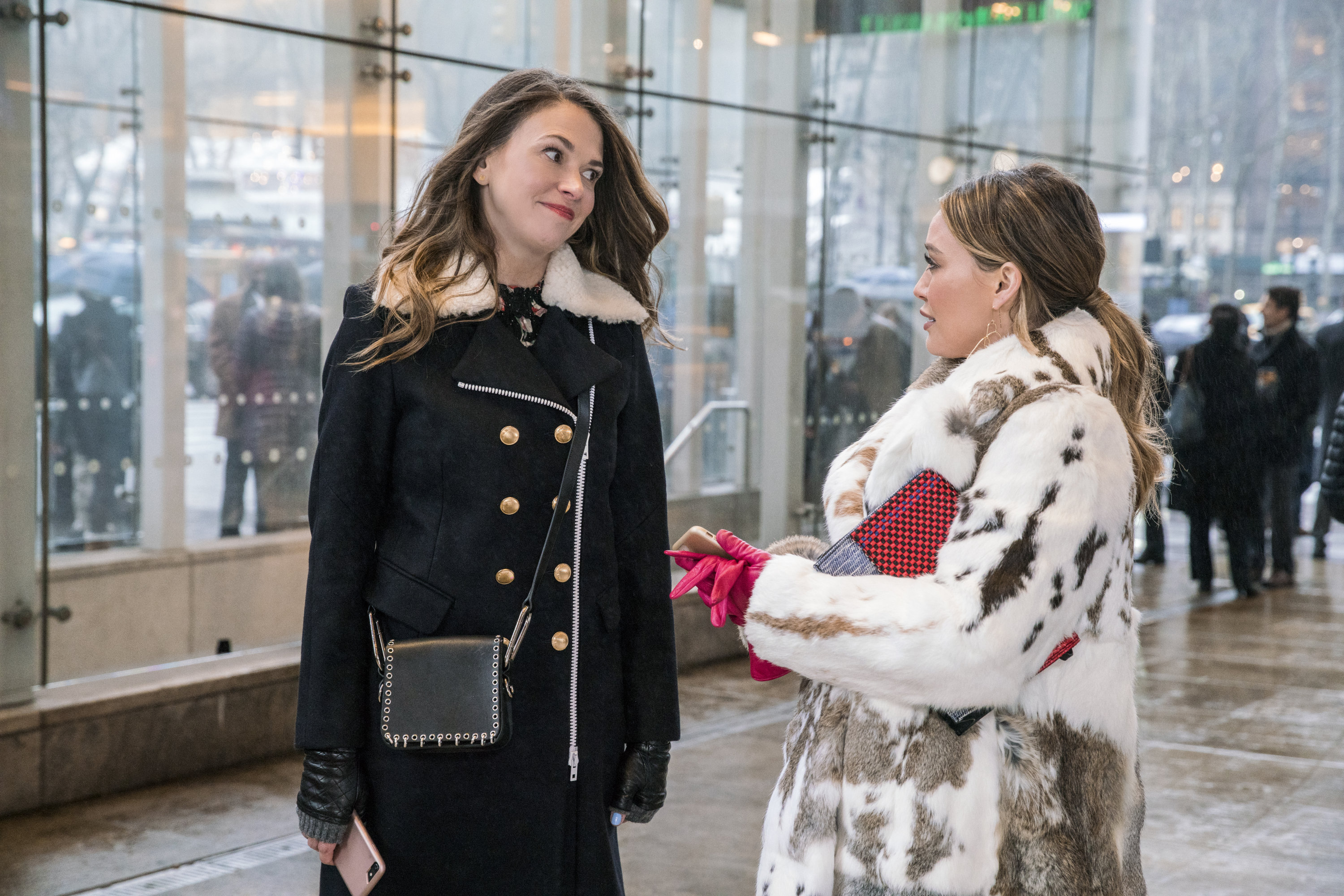
Let’s be real for a second. We’ve all told a little white lie to get a job or impress a date. But Liza Miller? She basically turned a tiny fib into an Olympic sport. By the time we hit Younger TV series season 4, the wheels aren’t just coming off the bus; the bus is on fire, and everyone is screaming.
Honestly, if you watched the season 3 finale, you know the stakes were sky-high. Liza finally cracked and told Kelsey the truth. Not just "I’m actually a few years older," but "I’m 40, I have a college-aged daughter, and your entire friendship is built on a foundation of fake birth certificates and millennial slang I googled."
Season 4 is where the show stops being a lighthearted romp about ageism and starts being a brutal masterclass in what happens when trust evaporates.
The Kelsey Fallout was Brutal (and Necessary)
Most shows would have Kelsey forgive Liza by the second commercial break of the premiere. Not Younger. Darren Star and the writers leaned into the awkwardness.
Kelsey, played by Hilary Duff, spent most of the season premiere, "Post Truth," in a state of pure, icy rage. And who could blame her? She didn’t just lose a friend; she realized the person she shared her deepest secrets with was effectively a stranger playing a character.
- The Power Shift: For three seasons, Kelsey was the mentor. Suddenly, she realizes Liza is older, more experienced, and has been "managing" her this whole time.
- The Collaboration: To keep the Millennial imprint alive, they have to keep the secret. This forces them into a toxic, "work-only" dynamic that is genuinely painful to watch if you’re a fan of their chemistry.
- The Josh Connection: Since Josh and Kelsey are the only ones who know (besides Maggie), they start bonding over their shared trauma of being lied to. It’s messy. It’s weird. They even kiss at one point, which... yikes.
Why Charles and the "Marriage Vacation" Messed Everything Up
If you were Team Charles during Younger TV series season 4, you were probably pulling your hair out. The chemistry between Liza (Sutton Foster) and Charles (Peter Hermann) was electric, but then Pauline showed up.
Pauline Turner-Brooks, Charles’s ex-wife (played by Jennifer Westfeldt), returns with a manuscript called Marriage Vacation. The kicker? It’s a tell-all about her marriage to Charles. And because the universe hates Liza, she’s the one who has to edit it.
Watching Liza help the woman who wants to win back the man she loves is peak drama. It’s also incredibly nuanced. Pauline isn't a villain; she’s just a woman trying to reclaim her life after leaving her family. It forces Liza to confront the reality of Charles's life—a life she actually fits into better as a 40-year-old than a 26-year-old.
Ireland, Green Cards, and Heartbreak
The season finale, "Irish Goodbye," took the drama international. Josh, ever the impulsive romantic (or just plain impulsive), decides to marry Clare, an Irish girl he barely knows, just so she can stay in the country.
It was a classic Josh move. He’s hurting from the Liza breakup, and instead of processing it, he flies to Ireland to commit to a stranger.
Liza, being the self-sacrificing martyr she often is, actually helps facilitate this. She even lies to immigration officials to help the marriage happen. It’s a bittersweet ending to the season. While Josh is getting "happily" married, Charles is calling Liza from New York, finally ready to bridge the gap.
The Weird Trivia Most People Miss
Did you know that Christian Borle, who played the disheveled journalist Don Ridley in this season, was actually married to Sutton Foster in real life? They divorced years before, but seeing them together on screen added this weird, meta layer to their scenes. Liza even gets to slap him at one point. Talk about catharsis.
Also, if you look closely at the tattoos on Nico Tortorella (Josh), most of them are real. Nico has dozens of pieces, but for the show, the makeup team actually has to add specific ones or occasionally cover real ones that don't fit Josh’s "Brooklyn artist" vibe.
Is Season 4 Actually the Best One?
In my humble opinion? Yeah. It’s the sweet spot.
The early seasons were great, but they felt a bit "trope-y." By season 4, the characters have real depth. Diana Trout (Miriam Shor) starts showing her soft underbelly with Richard. Lauren (Molly Bernard) becomes more than just comic relief.
The show stopped being about a woman pretending to be young and started being about how hard it is to be a woman in your 40s—or your 20s—trying to find a place where you belong without losing your soul.
How to Apply the Lessons of Younger Today
If you’re rewatching or diving in for the first time, there’s actually some "real world" value here beyond the designer outfits and New York rooftop parties.
- Own Your Expertise: Liza’s biggest mistake wasn't her age; it was thinking her age made her irrelevant. When she finally starts using her real-life experience to edit books, she becomes unstoppable.
- Radical Honesty Beats a Long Lie: As Darren Star said, the longer the lie goes, the harder it is to resolve. If you're hiding something at work or in a relationship, the "reveal" is never as bad as the "discovery."
- Friendships Require Maintenance: The Liza/Kelsey arc shows that forgiveness isn't a switch; it's a process. You have to earn back trust with actions, not just apologies.
If you haven't seen it in a while, go back and watch the "Hygge" episode. It captures that mid-2010s obsession perfectly while masking some of the deepest emotional tension the show ever produced.
What to do next: If you're caught up on season 4, dive straight into season 5 to see how Charles finally handles the "big reveal"—it's one of the most satisfying (and stressful) moments in TV history. Check out the Marriage Vacation real-life book tie-in if you want to see how the show's fiction bled into reality.



