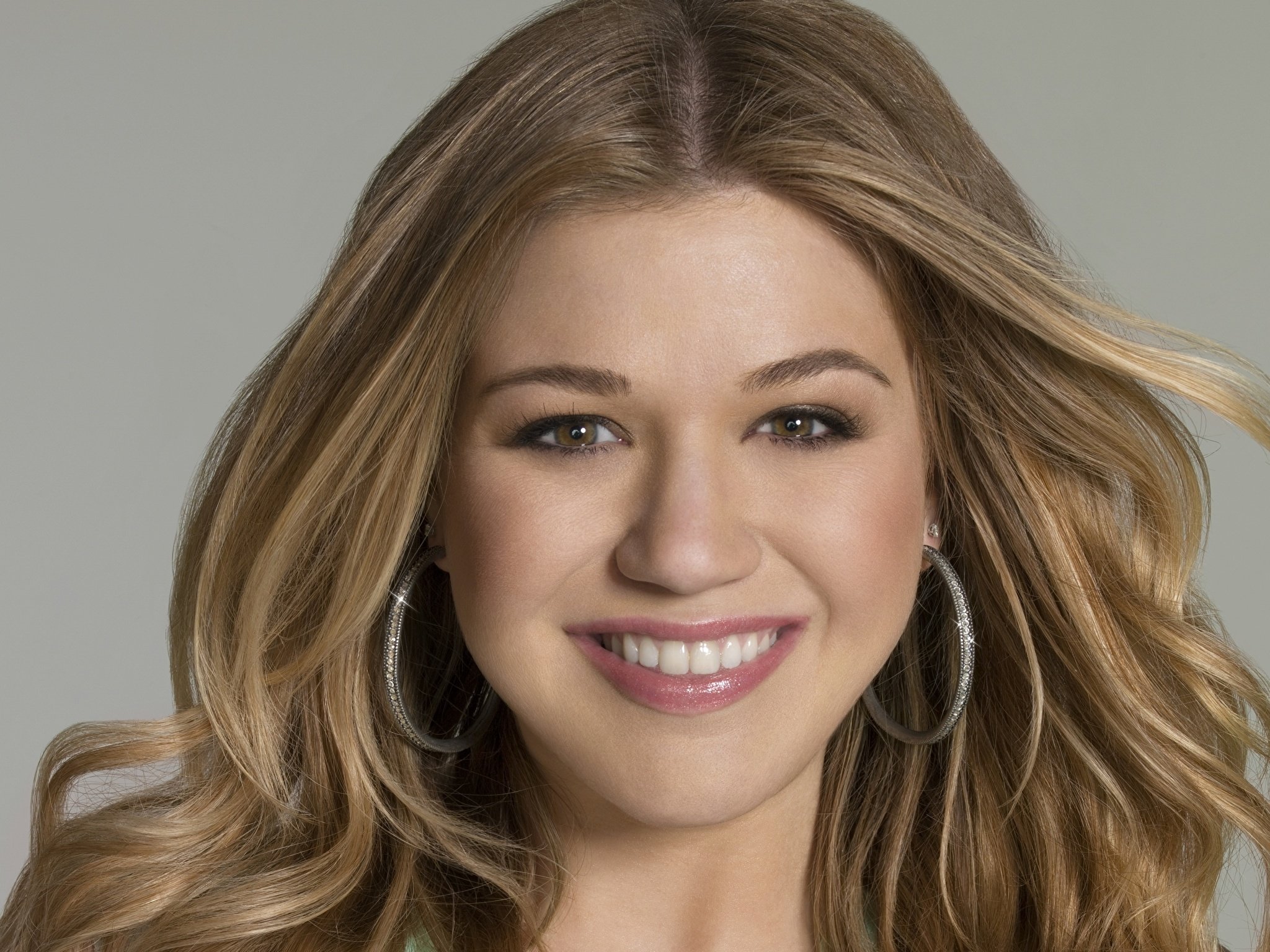
Honestly, it’s kinda weird looking back at 2002. Before the talk show, before the messy divorce headlines, and way before she became the "Queen of Covers," Kelly Clarkson was just a girl from Burleson, Texas, with a voice that didn't make sense for her age. Most of us remember her standing under those bright lights, winning the first-ever American Idol, but that wasn't the beginning. Not even close. If you think she just waltzed onto a stage and became a star overnight, you've missed the best parts of the story.
The truth is, younger Kelly Clarkson was a scrapper.
She was the kid who walked the halls of her junior high, singing to herself, not because she wanted attention, but because she just had to. It was actually a teacher, Cynthia Glenn, who overheard her and basically forced her to audition for the choir. Before that? Kelly wanted to be a marine biologist. She changed her mind after watching Jaws. Can you blame her?
The Struggles Nobody Talks About
Most fans know she moved to Los Angeles before Idol. They don't usually mention how much it sucked for her. She was out there in 2001, doing the "starving artist" thing for real. She worked as an extra on Sabrina, the Teenage Witch and Dharma & Greg. She even recorded a five-track demo with Gerry Goffin, but nothing stuck.
Then, everything went sideways.
Her apartment caught fire. Everything she owned was gone. She ended up sleeping in her car for three days before finally giving up and driving back to Texas. That’s the version of Kelly people forget—the one who was broke, dejected, and working as a cocktail waitress in a comedy club just to pay the bills. When she auditioned for American Idol, she didn't do it because she thought she'd be the next Mariah Carey. Honestly, she just wanted the money to pay her electric bill.
That "Girl Next Door" Style (And Why It Worked)
If you look at photos of Kelly from the early 2000s, it’s a total time capsule. We’re talking about the chunky blonde highlights, the "dress over jeans" look, and those butterfly clips. It was messy. It was authentic.
- The Mall Outfits: Producers literally gave her $500 to go buy clothes at the mall for the show.
- The Hair: Those "skunk stripes" were iconic, even if they make us cringe a little now.
- The Vibe: She looked like someone you’d actually go to high school with, which is exactly why America fell in love with her.
She wasn't a manufactured pop princess. She was a girl who turned down full-ride scholarships to Berklee College of Music and UT Austin because she wanted to do things her way. That stubbornness is what eventually gave us the Breakaway era, where she fought her label to be more "rock" and less "bubblegum."
The Turning Point: Why Younger Kelly Matters
People tend to forget that she was only 20 when she won. That's a lot of pressure for a kid. She was thrust into a contract that forced her to film From Justin to Kelly, a movie she famously hated and begged not to do. She knew it was going to be a "dud" before they even finished filming.
But that’s the thing about Kelly—she’s always been smarter than the industry gave her credit for. She used that early leverage to pivot. By the time 2004 rolled around, she wasn't just "the girl from that reality show." She was a Grammy winner with a sound that defined an entire decade of pop-rock.
How to Channel Your Inner "Younger Kelly"
If you're looking for inspiration from her early years, here's the "Kelly Playbook" for handling a tough start:
- Don't fear the "No": She was rejected by almost every major label in L.A. before she ever walked into an Idol audition.
- Trust your gut on the "Yes": She turned down multiple record deals (Jive and Interscope) because she felt they were trying to pigeonhole her as a generic pop act.
- Pivot when the apartment burns down: Literally. When things go wrong, go home, reset, and look for the next weird opportunity—even if it's a "random" talent show your friend told you about.
- Stay "Normal": Her ability to remain relatable is her greatest asset.
What to do next: If you're feeling stuck in your own career or creative path, take a leaf out of Kelly's book. Audit your current projects. Are you doing them because you want to, or because someone told you to? Start by reclaiming one small part of your "authentic" voice this week, whether that’s a creative choice or a boundary at work. Sometimes the "reset" back to your roots is exactly what leads to the breakthrough.



