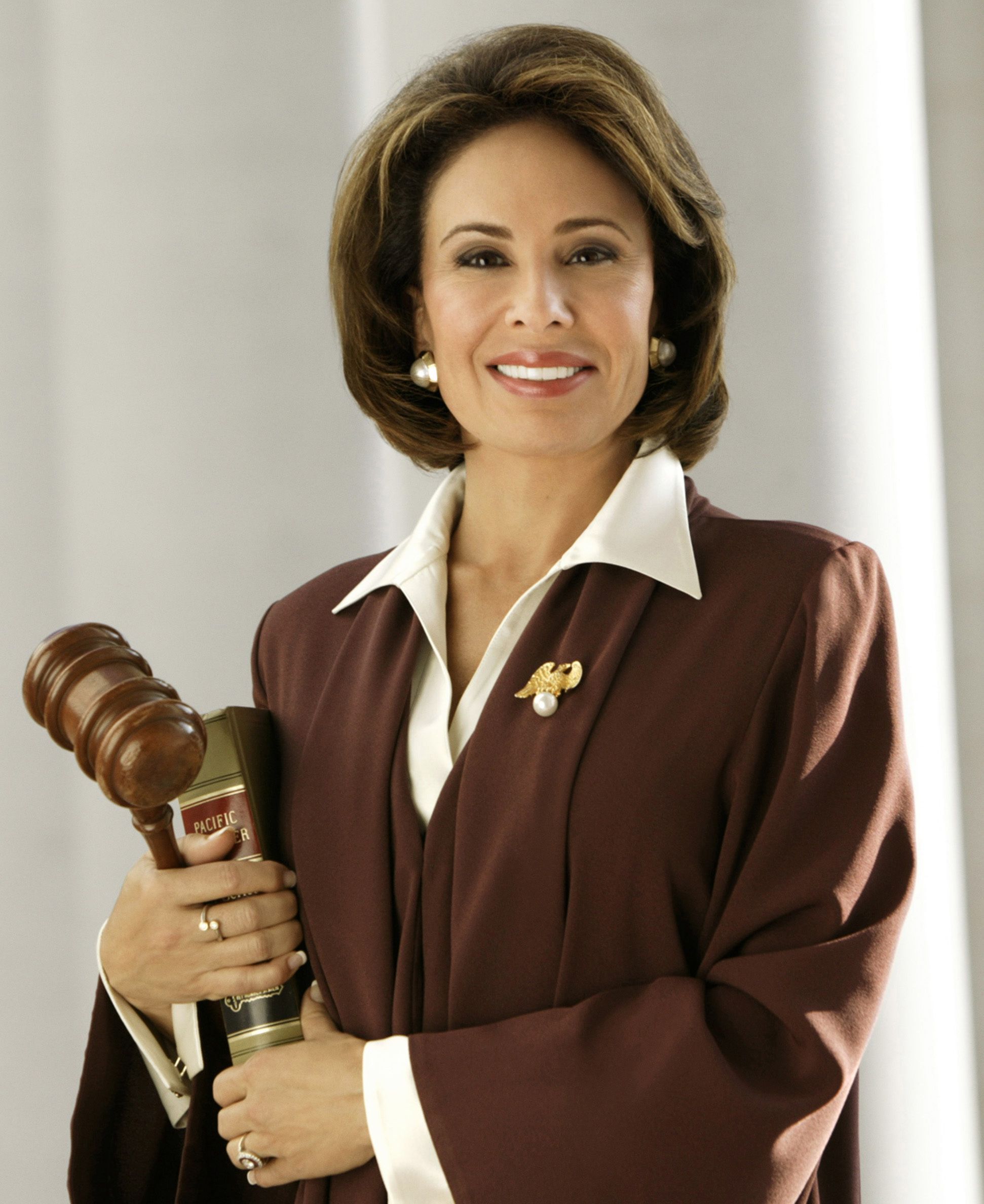
Before the Fox News monologues and the fiery legal commentary that makes headlines today, Jeanine Pirro was a very different kind of force in a very different world. Honestly, if you only know her from The Five or her weekend show, you’re missing the wildest part of the story. The younger Jeanine Pirro wasn’t just a TV personality in training. She was a glass-ceiling-shattering prosecutor in Westchester County who was basically obsessed with cases that most lawyers in the 1970s didn't even want to touch.
She was intense.
Born in Elmira, New York, back in 1951, she didn't just drift into law. Pirro knew she wanted to be an attorney by the time she was six. Most kids are worried about cartoons at that age; she was looking at courtrooms. She actually finished high school in three years. That kind of "burn the candle at both ends" energy stayed with her through the University at Buffalo and Albany Law School. By 1975, she was an Assistant District Attorney. She was one of the only women in the office, and the legal landscape back then was... well, it was a boys' club.
The Prosecutor Who Wouldn't Back Down
When people talk about the younger Jeanine Pirro, they usually focus on her being a trailblazer. But it wasn't just about being "the first." It was about what she did once she got there. In 1978, she started the first domestic violence unit in a prosecutor’s office in the entire country. Think about that for a second. In the late 70s, domestic "disputes" were often treated by police as private family matters. Pirro didn't buy that.
She was aggressive. Kinda relentless, actually.
She had this strict policy: if she took a domestic violence case, she wouldn't drop it just because the victim asked her to. She worried about coercion. She worried about the cycle of abuse. This actually put her at odds with her boss, Carl Vergari, more than a few times. They had a famously rocky relationship. He didn't love that she was issuing press releases with her own name at the top instead of his. But for Pirro, the goal was always visibility—both for the victims and, let’s be real, for her own rising career.
Breaking Records in Westchester
The transition from prosecutor to judge happened in 1990. This was a huge deal. She became the first woman ever elected to the Westchester County Court bench.
- She ran on Republican and Conservative lines.
- She beat out some heavy hitters to get there.
- She wasn't just "sitting" on the bench; she was known for a no-nonsense style that would eventually become her TV trademark.
But the bench couldn't hold her for long. By 1993, she was back in the thick of it, getting elected as the first female District Attorney of Westchester County. She held that post for three terms. We're talking about a career that spanned the O.J. Simpson era, where she started popping up on Larry King Live and Nightline as a legal analyst. People loved her or hated her, but they couldn't stop watching her.
Why the Younger Jeanine Pirro Career Still Matters
Why do we care about what she did thirty years ago? Because it explains the "Judge Jeanine" persona. She didn't just wake up one day and decide to be a firebrand. She spent decades in rooms where she had to talk louder and work harder than the men around her just to be heard.
She handled the Maria Amaya case in 1990—a heartbreaking and high-profile investigation into a mother who killed her four children. Pirro famously rushed to the hospital for a bedside investigation. Critics said she was grandstanding. Her supporters said she was just doing her job with more intensity than anyone else.
The Realities of the 90s Political Scene
It wasn't all wins, though. While she was building this reputation as a fierce advocate for women and children, her personal life was becoming a political liability. Her husband at the time, Albert Pirro, was a powerful lobbyist. In 2000, he was convicted of tax evasion and conspiracy. It was a massive scandal.
Critics jumped on her. They asked how the "law and order" DA didn't know what was happening in her own home. She stood by him for a long time, though they eventually divorced in 2013. That period of her life is essential to understanding her. It’s where she learned to weather a political storm.
- She navigated the fallout while still winning elections.
- She pivoted to a brief run for the U.S. Senate against Hillary Clinton in 2006.
- When that fizzled out, she ran for New York Attorney General but lost to Andrew Cuomo.
Actionable Insights from Pirro's Early Path
If you're looking at the younger Jeanine Pirro as a blueprint for a career, there are some pretty clear takeaways.
Preparation is everything. She often tells young women that the secret to her success wasn't just "talent," it was outworking everyone. She graduated law school at 24 and was heading a national-first bureau by 27. You don't do that by accident.
Find an underserved niche. In the 70s, domestic violence was that niche. By becoming the "expert" in a field others ignored, she made herself indispensable. It gave her a platform that the standard "robbery and homicide" guys didn't have.
Own your brand early. Whether it was the press releases in the 70s or the TV spots in the 90s, Pirro understood that the law is as much about public perception as it is about the statutes.
Today, she’s back in the legal world in a huge way, serving as the U.S. Attorney for the District of Columbia since 2025. It’s a full-circle moment. From a young ADA in Westchester to the top prosecutor in the nation’s capital, her trajectory shows that the "younger" version of herself never really went away. She just got a bigger microphone.
If you want to understand her legal philosophy today, look at the 1978 Domestic Violence Bureau. The aggression, the victim-centric focus, and the refusal to back down—that’s where it all started. To really grasp the Pirro phenomenon, you have to look past the cable news graphics and see the woman who was trying murder cases in Westchester when women weren't even supposed to be in the room.