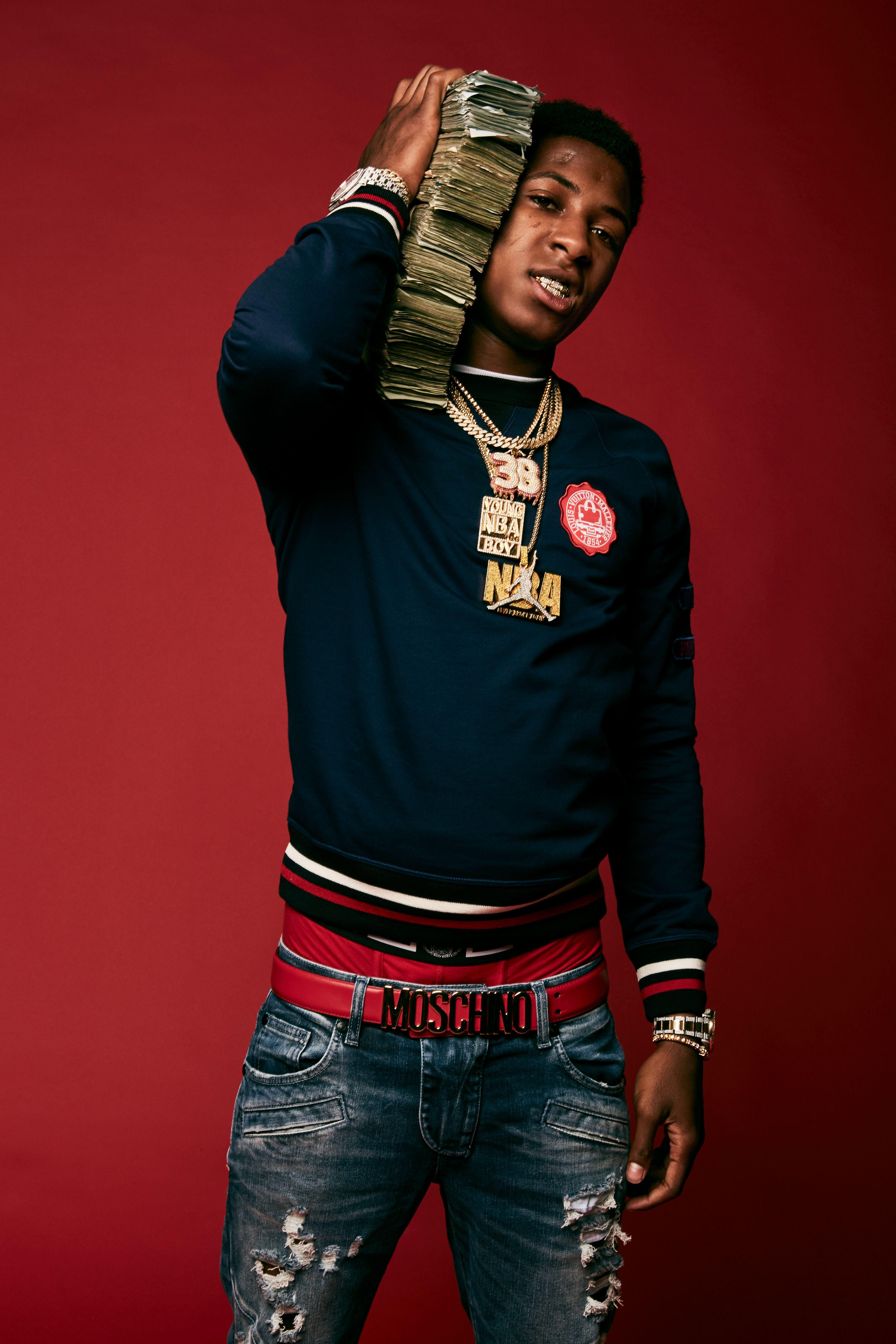
Kentrell DeSean Gaulden is a bit of a statistical anomaly. You might know him as YoungBoy Never Broke Again, or just NBA YoungBoy if you've been following the Baton Rouge scene since the 38 Baby days. It is honestly wild to think that a guy who has spent a massive chunk of his peak career under house arrest or behind bars is consistently out-streaming global pop stars with million-dollar marketing budgets. He doesn't do the traditional press runs. He doesn't go on The Tonight Show. Yet, the numbers are undeniable.
In 2022, he surpassed 100 entries on the Billboard Hot 100. He was only 22 years old then. To put that in perspective, he reached that milestone faster than almost anyone in history, including legends like Elvis or Drake.
YoungBoy Never Broke Again isn't just a rapper. He is a subculture.
The Baton Rouge Blueprint and the Rise of the AI YoungBoy Era
Baton Rouge has always had a specific, jagged energy. It’s not the polished Atlanta sound or the drill-heavy vibe of New York. It’s swampy, aggressive, and deeply melodic. YoungBoy took the foundation laid by people like Boosie Badazz and Kevin Gates and basically digitized it for a generation that lives on YouTube.
If you look at his early work, specifically Mind of a Menace, you can hear a teenager trying to find his voice amidst genuine chaos. It wasn't "industry" music. It was survival music. This is exactly why his fanbase, often jokingly (and sometimes seriously) referred to as the "NBA YoungBoy fans are dangerous" meme, is so fiercely loyal. They feel like they grew up with him. They saw the transition from the 2016 breakout to the massive success of AI YoungBoy in 2017.
That mixtape changed everything. "No Smoke" became an anthem. It wasn't just about the lyrics; it was the pain in the delivery. People talk about "mumble rap" as a pejorative, but YoungBoy actually articulates trauma with a clarity that most poets would envy. He’s raw.
Why YouTube is the Secret Weapon
While most artists focus on Spotify playlists or TikTok snippets, YoungBoy Never Broke Again owns YouTube. It’s his home turf. For years, he has been the most-viewed artist on the platform in the United States, often beating out names like Taylor Swift.
Why? Because he treats YouTube like a diary.
He drops videos constantly. Sometimes they are high-budget cinematic experiences, but often they are just him in his house, or in his yard, rapping directly into the camera. There is no barrier. In an era where everything feels curated and fake, his rough-around-the-edges uploads feel like a FaceTime call from a friend. This accessibility creates a feedback loop. The more he drops, the more the algorithm pushes him, and the more the "Better Than" memes proliferate across social media.
Legal Hurdles and the House Arrest Paradox
It is impossible to talk about YoungBoy Never Broke Again without addressing the legal cloud that follows him. From federal weapons charges to various altercations, his rap sheet is as long as his discography.
In 2021, the "Never Free Again" jokes started surfacing as he faced a major federal case in California and Louisiana. Most artists would disappear. Their careers would crater. Instead, YoungBoy released Sincerely, Kentrell while he was literally sitting in jail.
It went number one.
He joined a very small club of artists—including 2Pac and Lil Wayne—who have topped the Billboard 200 while incarcerated. This says something profound about his audience. They don't care about the controversy; or rather, the controversy is part of the story. They see a young Black man constantly at odds with a system they also distrust.
Life at Gravedigger Mountain
Since late 2021, YoungBoy has spent most of his time at his home in Utah. People called it "Gravedigger Mountain." It’s a strange juxtaposition: a southern street rapper isolated in the snowy mountains of the West.
Surprisingly, this isolation led to his most prolific period. He started experimenting. He dyed his hair, wore face paint, and toyed with rock-infused sounds on projects like Irvine and Colors. Some older fans hated it. They wanted the old "Murder Business" vibe. But the younger crowd? They ate it up. He showed that he wasn't just a "street rapper" box you could easily check off. He was an artist who was clearly bored with the genre's limitations.
He told Billboard in a rare 2023 interview that he felt "guilty" about some of the influence his music had on violence. That was a rare moment of vulnerability. It showed a maturing Kentrell Gaulden, even if the "YoungBoy" persona still had to sell records.
Breaking Down the Discography: Where to Start?
If you're new to the catalog, it's honestly overwhelming. The man drops albums like most people change their socks. Since 2020, he has released over a dozen projects.
- Top (2020): This is arguably his most cohesive "studio" album. It’s polished but keeps that signature grit.
- The Last Slimeto (2022): A massive, 30-track marathon that shows his range from aggressive bangers to emo-rap ballads.
- AI YoungBoy 2: Ask any "real" fan, and they’ll tell you this is his masterpiece. The production is haunting, and his flow is at its absolute peak.
He doesn't follow the "less is more" rule. He follows the "more is more" rule. By flooding the market, he ensures that he is always in the conversation. You can't ignore him because he won't let you. He is the king of the "surprise drop."
The Business of Being YoungBoy
A lot of people think he’s just a kid with a microphone, but his business moves are calculated. His deal with Atlantic Records was famously contentious. He went on social media multiple times to blast the label, even telling artists not to sign there.
Eventually, he moved on to a massive deal with Motown Records, reportedly worth upwards of $60 million. He understood his value. He knew that even without radio play, his digital footprint was worth more than gold.
He also runs Never Broke Again, LLC. This isn't just a catchphrase. It’s a label and a brand. He’s brought up artists like Quando Rondo and NoCap (though that relationship has had its public ups and downs). He’s building an ecosystem.
What Most People Get Wrong About YoungBoy Never Broke Again
The biggest misconception is that his music is just "noise" or "violence." If you actually sit down and listen to a track like "Lonely Child" or "Drawing Symbols," you realize he’s dealing with intense depression and PTSD.
He talks about the loss of his friends, the fear of leaving his children behind, and the weight of his fame. It’s heavy stuff. It’s soul music disguised as trap music.
Also, the "YoungBoy fans" are a meme for a reason, but they are also incredibly savvy. They dominate Twitter polls, they boost streaming numbers through coordinated efforts, and they defend him with a fervor that borders on religious. You can't buy that kind of marketing. It has to be organic.
Dealing with the Criticism
Critics often point to the repetitive nature of some of his beats. Yeah, okay, sometimes the production can feel a bit "type-beat" heavy. And sure, the sheer volume of music makes it hard for any single song to truly breathe and become a timeless classic in the way a Kendrick Lamar song does.
But YoungBoy isn't trying to be Kendrick. He's trying to be the voice of the moment. He’s documenting his life in real-time. It’s a reality show in audio format.
The Future of the 38 Baby
What happens next? As of early 2024, his legal situation remains a massive "if." But his influence is already baked into the DNA of the next generation. You hear his "cry-singing" style in every new rapper coming out of the South.
He’s already a veteran at 24.
The industry tried to blackball him, or at least marginalize him, because he's "difficult." But you can't marginalize someone the people love this much. He’s the ultimate disruptor.
Actionable Insights for Fans and Listeners
If you want to actually understand the YoungBoy Never Broke Again phenomenon beyond the headlines, here is how to dive in:
- Watch the music videos first. Don't just stream the audio on Spotify. To understand the "why" of his success, you need to see the raw energy of his YouTube uploads. Start with "Self Control" or "All In."
- Listen for the lyrics in the second half of his albums. YoungBoy often puts his most vulnerable, experimental tracks toward the end of his long projects. That’s where the "artist" hides behind the "superstar."
- Follow the Never Broke Again label. If you want to see where the sound is going, watch his signees. It gives you a broader look at the Baton Rouge soundscape he helped globalize.
- Track the independent charts. Watch how he performs without major editorial playlisting. It’s a masterclass in direct-to-consumer marketing.
YoungBoy Never Broke Again is the blueprint for the modern independent-minded artist. He proved that if you have a direct connection with your audience, the traditional gatekeepers don't matter. You don't need the red carpet when you have the streets.



