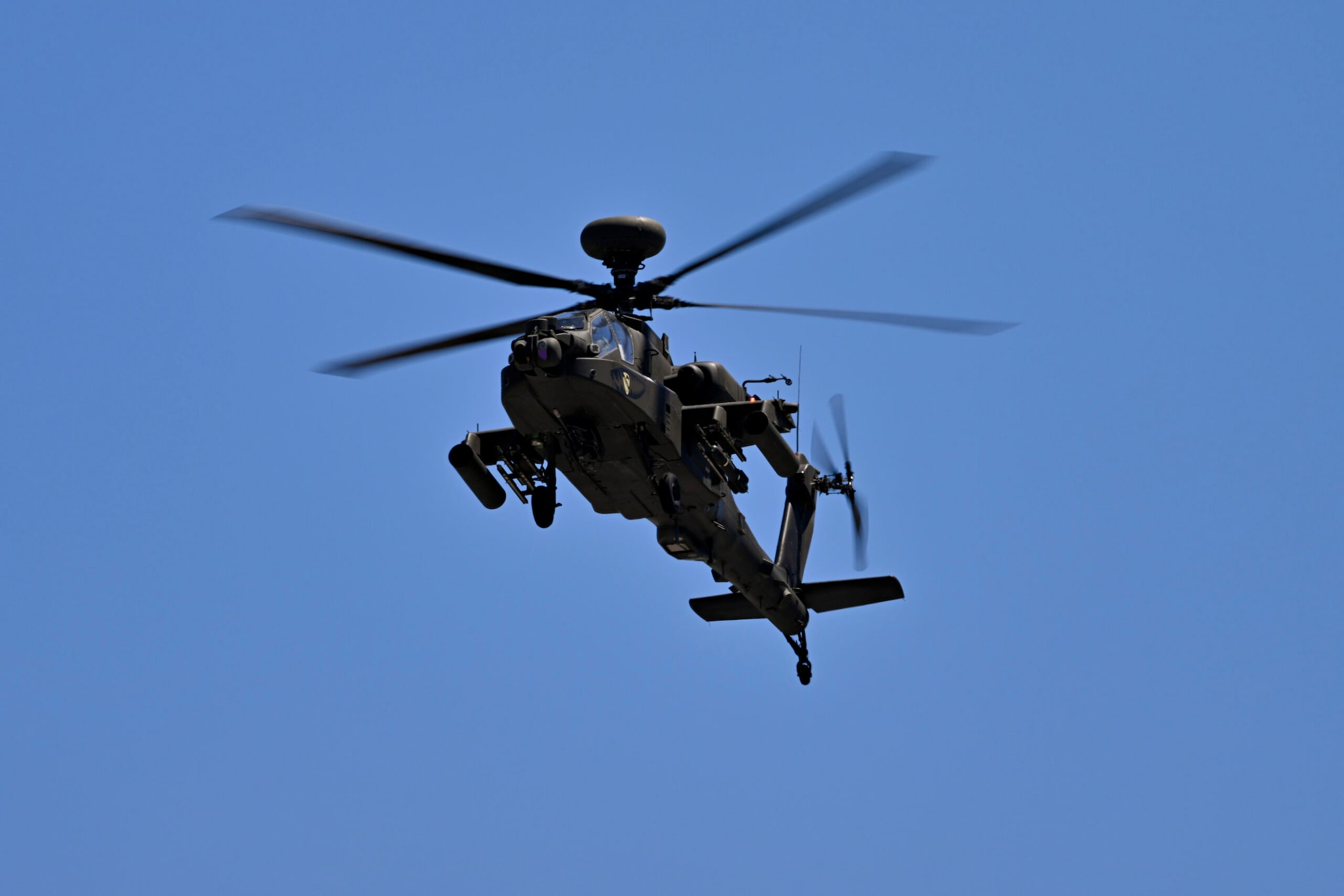
The rotor blades of an Aérospatiale Alouette III do not slice through the air at twenty thousand feet. They fight it. Up there, where the Karakoram range gouges the sky, the atmosphere is a thin, treacherous ghost of what exists at sea level. The engine screams, choked of oxygen, straining to find purchase in a vacuum. To fly a helicopter into the teeth of the northern mountains is to gamble with gravity using a deck stacked heavily in favor of the abyss.
Every flight profile in this region is a calculated defiance of nature. The young men who strap themselves into these vibrating aluminum bubbles know the math. They know that at sub-zero temperatures, steel becomes brittle, hydraulics can freeze in a heartbeat, and the human brain, starved of oxygen, begins to lie to its host. Yet, they push the collective lever forward. They lift off.
A routine logistics and rescue mission in Pakistan-administered Kashmir—historically and geopolitically referred to as Pakistan-occupied Kashmir or the region near the Line of Control—is never truly routine. It is a tightrope walk over sharp granite and bottomless crevasses. When an army aviation helicopter went down in the freezing expanse of the Siachen sector, it wasn't just a mechanical failure or a statistic for a morning briefing. It was the sudden, violent erasure of living, breathing human beings from the face of the earth.
The crash killed all personnel on board. Major Irfan Bercha and Major Raja Zeeshan Jahangir were at the controls. Beside them was their crew chief, Subedar Mushtaq Ahmed.
To understand why men fly into this frozen wasteland, one must understand the territory they guard. This is the roof of the world. It is a place where India and Pakistan have faced off for decades across the highest construct of human conflict on Earth. The geography itself is an active combatant. More soldiers have died here from frostbite, avalanches, and high-altitude pulmonary edema than from actual enemy fire. The air is so cold it can split skin on contact. The wind howls with a feral intensity that can tear a tent to ribbons in minutes.
In this environment, a helicopter is not a luxury. It is a fragile umbilical cord. It brings kerosene for warmth, fresh water that hasn’t turned to solid ice, medicine for the dying, and mail from mothers, wives, and children waiting in the green valleys of Punjab, Sindh, and Gilgit-Baltistan.
Consider the mechanics of the flight. The pilots do not have the luxury of automated systems or instrument landings when the weather turns. They fly by sight, navigating through narrow valleys where the mountain walls rise like monolithic teeth on either side. If a sudden blizzard rolls over the ridge—a phenomenon that happens in a matter of minutes—the world turns entirely white.
Horizons vanish.
Sky and ground merge into a single, blinding void. Spatial disorientation sets in. The inner ear, betrayed by the lack of visual cues, tells the pilot they are climbing when they are actually diving. The instruments say one thing, the body says another, and the mountain waits for the error.
Imagine the final moments inside that cockpit. The sudden shudder of the airframe as a downdraft catches the tail rotor. The frantic struggle against the controls, muscles locking against the hydraulic resistance. The alarm systems blaring, their mechanical wails swallowed instantly by the roaring mountain wind. Then, the shattering impact against the ice.
Silence follows. The snow quickly begins its work, covering the wreckage, smoothing over the scars of the impact until the mountain looks exactly as it did before human ambition arrived.
The news of the crash ripples outward from the high-altitude command centers in ripples of quiet shock. In military aviation, everyone knows everyone. It is a small, tight-knit fraternity bound by shared danger. The grief is quiet, disciplined, and devastating.
Behind every name on a casualty list is a household suddenly plunged into darkness. There are boots left by the door that will never be worn again. There are unfinished conversations, promises of coming home for the next holiday, and children who will grow up knowing their fathers only through framed photographs and medals kept in velvet-lined boxes.
The state will issue its formal condolences. The media will run the story for a day or two, tucked between political squabbles and sports scores. The dry facts will read: an aviation mishap due to inclement weather.
But the truth is far more complex than a weather report. The truth is that these men died maintaining a lifeline to the edge of human endurance. They flew because others were starving and freezing on the ridges above them. Their sacrifice was not just a consequence of war, but an ongoing tax demanded by the geography itself.
When the recovery teams finally reached the crash site, battling the same treacherous terrain that claimed their comrades, they found only the mangled remnants of the aircraft buried in the drifts. The recovery of the bodies is a grim, grueling task, carried out by men who know that tomorrow, they might be the ones inside the fuselage. They work in silence, their breath pluming in the freezing air, lifting the remains of their brothers-in-arms onto stretchers for the long, solemn journey down the mountain.
The conflict in these high altitudes remains an open wound, a standoff frozen in time and ice. The borders drawn on maps by politicians thousands of miles away manifest here as frozen graves. The mountains do not care about treaties, sovereign claims, or national pride. They accept all sacrifices with the same cold indifference.
As the sun sets over the Karakoram, casting long, purple shadows across the glaciers, another crew prepares for the next morning’s flight. The maintenance personnel check the fluid lines with numbed fingers. The pilots study the weather charts, knowing the risks, knowing the history, and knowing the cost.
A lone pair of aviator wings sits on a desk in an empty barracks room, catching the final gleam of twilight before the dark takes the room entirely.


