The threat was massive. For months, the domestic aviation industry braced for a protectionist shockwave after the White House launched a sweeping Section 232 investigation into foreign aircraft, jet engines, and aerospace components. Given the administration's aggressive history with tariffs on steel, aluminum, and automobiles, executives at major airlines and manufacturing hubs assumed the worst.
Then came the surprise.
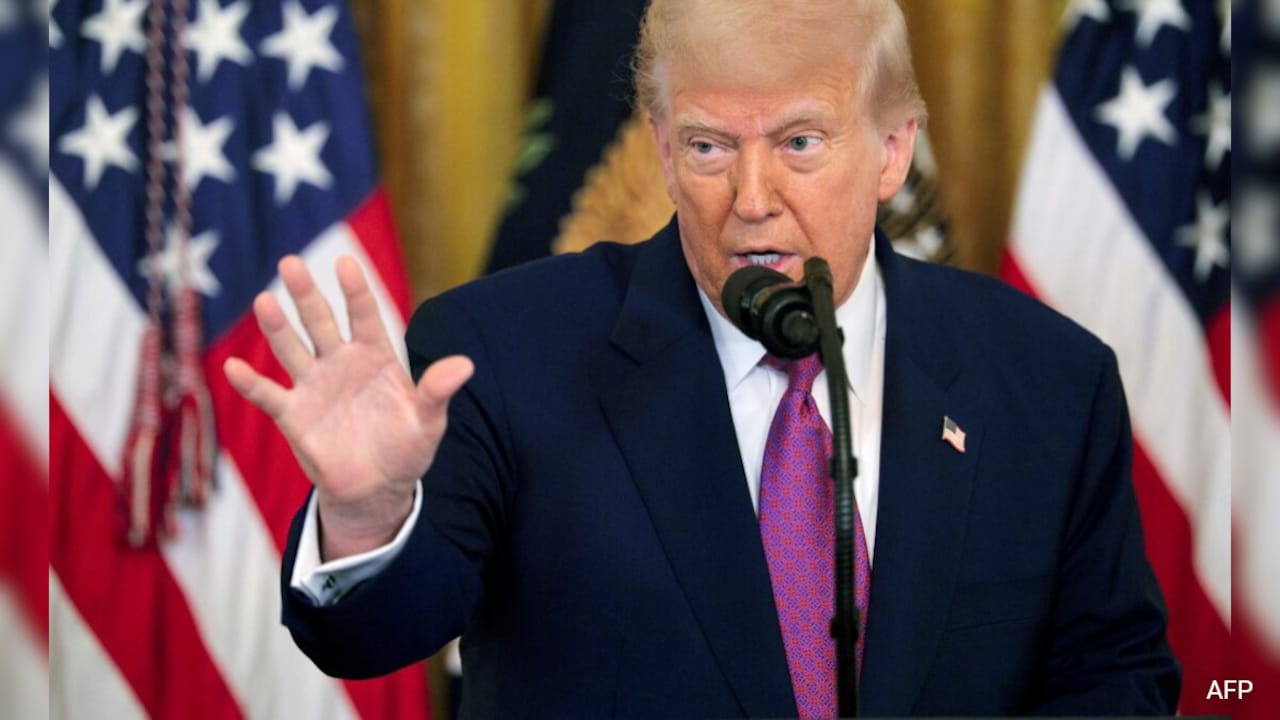
President Donald Trump signed a proclamation that completely bypassed immediate tariffs. The Commerce Department's probe formally concluded that heavy reliance on foreign supply chains poses a genuine risk to national security. Commerce Secretary Howard Lutnick openly warned about counterfeit parts and quality control issues among overseas suppliers. Yet, despite those alarming findings, the administration chose to hold its fire.
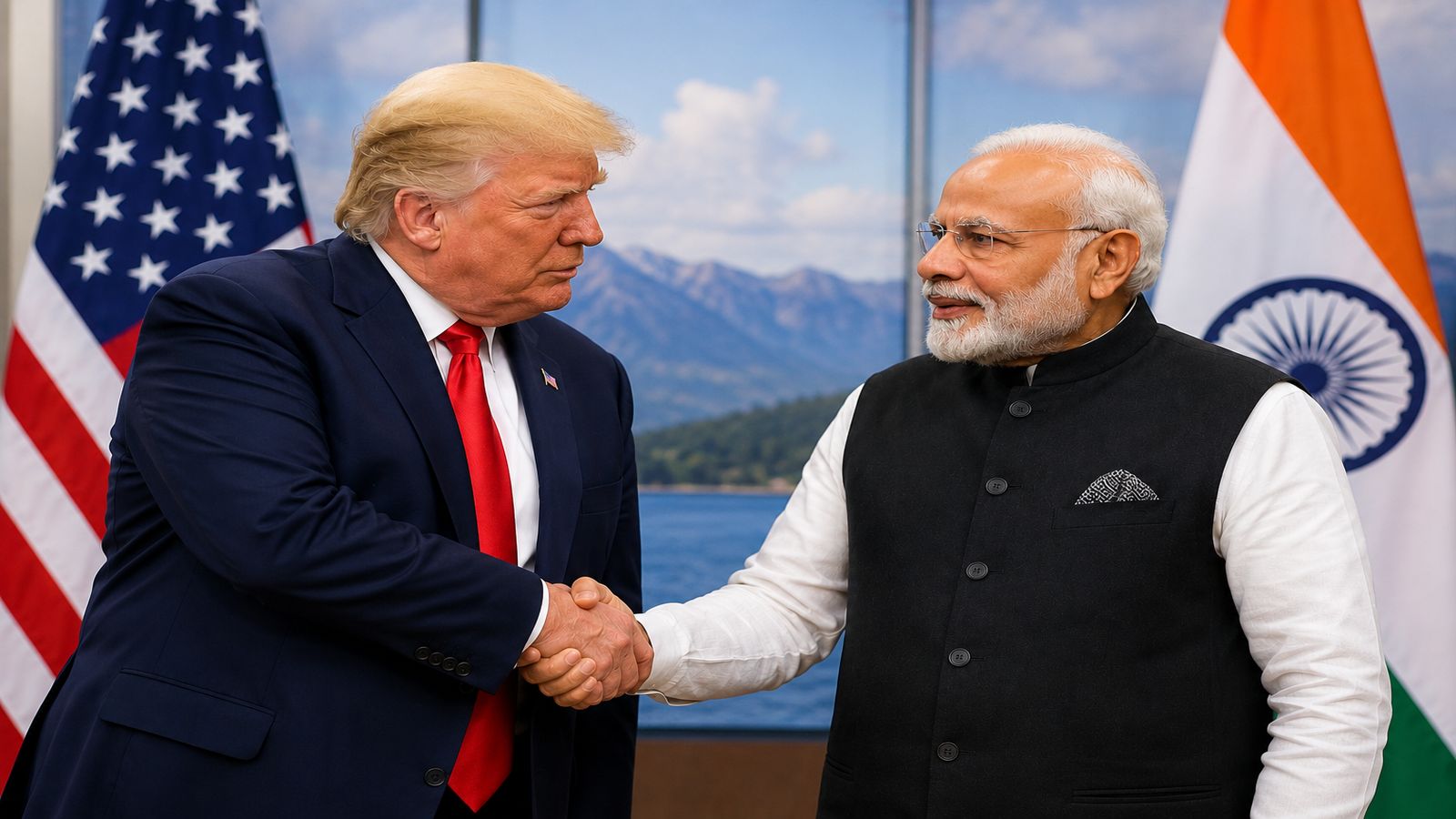
Instead of slamming imports with taxes at the border, the White House ordered the Trade Representative and the Commerce Department to launch a 180-day negotiation window with global trading partners. If you're wondering why a notoriously pro-tariff administration chose diplomacy over economic warfare this time, the answer lies in the fragile reality of modern aerospace manufacturing.
The Aerospace Supply Chain Is Intentionally Global
You can't build a modern commercial airliner using parts from just one country. It's practically impossible. The global aviation ecosystem relies on deeply integrated, cross-border networks that took decades to build.
The Commerce Department's report complains that foreign competition forces U.S. companies to keep wages stagnant and outsource manufacturing. That might be true on paper, but the operational reality is far more complex. Even Boeing, the crown jewel of American manufacturing, relies heavily on international suppliers for everything from wing structures to advanced avionics.
If the administration had moved forward with immediate tariffs on aircraft parts and jet engines, it wouldn't have just penalized European rivals like Airbus. It would have choked Boeing's domestic assembly lines.
Consider what happens when you tax a critical component like a jet engine.
- Production costs spike instantly.
- Domestic aerospace firms face immediate backlogs.
- The financial burden gets passed straight down the line to commercial carriers.
Airlines like Delta previously warned that aggressive aviation tariffs would directly lead to higher ticket prices for consumers and chaos across logistics chains. By choosing negotiations over immediate border taxes, the administration acknowledged a hard truth. You can't rebuild a domestic industrial base overnight by punishing the companies that rely on global parts to survive.
The Ghost of the 1979 Civil Aircraft Agreement
The global aviation trade operates under a unique set of rules that most other industries don't have to worry about. Since the 1979 Civil Aircraft Agreement took effect, commercial airplanes and components have largely moved across borders entirely tariff-free.
This treaty changed how aerospace companies invest. It allowed American aerospace firms to build a massive global presence, historically yielding a massive annual trade surplus for the U.S. sector. Turning away from a decades-old multi-nation agreement isn't as simple as rewriting a domestic tax policy.
Furthermore, the timing of this Section 232 probe coincided with delicate trade dynamics between Washington and Brussels. The European Union and the U.S. only recently managed to extend suspensions on retaliatory tariffs stemming from the ancient Boeing-Airbus subsidy dispute. Slapping new national security tariffs on aircraft right now would have instantly blown up those fragile diplomatic agreements, triggering a fresh round of retaliatory taxes on American agricultural and industrial exports.
What the Six Month Clock Means for Aerospace Execs
Don't mistake this tariff pause for a permanent white flag. The administration didn't abandon its trade agenda; it just shifted the timeline.
The newly signed proclamation gives the U.S. Trade Representative exactly 180 days to extract concessions from foreign trading partners. The goal is to force international jurisdictions to reduce market interventions, address supply chain vulnerabilities, and help diversify production away from adversarial nations.
If these negotiations fail to yield a deal within six months, the president retains the explicit authority under Section 232 to implement direct import adjustments, which absolutely includes tariffs.
For corporate strategists, airline executives, and supply chain managers, the playbook for the next half-year requires immediate, practical action.
First, conduct a thorough audit of your tier-one and tier-two component suppliers. Identify every critical part sourced from regions currently locked in trade friction with the U.S.
Second, map out the compliance and financial impact of a potential 15% to 25% tariff on those components. The threat hasn't vanished; it's simply on a timer. Use this six-month window to identify alternative domestic or allied-nation suppliers for high-risk parts, particularly electronic components and engine assemblies where quality control and counterfeiting concerns were explicitly flagged by the Commerce Department.
The White House chose a calculated pause because the immediate economic fallout of an aviation trade war was too high to ignore. But the clock is ticking, and the industry has until early next year to prepare for whatever happens when the negotiation window slams shut.