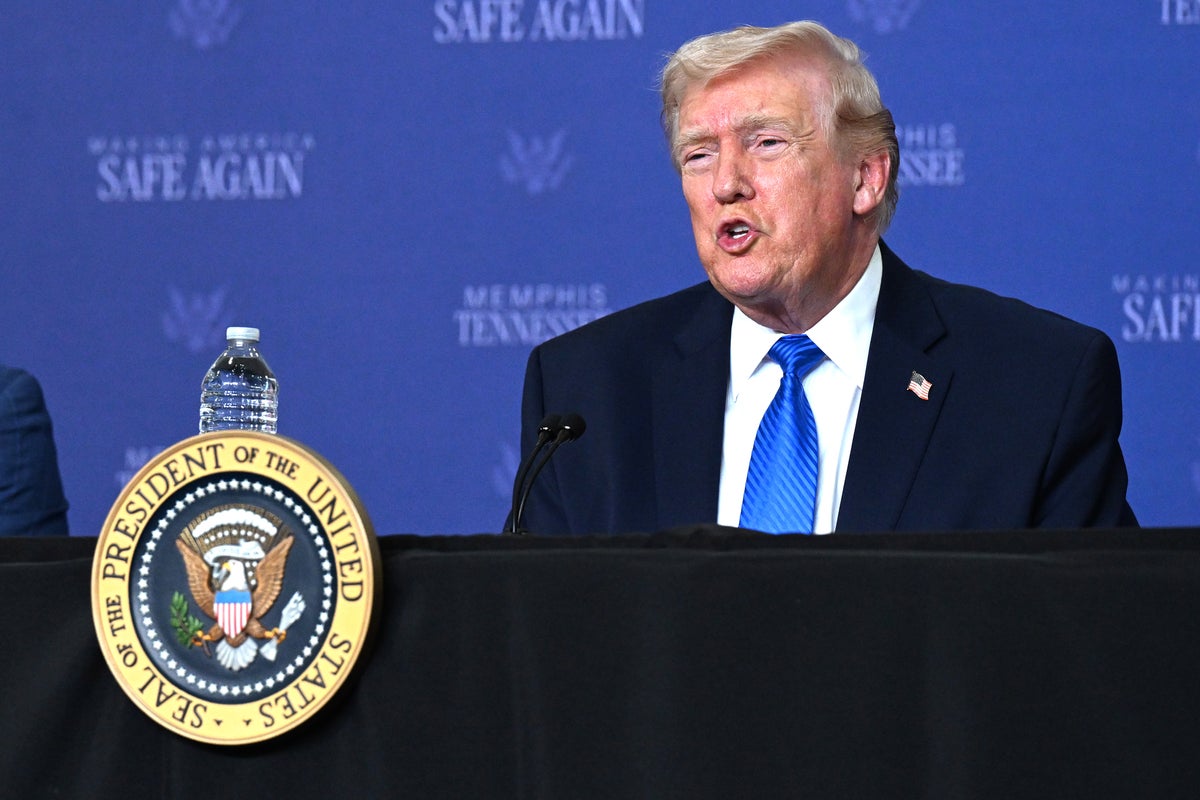
The headlines are dripping with predictable, manufactured sentimentality. Reports indicate the White House is weighing a plan to grant "250 pardons for 250 years" to mark America’s upcoming semiquincentennial. The media is already swallowing the hook, framing this as a historic act of mercy, a poetic alignment of criminal justice reform and national celebration.
It is nothing of the sort.
The "250 for 250" concept is a cynical, mathematically arbitrary PR stunt that treats constitutional clemency like a corporate anniversary giveaway. By tying the fundamental liberty of human beings to a neat, marketable milestone, the administration is not fixing a broken system. They are mocking it. True clemency is an essential constitutional safety valve meant to correct systemic judicial failures, not a holiday party favor.
When you look past the glossy press releases, the reality of federal clemency exposes a much darker truth about how Washington handles criminal justice.
The Myth of the Imperial Benevolent President
The lazy consensus among political commentators is that a mass pardon wave demonstrates a bold, progressive use of executive power. We are conditioned to view presidential clemency through a Hollywood lens: a lonely leader in the Oval Office, burning the midnight oil, deeply moved by the tragic file of a reformed citizen, signing a decree that rectifies a grave injustice.
Let’s dismantle that illusion right now.
I have watched administrative bodies handle executive actions for years, and the machinery behind these decisions is entirely risk-averse, bureaucratic, and deeply transactional. The Office of the Pardon Attorney within the Department of Justice handles the actual vetting. This creates a glaring, systemic conflict of interest. The very department that spends billions of dollars prosecuting federal defendants is tasked with deciding who deserves mercy. It is the equivalent of asking a prosecutor to write the defense’s appeal.
When an administration announces a round number like "250 pardons," they are working backward from a marketing goal. They aren't looking for the 250 most deserving cases. They are looking for 250 cases that fit a specific political narrative while carrying absolutely zero political risk.
This creates a highly curated list of non-violent, often decades-old offenses where the applicant is either elderly, terminal, or already free. It does nothing to address the thousands of individuals currently serving draconian sentences due to outdated mandatory minimums.
The Math of Mercy Doesn't Care About Anniversaries
To understand how hollow this initiative is, we need to look at the sheer scale of the federal prison system and the historical backlog of clemency petitions.
According to data from the Department of Justice, there are routinely over 10,000 active, pending petitions for commutations and pardons sitting on the desk of the Pardon Attorney at any given time. During some administrations, that backlog has ballooned to over 14,000.
Let's look at the actual numbers:
| Administration Era | Pending Clemency Petitions (Average) | Actual Granted Annually (Average) | Percentage of Relief Granted |
|---|---|---|---|
| Modern Executive Average | 12,000+ | < 150 | ~1.2% |
| The Proposed "250" Stunt | 10,000+ | 250 (One-time) | ~2.5% |
A one-time drop of 250 pardons clears less than 3% of the current backlog. It is a drop of water in an ocean of institutional neglect. If a corporation boasted about resolving 2.5% of its backlogged customer complaints to celebrate its anniversary, shareholders would revolt. Yet, when the federal government does it with human lives, the public applauds.
The fundamental flaw here is the gamification of justice. If 500 people meet the criteria for clemency, denying 250 of them simply because the country isn't turning 500 years old is morally bankrupt. Conversely, if only 100 people genuinely meet the standard, inventing 150 more to satisfy a copywriter's headline subverts the integrity of the process.
People Also Ask: Dismantling the Clemency Narrative
To truly understand how deep the misinformation goes, we have to look at the questions people routinely ask about this process and strip away the legal jargon.
Does a presidential pardon mean the recipient was innocent?
Absolutely not. Legally and historically, accepting a pardon implies a confession of guilt. In the landmark Supreme Court case Burdick v. United States, the court explicitly noted that a pardon carries an "imputation of guilt" and that acceptance is a confession of it. When the White House hands out these birthday pardons, they aren't exonerating people. They are forgiving them. For many individuals who were wrongfully convicted or ensnared by corrupt prosecutorial tactics, a pardon is an insulting consolation prize. They don't need forgiveness; they need the system to admit it was wrong.
Why can't the President just clear the entire non-violent drug offense backlog?
They can. The Constitution grants the Executive virtually unfettered power under Article II, Section 2 to grant reprieves and pardons for offenses against the United States. A President could, with a single stroke of a pen, issue a categorical commutation for every single federal inmate serving time under archaic crack-cocaine sentencing disparities. They don't do it because of political cowardice. Categorical clemency invites soft-on-crime attack ads during the next election cycle. A curated, aesthetic list of 250 hand-selected individuals allows them to claim the progressive high ground without taking any real political heat.
The Dark Side of the Contrarian Approach
If we reject the theater of the 250-pardon milestone, what is the alternative? The alternative is a total overhaul of the system: stripping the Department of Justice of its control over clemency, establishing an independent, non-partisan review board outside the executive branch, and instituting a rolling, algorithmic review of sentences that automatically flags anomalies.
But let’s be brutally honest about the downside of that approach. An independent, high-volume clemency pipeline would inevitably result in recidivism. If you release thousands of people, some will reoffend. That is a statistical certainty.
Under the current, ultra-sanitized "250 pardons" model, the White House staff can spend months vetting every single individual's social media, family background, and employment history to ensure they are the "perfect" recipient. It is a zero-risk strategy designed to protect politicians, not to scale justice. By demanding a system that actually works at scale, we must accept the reality of human error. Washington prefers the perfection of a tiny, useless sample size over the messy reality of genuine reform.
Stop Celebrating Symbolic Crumbs
This proposed birthday wave is a symptom of a broader disease in American governance: the substitution of symbolism for substance. We see it when politicians wear kente cloth instead of passing police reform, or when they rename federal buildings instead of fixing infrastructure.
The White House is counting on you to find the "250 for 250" concept charming. They want you to focus on the poetry of the number rather than the prose of the crisis.
If the administration actually cared about the legacy of American liberty on its 250th birthday, they wouldn't stop at a cute math equation. They would dismantle the Office of the Pardon Attorney, clear the 10,000-case backlog, and render their own unilateral, theatrical intervention obsolete.
Until that happens, don’t buy the hype. A system that rations mercy based on the calendar isn't celebrating liberty; it’s holding it hostage for a photo op.