The air in Tehran’s high-walled complexes does not move like the air in the streets. Outside, in the chaotic sprawl of the capital, there is the smell of exhaust, the roar of motorbikes, and the frantic energy of a million lives colliding. But inside the corridors of power, the atmosphere is heavy, sterile, and thick with the kind of silence that only exists when everyone is waiting for a heartbeat to falter.
Recent whispers regarding Mojtaba Khamenei’s health have turned that silence into a roar.
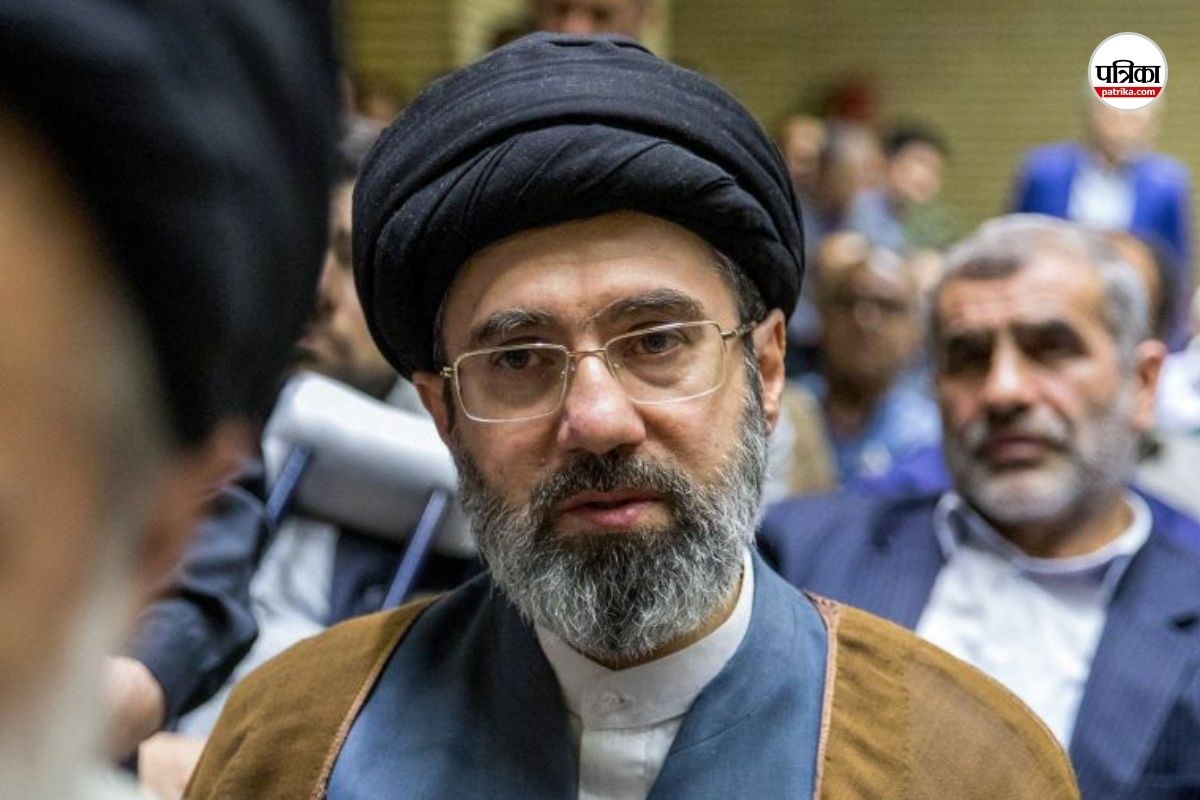
For decades, the second son of Iran’s Supreme Leader has been a shadow. He was the man you knew was there but rarely saw; the cleric who wielded immense influence over the security apparatus without holding an elected office. Now, as reports trickle out about his physical condition—amidst the backdrop of a simmering standoff with the United States—those shadows are lengthening.
The pulse of a nation is often tied to the health of its patriarchs. In Iran, this is not just a matter of medical bulletins; it is a matter of survival. When a leader’s health becomes a question mark, the vacuum it creates is immediately filled by the ambitions of rivals and the anxieties of a population that has known only one architectural reality for thirty-five years.
The Shadow in the Room
Imagine a room where the map of the Middle East is spread across a heavy wooden table. On one side sits the aging Supreme Leader, Ali Khamenei. On the other, the gears of the Islamic Revolutionary Guard Corps (IRGC) turn with mechanical precision. Mojtaba has long been the oil in those gears. He is not merely a son; he is a bridge.
But bridges can crack.
The updates regarding Mojtaba’s health are sparse, guarded with the ferocity of a state secret. In a system where transparency is viewed as a vulnerability, every cough or absence from a public meeting is dissected by intelligence agencies from Langley to Tel Aviv. If Mojtaba is sidelined, the carefully constructed plan for a stable succession begins to look like a house of cards in a windstorm.
History tells us that transitions of power in revolutionary states are rarely poetic. They are visceral. They happen in the middle of the night. They involve sudden phone calls and the quiet movement of armored vehicles to key intersections. By focusing on the medical charts of one man, we are actually looking at the structural integrity of an entire regional powerhouse.
The Washington Equation
Five thousand miles away, in the windowless rooms of the Pentagon and the State Department, planners are watching these health updates with a different kind of intensity. For the United States, a healthy Mojtaba Khamenei represents a known quantity—a hardliner, certainly, but a predictable pillar of the current establishment.
An unstable succession, however, is a wild card.
The tension between Washington and Tehran has often been described as a "cold war," but that implies a level of stability that doesn't exist. It is more like a high-stakes game of poker played in a dark room where the players are starting to lose their sight. If the man groomed to take the mantle is suddenly incapacitated, the Iranian leadership may feel the need to project strength through aggression. Weakness at home often leads to theater abroad.
Consider the perspective of a mid-level Iranian bureaucrat. You have spent twenty years aligning your career with the "Office of the Supreme Leader." You have gambled your family’s future on the permanence of the Khamenei line. Suddenly, rumors circulate that the heir-apparent is unwell. Your morning coffee tastes like ash. You begin to wonder who else has been watching the same medical reports and which way they will jump when the time comes.
The Weight of the Turban
There is a human cost to being a symbol. Mojtaba Khamenei has lived a life where his private health is public property, yet his public life is a private mystery. To be the son of a revolutionary icon is to be born into a cage made of gold and expectations. You are not allowed to be tired. You are not allowed to be ill.
Yet, biology is the ultimate democratizer. It does not care about religious credentials or the number of ballistic missiles in your silos.
The struggle for the "Velayat-e Faqih"—the Guardianship of the Jurist—is essentially a struggle against time. The elder Khamenei is in his mid-80s. The death of President Ebrahim Raisi in a helicopter crash earlier this year didn't just remove a loyalist; it removed the primary "Plan A" for succession. That left Mojtaba as the singular, glaringly obvious choice.
Then came the reports of his own health struggles.
Suddenly, the "Plan B" is also under threat. This creates a psychological pressure cooker. When a regime feels cornered by both external sanctions and internal fragility, its decision-making process shifts from long-term strategy to immediate survival. This is when mistakes happen. This is when a stray spark in the Persian Gulf can turn into a conflagration.
The Invisible Stakes
Why should someone in a small town in the American Midwest or a suburb in London care about the gallbladder or the heart of a cleric in Tehran?
Because the world is a web.
If Iran descends into a succession crisis, oil markets react within minutes. If the IRGC feels its grip slipping because the leadership transition is messy, they may accelerate their nuclear program to create a "shield" of perceived invincibility. The health of Mojtaba Khamenei is not a medical story; it is a global security briefing disguised as a biography.
We often talk about geopolitics as if it were a game of chess played by stone-faced grandmasters. It isn't. It is played by aging men with chronic back pain, by sons who are exhausted by the weight of their fathers' legacies, and by advisors who are terrified of being on the wrong side of a purge.
The human element is the only element that matters.
The updates we see today—vague, cryptic, and filtered through a dozen layers of propaganda—are the first ripples of a coming tide. Whether Mojtaba recovers or recedes, the aura of invincibility surrounding the succession has been punctured. The myth of the seamless transition died the moment the word "health" was mentioned in the same sentence as his name.
Down in the streets of Tehran, the people go about their business. They buy bread, they argue over the price of tomatoes, and they look up at the Alborz Mountains. They know that whatever happens in those quiet, sterile corridors will eventually wash down into their lives, changing everything while explaining nothing.
The heartbeat of a single man in a guarded room remains the most volatile variable in the world. As the sun sets over the Milad Tower, casting long, distorted shadows across the city, the silence in the halls of power only grows deeper. Everyone is holding their breath, waiting to see if the shadow will rise, or if it will finally merge with the dark.