The Myth of the "Stirred Division"
Downing Street is clutching its collective pearls again. The British foreign policy establishment is currently in a state of high-minded panic over JD Vance’s public remarks regarding the UK’s trajectory, specifically his commentary on Europe, immigration, and the shifting geopolitical reality under a potential second Trump administration. Keir Starmer’s operation rushed out a boilerplate condemnation, lecturing the public about "people seeking to stir division" and insisting that the UK remains a robust, unified global player.
It is a comforting lie. It is also completely wrong.
What Westminster calls "stirring division" is actually a mirror being held up to a decaying state. The lazy consensus among British political elites is that diplomatic decorum matters more than structural reality. They believe that if everyone just plays nice, uses the correct Whitehall terminology, and attends the right summits, the fundamental rot in the British economy and social fabric will magically disappear.
Vance’s comments are not an unprovoked attack by a rogue foreign politician. They are a brutally accurate assessment of a country that has spent the last two decades substituting real economic growth with high-volume immigration, stagnant productivity, and a complete abdication of defense self-reliance. Downing Street isn't angry because Vance is wrong. They are terrified because he is right.
The Dependency Trap Westminster Refuses to Acknowledge
For decades, the UK has operated under a profound delusion: that it can maintain a first-rate global welfare state, a green energy transition, and a seat at the top table of international diplomacy on a third-rate economy.
When American conservatives look at the UK, they do not see the romanticized "Special Relationship" partner of the Thatcher-Reagan era. They see a cautionary tale.
The Productivity Collapse
British productivity has been flatlining since the 2008 financial crisis. Workers in the US generate significantly more output per hour than their UK counterparts. Instead of fixing the underlying causes—underinvestment in infrastructure, a punitive planning system, and a tax burden at a multi-decade high—successive British governments have used mass immigration as a macroeconomic cheat code to artificially inflate GDP headlines while GDP per capita stagnates.
The Defense Free-Rider Problem
The UK prides itself on being one of the few NATO members to consistently hit the 2% defense spending target. But look closer. That 2% is a statistical illusion cooked up by including pensions and bureaucratic overhead that have zero combat utility. The British Army is currently at its smallest size since the Napoleonic era. If a major conventional conflict kicked off tomorrow, the UK would run out of ammunition and high-end munitions within a week.
"The hard truth that Washington insiders whisper but politicians rarely say out loud: Europe, including the UK, has subcontracted its security to the American taxpayer while lecturing America on moral superiority."
Dismantling the Premise of "Diplomatic Decorum"
The British press is obsessed with the question: How will this affect the Special Relationship?
This is entirely the wrong question to ask. The real question is: Why does the UK believe it is entitled to a special relationship when it brings so little to the table?
Geopolitical Reality Check:
[US Tech & Energy Dominance] ---> Demands hard power and economic alignment.
[UK Political Strategy]      ---> Offers high taxes, over-regulation, and empty rhetoric.
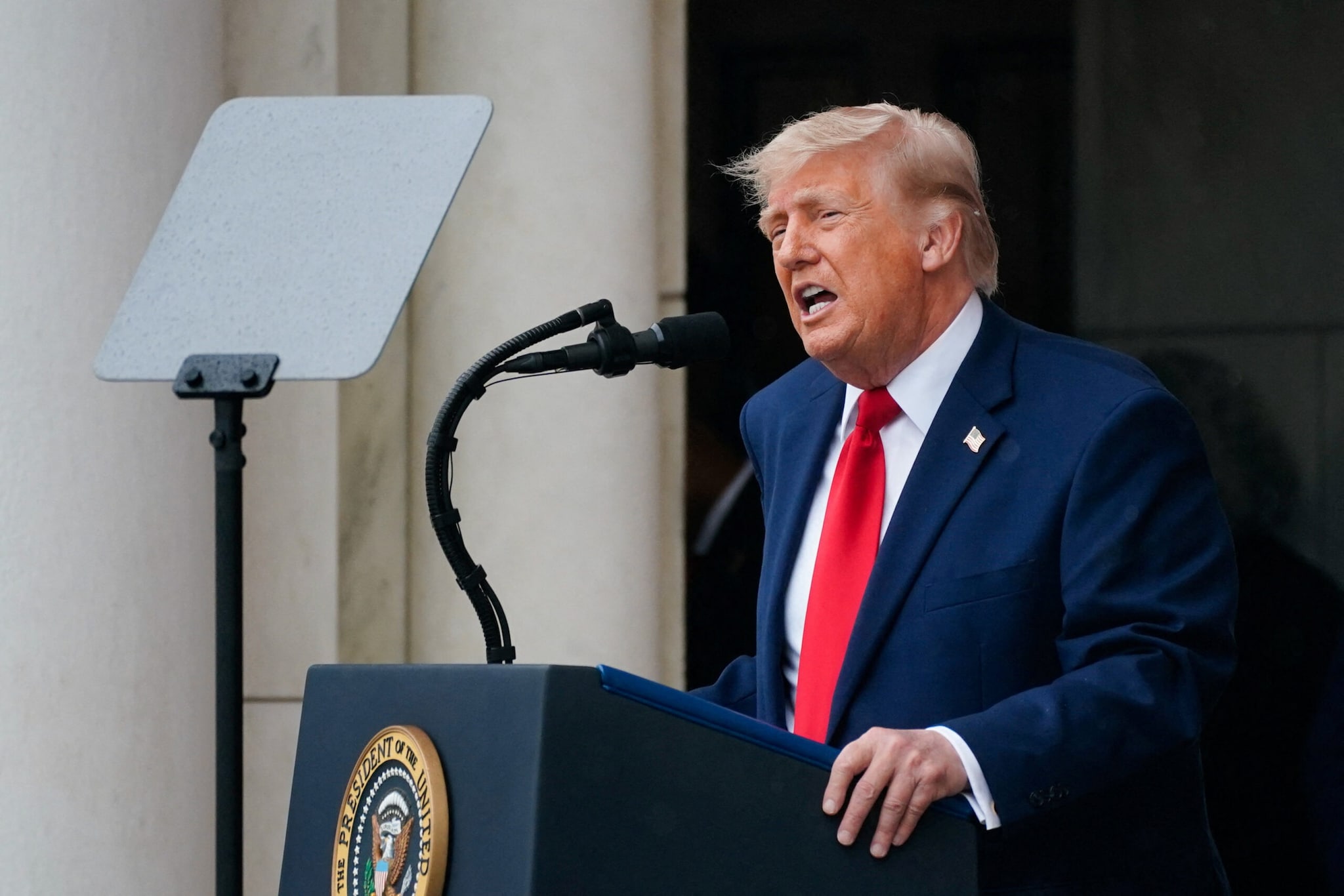
The establishment believes that diplomacy is a game of manners. If Vance or Donald Trump uses blunt language, it is viewed as a failure of etiquette. But modern populism—and the hard-nosed realism that drives the new American right—does not care about etiquette. It cares about leverage, competence, and return on investment.
When Downing Street dismisses criticism as "divisive," they are trying to pathologize disagreement. It is a classic bureaucratic defense mechanism: if you cannot disprove the substance of the critique, attack the tone of the critic.
The Real Risk of the Status Quo
Let’s run a thought experiment. Imagine a scenario where the US decides to tie its intelligence sharing, technological cooperation, and trade agreements strictly to a partner's domestic economic freedom and defense output. Under its current trajectory, the UK fails on every metric.
- The UK has effectively banned native shale gas exploration while relying on imported liquefied natural gas (LNG) from the US and Qatar.
- The UK’s regulatory state, heavily influenced by EU-legacy frameworks, is actively hostile to tech innovation, AI development, and capital accumulation.
- The British state now consumes over 44% of GDP, crowding out private sector dynamism.
If the UK continues to dismiss American skepticism as mere "divisive rhetoric," it risks waking up to a world where the Special Relationship is formally downgraded to an asymmetric dependency. The UK needs the US far more than the US needs the UK. Pretending otherwise is not patriotism; it is malpractice.
Stop Defending the System, Start Fixing the Fundamentals
The standard playbook for British politicians visiting Washington is to give a speech at a think tank about shared values, democracy, and the rules-based international order. No one in America cares anymore. The American political center of gravity has shifted from the Atlantic to the Pacific, and from the neoconservative consensus to a cold-eyed transactionalism.
If Britain wants to command respect in Washington, it needs to stop acting like a vulnerable NGO that needs protection from mean tweets and internet commentary.
Stop managing decline through public relations campaigns. Stop treating high-volume immigration as a substitute for capital investment. Stop pretending a hollowed-out military is a global peacekeeping force.
The only way to neutralize the critique of outsiders like Vance is to make the critique inaccurate. Until the UK builds a high-growth, energy-independent economy backed by genuine military capability, every lecture from Downing Street about "unity" and "division" will just sound like a cry for help from a dying empire.