Flags snap in the late summer humidity. Heavy bass rattles the chest cavities of everyone standing on Eastern Parkway. That is the sound of survival.
If you think the West Indian Day Parade is just another chaotic street party in Brooklyn, you are missing the entire plot. For New York City's Haitian community, this annual ritual carries a weight that gets heavier every single year. It is not just about dancing or wearing bright feathers. It is about planting a flag in concrete and shouting to a city that often tries to ignore you: We are here, we are not going anywhere, and our culture survived worse than this.
The Reality Behind The Glitter
Let us skip the sanitized version of the parade that you see on local news broadcasts. Behind the floats and the rum stands a community bleeding from news cycles back home and hostile political rhetoric right here in the United States. Haiti remains trapped in a brutal cycle of gang violence, political vacuum, and economic collapse. Families living in Brooklyn spend their days refreshing news feeds, trying to reach relatives in Port-au-Prince who might not have electricity, clean water, or safe streets.
When September rolls around, that collective anxiety finds a release valve.
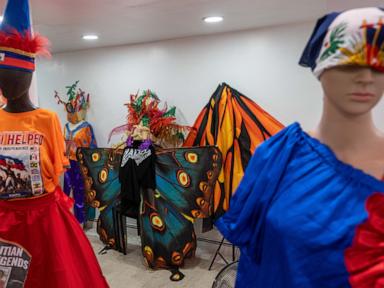
It is heavy. People don't just put on cultural garb to look nice; they wear it as armor. They carry Haitian flags high because those same flags have been dragged through political mud in national media debates. When you watch a second-generation Haitian-American kid bang a drum or wave a banner along the parkway, they are participating in an act of active resistance against erasure.
Reclaiming Space In Brooklyn
Brooklyn has changed rapidly over the last two decades. Gentrification pushes immigrant communities out to the margins, squeezing rent-burdened families further into Queens or out of the city entirely. Flatbush and Crown Heights used to be undisputed cultural hubs. Now, shiny high-rises loom over traditional bakeries selling paté kreyòl.
The West Indian Day Parade serves as a massive, immovable reminder of who built the foundation of these neighborhoods.
- Economic Impact: Haitian-owned small businesses—from taxi drivers to caterers and boutique owners—rely on this single weekend for a massive financial boost.
- Political Clout: Elected officials show up in droves, kissing babies and waving flags, because they know the Haitian vote carries massive weight when organized.
- Intergenerational Bonding: Elders use the chaos of the parade to pass down oral histories to kids who were born in Brooklyn and have never stepped foot in Haiti.
You cannot price tag that kind of cultural preservation. It costs real money, real sweat, and real organization to pull off a J'ouvert morning march or a parade float. Yet, the community makes it happen every single year, pooling resources when municipal permits get harder to secure and police surveillance gets tighter.
Fighting The Noise With Joy
Public perception of Haitian people in America has taken a beating lately. Baseless political smears and xenophobic talking points dominate cable news, painting a proud, resilient population with broad, ugly strokes. It wears on people. It makes teenagers second-guess their heritage at school. It makes working adults tense up when they speak Creole in public.
That is why the parade matters more now than it did ten years ago.
Joy is a weapon. Loud, unapologetic, vibrant Caribbean joy shuts down the noise. When thousands of people flood the streets of Brooklyn chanting, drumming, and eating together, they rewrite the narrative. They stop being tragic subjects of a foreign policy failure and start being cultural titans celebrating their roots.
If you want to understand New York, you have to understand this dynamic. The city takes from immigrant communities constantly—their labor, their taxes, their food, their music—while occasionally trying to legislate them out of existence. But on Labor Day, the streets belong entirely to the diaspora.
Support Haitian-owned businesses in your neighborhood not just in September, but all year round. Donate to grassroots organizations on the ground in Haiti that are actually run by locals rather than massive international NGOs. Listen when people tell you what is happening in their homeland instead of relying on lazy headlines. Keep showing up.