When a gray car with Israeli license plates pulled up on a dusty hill in Jalud, the NBC News team didn't think twice. They were standing with 51-year-old Aida Ahmed Abdullah, listening to her talk about how she and her family had been forced out of their home. Seconds later, masked men leaped out with clubs and rocks.
The ambush left international correspondent Matt Bradley struck twice in the arm, shattered a car windshield, and sent Abdullah to the hospital unconscious. It was violent, it was brazen, and it was caught on tape. Yet for anyone who has tracked the occupied West Bank over the last few years, it wasn't surprising. It was simply the latest chapter in an escalating campaign of impunity.
The Anatomy of a West Bank Ambush
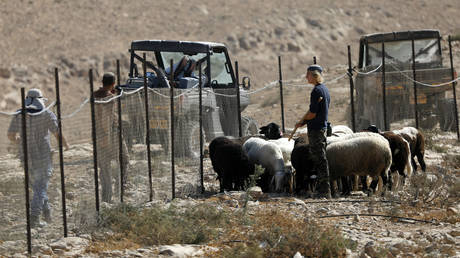
Let's look at what actually happened on that Saturday near Nablus. The crew wasn't wandering into a frontline combat zone or dodging crossfire. They were in a Palestinian village documenting land displacement.
According to producer Lawahez Jabari, the attackers carried sticks, and at least one brandished a firearm. They didn't hang around to negotiate or argue. They jumped out, beat their targets, smashed equipment, and sped off before security forces could blink.
- The Targets: An NBC crew consisting of Bradley, Jabari, cameraman Khaldoon Eid, a local driver, and Aida Ahmed Abdullah.
- The Injury Toll: Multiple crew members treated for bruises and cuts; Abdullah hospitalized with non-life-threatening injuries.
- The Response Pattern: Immediate condemnation from press watchdogs like the Foreign Press Association, followed by predictable statements from Israeli leadership.
Camera operator Khaldoon Eid put it bluntly after the attack. They didn't expect a daylight assault right in the middle of a civilian area. But that calculation ignores how aggressive settler behavior has shifted across the territory.
Beyond the Official Condemnations
Prime Minister Benjamin Netanyahu was quick to denounce the violence, blaming what he called "a handful of rioters" who damage Israel's international standing. Prime minister statements sound nice in press briefings, but they ring hollow on the ground.
Human rights monitors and United Nations bodies have tracked unprecedented surges in West Bank violence since late 2023. This isn't a rogue fringe acting against the grain. It's a systemic failure of enforcement. When masked groups can roam hillsides, blockade water and supplies, and assault foreign media crews with near-total confidence that arrests won't follow, the distinction between state policy and vigilante action blurs completely.
CNN's Jerusalem correspondent Jeremy Diamond called the incident horrific, echoing widespread alarm among international press corps. When reporters holding cameras become fair game, the objective is clear. Make the reporting too dangerous to continue. Drive out the witnesses. Clear the land.
What Happens When the Cameras Leave
The real story isn't just that an American news crew got roughed up by extremists. It's what happens to the people who don't have a satellite truck or a security detail when the cameras pack up and head back to Jerusalem.
Abdullah's struggle to reclaim her home in Jalud represents thousands of similar displacements happening quietly away from the headlines. As settlement expansion pushes forward under government backing and promises of increased immigration, local families face daily intimidation designed to break their resolve.
You can track the statements, read the UN tallies, and watch the video clips loop on social media. None of it alters the core reality of the West Bank today. The rules have broken down, protection for Palestinians is non-existent, and even the people recording the history are now primary targets.
If you want to understand the trajectory of the region, stop listening to the political posturing. Look at the dirt roads of Jalud. Watch the masked men get back into their cars and drive away unchallenged. That is where the actual policy is written.