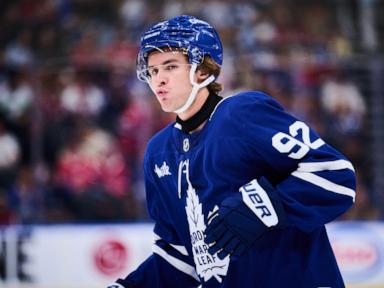
When Gavin McKenna walked onto the ice at Scotiabank Arena bearing the crushing weight of the first overall selection, he did not merely join the Toronto Maple Leafs. He stepped directly into a crossfire of media saturation, historical expectations, and an impatient fan base that has spent decades weaponizing nostalgia against the present.
The story surrounding the 2026 NHL rookie class is routinely framed as a celebratory coronation. League executives smile for cameras, pundits talk about an injection of dynamic youth, and casual observers point to the sheer volume of high-end skill entering the ecosystem. Yet this superficial optimism masks a much more volatile reality. Rookies like McKenna, San Jose's Ivar Stenberg, and Philadelphia's Porter Martone are entering a hyper-analyzed league where every defensive zone turnover is clipped, evaluated, and weaponized on social media within seconds of the final horn.
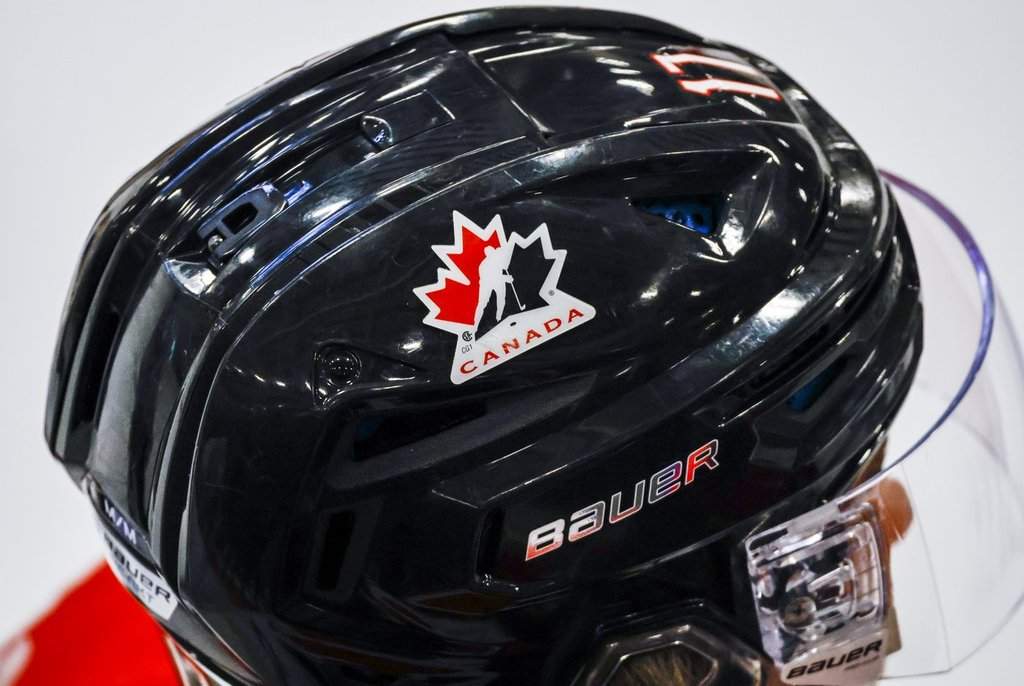
To understand why this specific freshman cohort matters, one must look past the glowing highlight reels and examine the structural shift in how young players are prepared. McKenna's path—winding from the Yukon territory through junior powerhouse Medicine Hat and a high-stakes stint in the NCAA with Penn State—represents a modern manufacturing line of hockey excellence. Elite prospects no longer simply coast on raw physical gifts; they arrive in the show having faced professional-grade systems, nutrition protocols, and tactical video sessions before they can legally rent a car.
Yet preparation does not equal immunity. Toronto is a market uniquely capable of chewing up young talent and spitting out the remnants. When a franchise hasn't tasted ultimate team success in generations, the collective anxiety of the city settles squarely onto the shoulders of teenagers. Every shift is dissected with microscopic intensity. When McKenna logs sub-fifteen minutes of ice time or hits a mid-autumn rookie wall, the panicked radio talk shows begin questioning the decision-making of the entire front office.
This environment creates a stark divide between the romanticized narrative of the rookie class and the grinding physical truth of an eighty-two-game schedule. The transition from dominating junior or collegiate competition to battling veteran NHL defensemen who cross-check with impunity is violent and unsparing. Stenberg faces a parallel baptism of fire in San Jose, where a rebuilding roster demands that he learn on the fly while absorbing the physical toll of top-six minutes. Martone in Philadelphia encounters a similarly demanding culture, where a gritty playoff-hungry fanbase expects immediate dividends from a power forward frame.
The Myth of the Instant Savior
We have grown addicted to the narrative of the immediate franchise-changer. Ever since generational talents redefined what is possible in a teenager's first professional winter, every top draft pick is subjected to an impossible benchmark. If a player does not secure a spot among the league's top scorers by November, the narrative shifts from high-ceiling potential to premature disappointment.
This linear expectation ignores the biological and tactical realities of professional hockey. An eighteen-year-old body is still filling out. Muscle mass accumulates slowly under the stress of professional travel schedules, back-to-back games, and relentless body contact along the boards. When a player like McKenna experiences a negative plus-minus rating or a multi-game pointless drought, it is rarely a failure of character or work ethic. It is simply the friction of a rookie learning how to manipulate time and space against defenders who have mastered the dark arts of gap control.
Consider the tactical adjustment required at the game's highest level. In major junior or college hockey, elite players can rely on superior athletic traits to outskate mistakes. In the NHL, defensive structures are tighter, goaltenders occupy angles with ruthless efficiency, and checking lines are specifically deployed to neutralize transition offense. A clever entry pass that succeeded nine out of ten times in the CHL is intercepted and turned into an odd-man rush against the Maple Leafs in the blink of an eye.
Navigating the Fishbowl
The mental aspect of playing in a Canadian hockey epicentre remains the ultimate separator. Veterans can tune out the noise, lean on established routines, and ignore the morning papers. For a rookie, insulating oneself from the external chatter requires a maturity that few seventeen or eighteen-year-old humans possess.
Coaching staffs attempt to manage this pressure by preaching internal process over external metrics. They whisper about shifting focus toward structural habits, defensive-zone exits, and puck management rather than raw point production. But these quiet messages struggle to survive the deafening roar of a disappointed arena or the scrolling feed of a digital device in the post-game locker room.
The structural demands placed on McKenna are symptomatic of a broader transformation in how hockey evaluates value. Teams covet dynamic offensive creativity, yet they demand defensive accountability from the opening faceoff. This dual mandate creates an internal conflict for young forwards who built their junior reputations on high-risk, high-reward plays. When a coach benches a rookie for a risky cross-ice turnover, a psychological battle begins between the instinct that made the player elite and the caution required to survive in the professional ranks.
The True Measure of the Class
As the season grinds through its freezing winter months, the initial shiny veneer of the rookie class fades into the background noise of the broader playoff race. The headlines will inevitably shift toward veteran trade deadlines, goaltending slumps, and Stanley Cup positioning.
For McKenna and his peers, success will not be defined by whether they capture individual rookie hardware in June. It will be measured in resilience. The defining question for this generation is whether they can absorb the inevitable structural failures of their early months, adapt their skill sets to the grim realities of professional defending, and emerge on the other side as true pillars of their respective franchises.
The spotlight in Toronto will not dim. The scrutiny will only intensify as the games grow heavier and the margins shrink. Whether the narrative surrounding these young skaters hardens into a story of triumphant adaptation or cautionary burnout depends entirely on how quickly they learn that survival in the modern league requires abandoning the comfort of raw talent and embracing the unglamorous mechanics of daily execution.
The noise outside the glass continues to rise, but the game itself remains remarkably simple for those ruthless enough to tune it out