The stadium smells of spilled beer, wet concrete, and the sharp, metallic tang of sudden heartbreak. When the final whistle blows, it does not just end a game. It cuts a wire. The noise drops from a deafening roar to a low, rhythmic hum of thousands of people trying to process how a Saturday night collapsed into a quiet walk back to the parking lot.
Guillermo Martínez stands near the center circle. His hands rest on his hips. His jersey, soaked in sweat and stained with grass, feels heavier than it did two hours ago. People call him Memote. The nickname sounds big, sturdy, and unyielding, much like his six-foot-three frame. But right now, standing under the harsh glare of the stadium floodlights, he looks human. Stripped of the armor of momentum, a striker after a loss is one of the loneliest sights in modern entertainment.
For a professional athlete, the easiest path after a defeat is a quick exit. The tunnel is right there. It offers a straight line to the locker room, a hot shower, and a private space where the cameras cannot track the micro-expressions of failure. It is a sanctuary shielded from the judgment of the people who paid a day’s wages to watch you fail.
But Martínez does not run. He turns toward the stands.
To understand why he stays, you have to understand the invisible contract signed every weekend between the pitch and the bleachers. It is a bond that goes far beyond tactical formations or box scores.
The Anatomy of a Ninety-Minute Escape
Consider a hypothetical spectator. We will call him Carlos. Carlos works forty-eight hours a week at a logistics firm on the edge of the city. His Saturdays are precious, carved out from a life of routine, traffic, and bills. When he buys a ticket, he is not just purchasing ninety minutes of physical theater. He is buying an investment in an emotional outcome. He wants to feel part of something larger than a suburban commute.
When the team loses, Carlos does not just lose a match. He loses his weekend anchor. The Monday morning conversation at the coffee machine changes shape. The air feels a little colder.
Martínez knows this. He knows it because his own career was not a golden path paved by early scouting reports and teenage sponsorships. He is a footballer who had to grind through the lower divisions, playing in half-empty stadiums where you can hear every individual insult thrown from the fence. He knows what it means to struggle for recognition, to wonder if the effort will ever match the reward.
When a late-bloomer finally reaches the top tier, they carry that memory in their muscle tissue. They look at the stands and they do not see a faceless mass of consumers. They see people who live the same precarious, hard-fought existence they just escaped.
So, when the whistle blows and the stadium turns sour, the instinct to hide battles with the obligation to witness.
The Bravery of Looking Up
"Tenemos que levantar la cara," Martínez muttered to the microphones later, his voice flat but steady. We have to lift our faces.
It sounds like a standard athletic platitude. We hear it in post-game press conferences across the world, delivered by media-trained millionaires who want to get back to their phones. But context changes the meaning of words. When you say it while looking directly into the section of the stadium where the hardcore supporters hang their banners, it becomes an act of accountability.
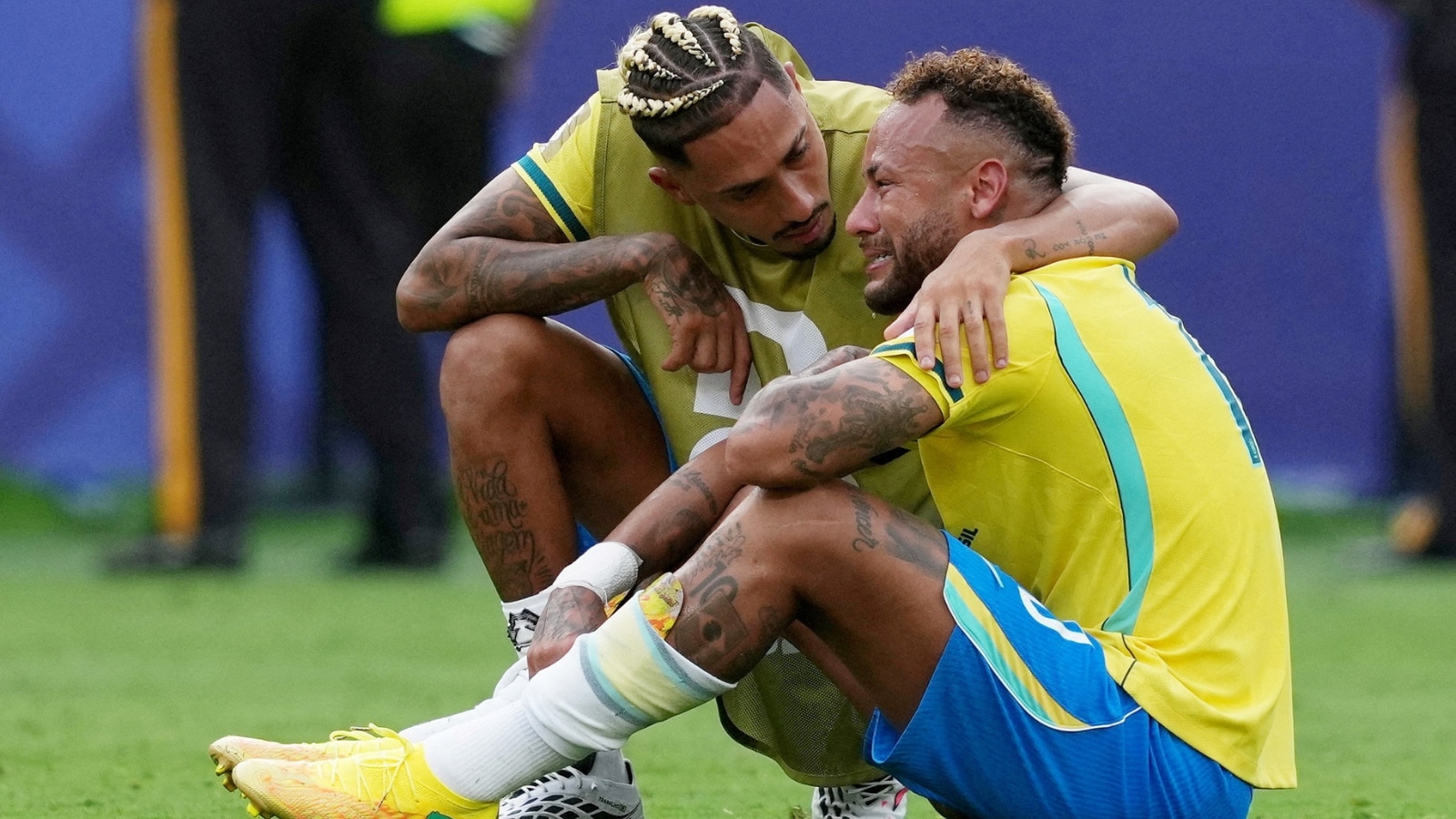
Lifting your face means refusing the comfort of shame. Shame makes you look at your boots. It makes you hunch your shoulders and slip away into the shadows. Looking up requires you to absorb the disappointment of the crowd visually. You have to watch the folded arms, the shaking heads, and the parents comforting kids who don’t understand why their heroes look so small.
It is an exchange of vulnerability. The fan shows their grief; the player shows their accountability.
Soccer is an strange ecosystem. It is an industry built on the commodification of loyalty. Teams sell shirts, television networks sell subscriptions, and corporations sell stadium naming rights. Yet, at the core of this multi-billion-dollar apparatus lies a completely unquantifiable emotion. You cannot manufacture the specific type of loyalty that makes a family drive three hours in the rain after a terrible performance just to be there for the next kickoff.
The danger for modern football is the widening chasm between the pitch and the pavement. Players live in gated communities, travel in tinted-window buses, and speak through public relations teams. The fans remain exactly where they have always been: on the concrete steps, breathing in the exhaust fumes of a city that moves too fast.
When a player like Martínez stops, turns, and forces his teammates to acknowledge the crowd, he is attempting to bridge that chasm. He is stating, without words, that the hierarchy of the stadium is a myth. Without the people in the upper deck, the men on the grass are just grown adults chasing a piece of synthetic leather across a lawn.
The Debt That Cannot Be Repaid
There is a specific kind of honesty that only comes after a definitive loss. When you win, everything is masked by the euphoria of the result. Bad passes are forgiven. Tactical errors are ignored. The celebrations drown out the flaws.
Loss clarifies everything. It strips away the hype and leaves only the raw materials of the club.
Martínez’s insistence on thanking the fans isn't about asking for forgiveness. It is an acknowledgment of a debt. The fans showed up; the team did not deliver the required result. The only currency available to a defeated athlete in that moment is respect. Not the performative respect of a social media post written by an agency on Monday morning, but the physical presence of standing under the lights when it hurts to do so.
Think about the physical reality of that moment. The muscles are cooling down, beginning to ache from the lactic acid built up over miles of sprinting. The adrenaline that masked the minor injuries—the clipped ankles, the bruised ribs—is draining away, replaced by the dull ache of exhaustion. The stadium lights seem brighter, harsher, exposing every slump of the shoulders.
But the act of standing there, face up, creates a strange sort of resilience. It tells the supporter that the pain is shared. It transforms a solitary disappointment into a collective experience. If we are going to suffer, we will do it while looking at each other.
The crowd reacts to this in waves. First, there are the whistles—the immediate, emotional reaction to a poor result. Then, as the players stay on the pitch, refusing to break eye contact, the tone shifts. The whistles give way to a scattered, applause. It is not an applause of celebration. It is an applause of recognition. It is the crowd saying, We see you. We are angry, we are disappointed, but we see that you are still here.
The Long Journey Back to Zero
The stadium eventually empties. The lights are turned down, section by section, until only the emergency beacons cast long shadows across the empty seats. The cleaning crews move in, sweeping up the remnants of a Saturday that did not go to plan.
In the locker room, the silence is different. It is the silence of evaluation.
Martínez will go home, watch the tape, and look at the moments where a fraction of a second made the difference between a goal and a missed opportunity. That is the technical side of the profession. It can be analyzed with data, heat maps, and video software.
But the emotional side cannot be tracked by a wearable GPS unit. The ability to look a disappointed fan in the eye and say, "Thank you for coming," is a metric that scouts rarely measure. It is the quality that transforms a talented employee into a club figurehead.
The next match is already looming. The cycle of the sport demands that the slate be wiped clean every seven days. The training sessions will resume, the tactical boards will be redrawn, and the optimism will begin to rebuild itself, brick by brick, out of sheer necessity.
When the team walks out of the tunnel next weekend, the stadium will be full again. Carlos will be back in his seat, having spent another week navigating the daily grind, holding onto the hope that this time, the outcome will be different. And Martínez will be at the center circle, looking up at the stands before the first whistle blows, knowing exactly who he is playing for.
The value of a football club is not found in the trophy cabinet or the balance sheet. It is found in the willingness to stand together in the dark after the lights have failed, looking each other in the eye, waiting for the next chance to lift your head.