The first Saturday in May isn't just another day on the sports calendar. It’s a two-minute blur of thundering hooves, overpriced bourbon, and enough nervous energy to power most of Louisville. If you're looking for the 2026 Kentucky Derby, you’re looking at May 2. It’s the 152nd Run for the Roses. Churchill Downs will be packed. The mint juleps will be flowing. And if you don't know what you’re doing, you'll probably lose your shirt on a horse with a "cool name."
Stop doing that.
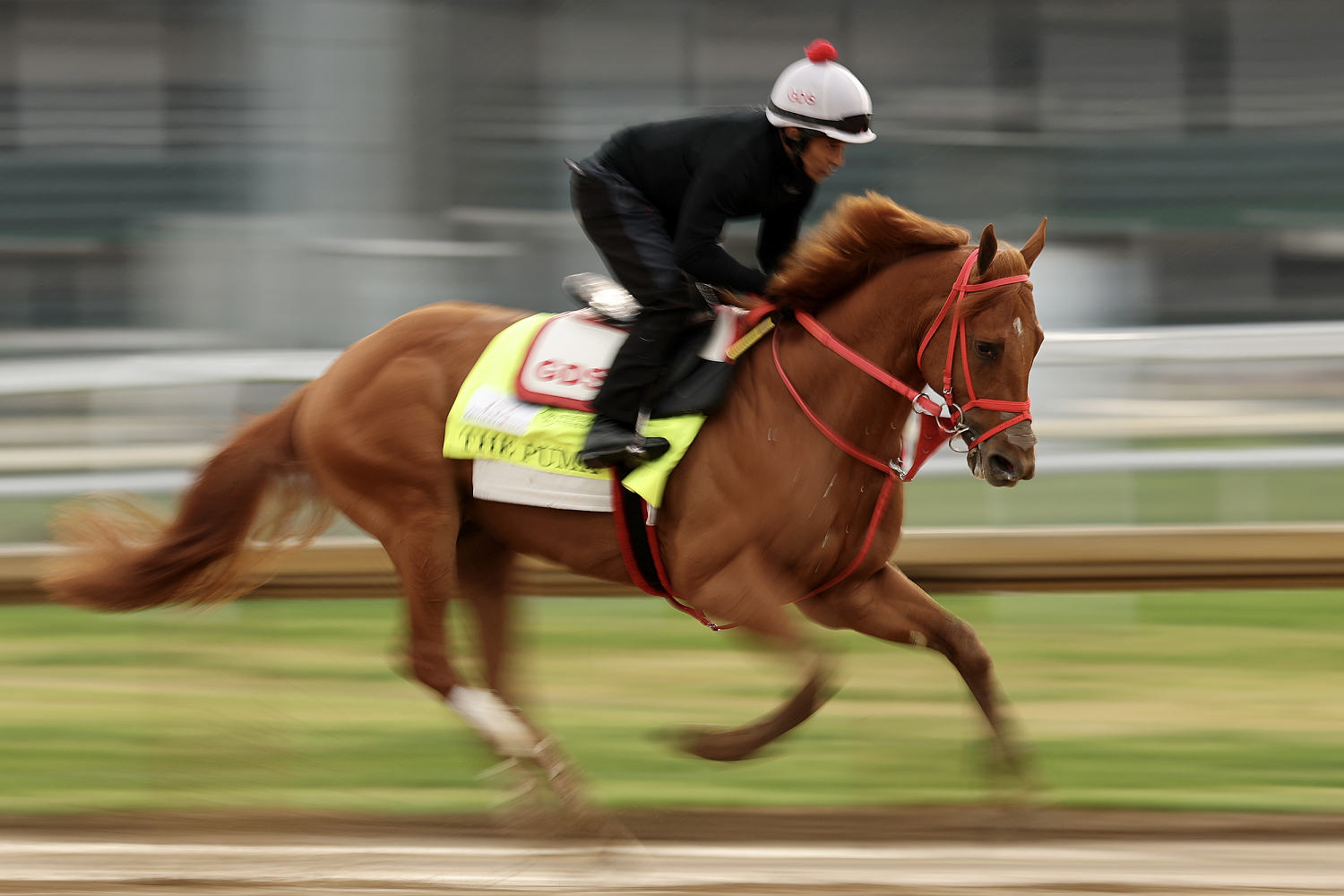
The Derby is a brutal test of three-year-old Thoroughbreds. They’re asked to run a mile and a quarter, a distance none of them have ever faced before, in front of 150,000 screaming fans. It’s chaos. To survive it—and maybe make some money—you need more than just the post time. You need to understand the rhythm of the track.
Where and when to catch the 152nd Kentucky Derby
Churchill Downs in Louisville, Kentucky, remains the permanent home of the race. It’s iconic for a reason. Those twin spires aren't just architecture; they're a monument to the longest-running continuous sporting event in America.
For the 2026 edition, NBC holds the broadcast rights. They usually start their coverage in the early afternoon, around 12:00 PM ET, but the actual race won't happen until much later. Expect the "Riders Up" call and the walkover to occur around 6:45 PM ET. The gates usually fly open at 6:57 PM ET.
If you aren't sitting in a recliner with a cable box, you'll be streaming it on Peacock. Don't wait until 6:50 PM to check your login credentials. Every year, someone misses the start because of a software update or a forgotten password. The race is over in roughly 120 seconds. There’s no halftime. There’s no "catching the second quarter." You’re either there or you’re looking at a replay on social media.
The horses you should actually watch in 2026
By the time May 2 rolls around, the "Road to the Kentucky Derby" leaderboard will be set. This isn't a popularity contest. Horses earn their way in by winning or placing in prep races like the Florida Derby, the Santa Anita Derby, and the Blue Grass Stakes.
Betting favorites change as the sun goes down, but keep your eyes on the trainers first. Bob Baffert, Brad Cox, and Todd Pletcher usually have the "heavy" horses. They get the best athletes. They have the most experience with the 1.25-mile distance.
I’ve seen too many people bet on a horse because it won a sprint in February. That’s a mistake. The Derby is about stamina. Look for horses that finished strong in their last nine-furlong race. If a horse was "hanging" or losing ground in the final stretch of the Florida Derby, they’ll almost certainly collapse in the final stretch at Churchill.
The early chatter for 2026 suggests a crop of fast, leggy colts coming out of the California circuit. But remember: speed is cheap. Staying power is expensive. Watch the morning works at Churchill during the week leading up to the race. If a horse looks "washy"—covered in white, soapy sweat—they’re nervous. A nervous horse wastes energy before the gate even opens.
How to bet without losing your cool
Most people walk up to a window or open an app and place a "Win" bet. It’s simple. It’s also the hardest way to make consistent money. The Derby field is huge—usually 20 horses. The traffic on the first turn is legendary. A great horse can get boxed in, bumped, or forced wide, ending their chances in three seconds.
Consider an "Across the Board" bet if you like a horse but aren't sure they can beat the whole field. This covers Win, Place, and Show. If your horse finishes third, you still get a payout. It won't buy you a new car, but it pays for your drinks.
Exotic bets like the Exacta (picking first and second in order) or the Trifecta (first, second, and third) are where the massive payouts live. In a 20-horse field, these are incredibly difficult to hit. A popular strategy is "boxing" your horses. If you box a 5-8-12 Trifecta, those three horses can finish in any order. It costs more, but it saves you from the heartbreak of having the right horses in the wrong spots.
Don't ignore the jockeys. Legends like John Velazquez or Irad Ortiz Jr. know how to navigate a 20-horse stampede. They don't panic. They wait for a hole to open. A young, aggressive jockey might send their horse to the front too early, burning out their lungs before the final turn.
The atmosphere is the real draw
If you’re going to Louisville, prepare for a long day. This isn't a "show up for the main event" kind of party. Gates open early in the morning. The undercard races are actually some of the best betting opportunities because the pools are still large but the fields are more predictable.
The dress code is famously absurd. For men, it’s seersucker suits and pastel colors. For women, it’s all about the hat. Honestly, the hats have become a sport of their own. But here’s a pro tip from someone who’s been there: wear comfortable shoes. You’ll be walking on gravel, brick, and grass for ten hours. If you wear brand-new dress shoes or six-inch heels, you’ll be miserable by race four.
The Mint Julep is the "official" drink, but let’s be real. It’s mostly crushed ice, sugar, and bourbon. It’s sweet. It’s strong. It’s also very expensive at the track. Drink plenty of water between them. The Kentucky sun in May can be surprisingly brutal, and dehydration is the quickest way to ruin your Derby weekend.
Common myths that trip up bettors
People love to talk about "pedigree." They say a horse is "born to run this distance" because their sire won a Belmont Stakes. Pedigree matters, but it’s not everything. Every horse is an individual. A "blue-blooded" horse with a perfect lineage can still have a bad day or hate the dirt at Churchill.
Another myth is that the rail (Post Position 1) is a death sentence. It’s definitely hard. The horse has to break fast to avoid being pinned against the fence by 19 other animals charging inward. But modern starting gates and track maintenance have made it less of a nightmare than it was twenty years ago.
Finally, don't believe the "sure thing" hype. There is no such thing as a lock in horse racing, especially not in a 20-horse field of three-year-olds who are still mentally maturing. Anything can happen. That’s why we watch.
Planning your 2026 Kentucky Derby weekend
If you want to go, book your hotel now. Like, right now. Hotels in downtown Louisville and even out by the airport triple their prices for Derby weekend. Many locals rent out their homes on Airbnb for thousands of dollars. If you wait until March, you’ll be staying in a motel 40 miles away in Indiana.
For those staying home, make it an event. Get the ingredients for a proper julep—fresh mint is non-negotiable. Print out some "PPs" (Past Performances) and actually look at the data. Look for the "Beyer Speed Figures." If a horse has been consistently improving their numbers over their last three starts, they’re peaking at the right time.
The 2026 Kentucky Derby will be a spectacle of speed and tradition. Whether you’re there for the gambling, the fashion, or just the sheer athleticism of the animals, it’s a singular experience.
Get your bets in early on the TwinSpires app or your preferred legal sportsbook. The servers often lag in the five minutes before post time because everyone in the country is trying to bet at once. Pick your horse, stick to your budget, and enjoy those two minutes. They’re the most exciting ones in sports.