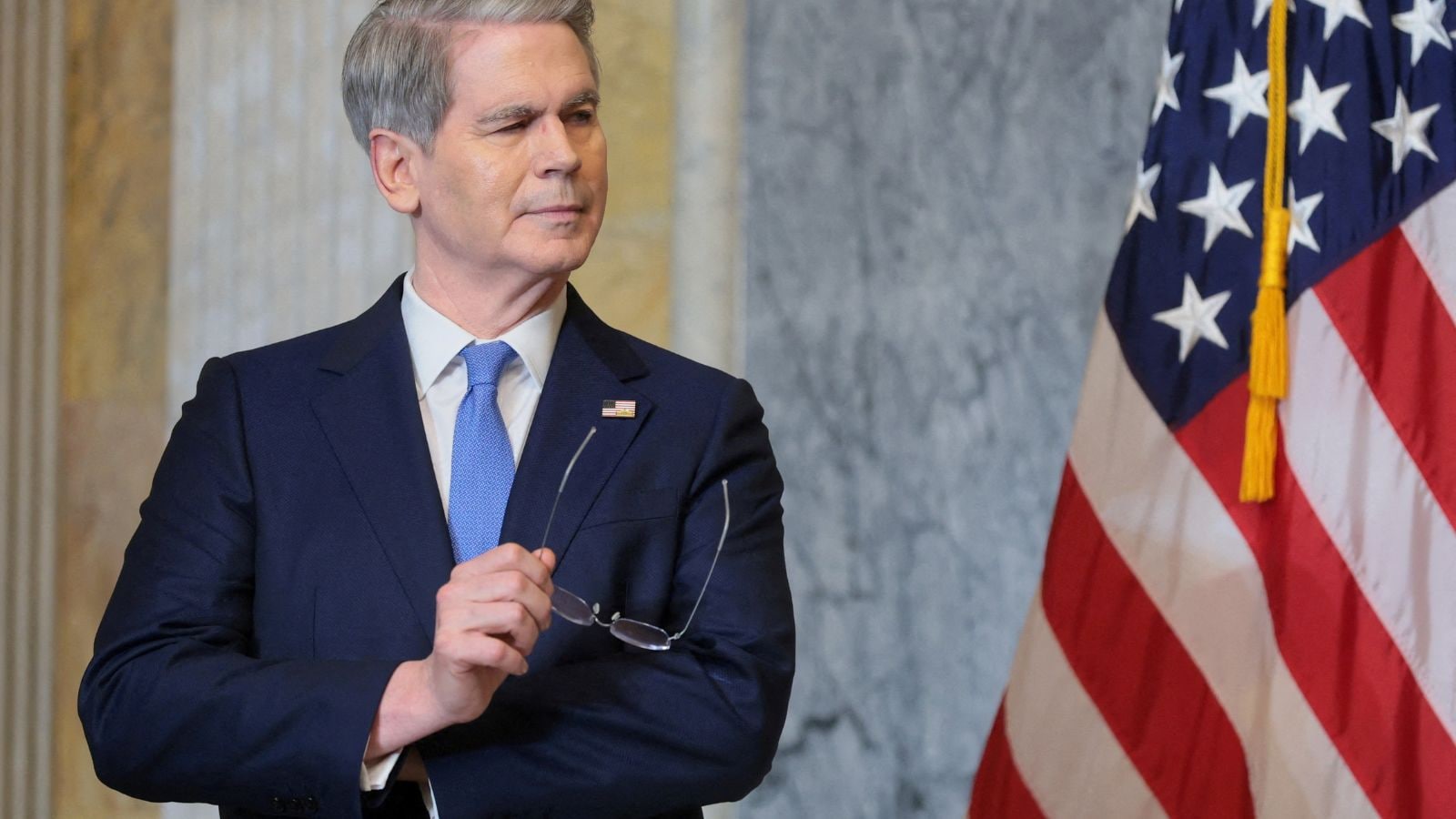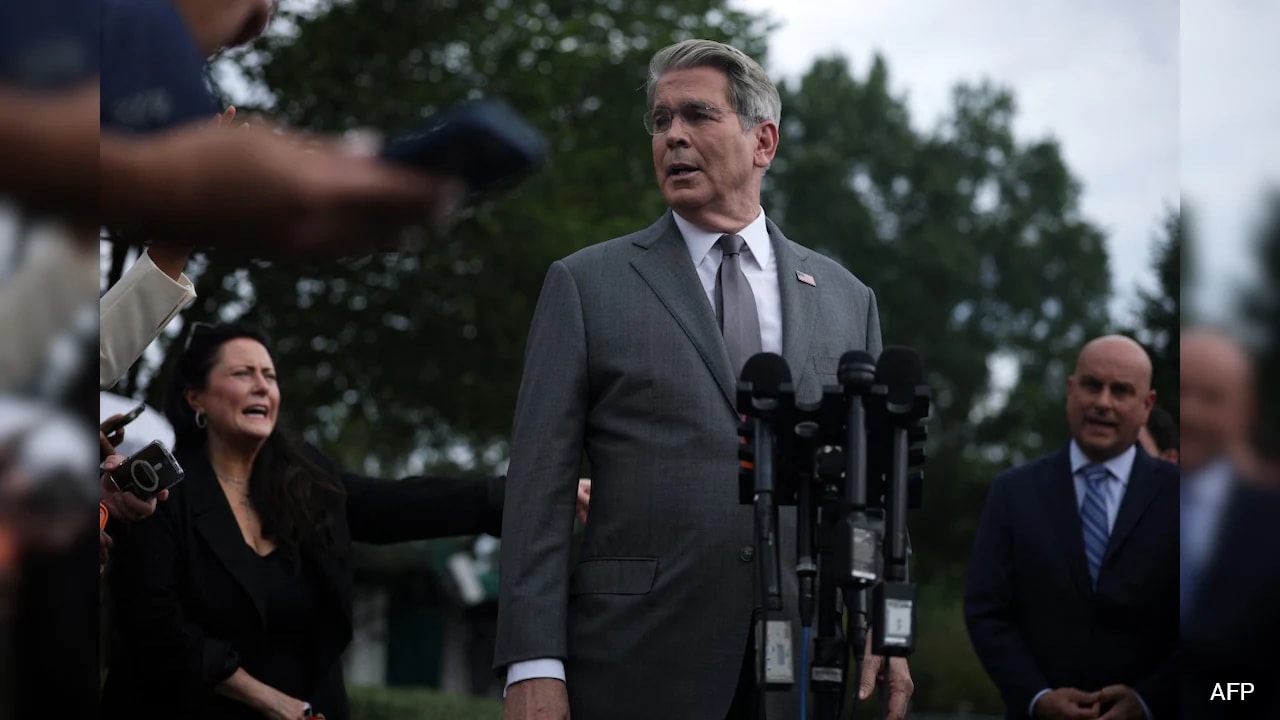
Washington is running out of patience. Treasury Secretary Scott Bessent just made it clear that the ongoing conflict is entering a brutal final stretch. The White House calls it an economic D-Day. It is shaping up to be the most aggressive financial offensive ever deployed against a modern nation.
If you are watching global energy markets right now, you know the stakes couldn't be higher. Months of military strikes and a tight naval blockade have failed to break Tehran. Instead of backing down, Iran has throttled traffic through the Strait of Hormuz, sending shockwaves through international oil supplies. Now, the Trump administration is shifting its entire weight from the battlefield onto the global financial system.
What the Economic Offensive Actually Means
The core objective is simple. Washington wants to sever every single economic lifeline keeping the Iranian regime afloat.
President Donald Trump didn't mince words on social media. He announced what he labeled the most crushing economic operation in history, targeting anyone still doing business with Tehran. This isn't just about direct sanctions on Iranian oil anymore. It is about secondary penalties directed at any country, bank, or business that keeps a door open for the Iranian economy.
The administration is demanding an immediate halt to several key financial channels:
- Oil smuggling and illicit cargo transfers
- Currency swap lines and cash transfers
- Operations involving exchange houses
- Foreign ship registries and front companies
Treasury officials are putting major buyers on notice. Countries like China and India, which have historically absorbed Iranian oil exports, face an uncomfortable choice. Cooperate with Washington's isolation campaign, or face the full might of U.S. secondary sanctions.
The Tehran Calculus and Oil Retaliation
Tehran isn't blinking. Iranian Foreign Minister Abbas Araghchi immediately dismissed the announcement as a hollow distraction from America's own domestic debt and rising interest costs. Iranian leadership views this conflict as an existential battle for survival. Decades of living under heavy sanctions mean the local infrastructure is uniquely adapted to absorb financial shock.
At the same time, Tehran holds a dangerous card: energy exports. By disrupting tanker traffic in the Persian Gulf, Iran has proven it can impose steep costs on the rest of the world. Shipping data shows traffic through the Strait of Hormuz has plummeted as operators scramble to avoid maritime risks.
Iran's response to financial isolation has always relied on asymmetric leverage. If global markets lose access to Gulf oil and natural gas, prices spike instantly. Treasury leaders argue that tightening the chokehold will eventually force oil prices back down by cutting off illicit flows, but energy traders aren't convinced the transition will be smooth.
Walking Into Uncharted Waters
Many foreign policy veterans are urging caution. Applying maximum pressure without offering a clear diplomatic off-ramp often backfires. When a government feels it has nothing left to lose, concessions become nearly impossible to extract.
Yet the White House is doubling down. The United Arab Emirates recently suspended trade with Iran following regional security incidents, signaling that even traditional regional partners are recalibrating their risk. This diplomatic isolation narrows Tehran's breathing room significantly.
We are hurtling toward a critical turning point. Either this unprecedented financial siege finally breaks the regime's resolve, or it triggers an even deeper energy crisis that reverberates across every pump and power grid worldwide. Keep a close eye on upcoming Treasury enforcement actions over the next few weeks because the fallout will dictate market stability for the rest of the year.