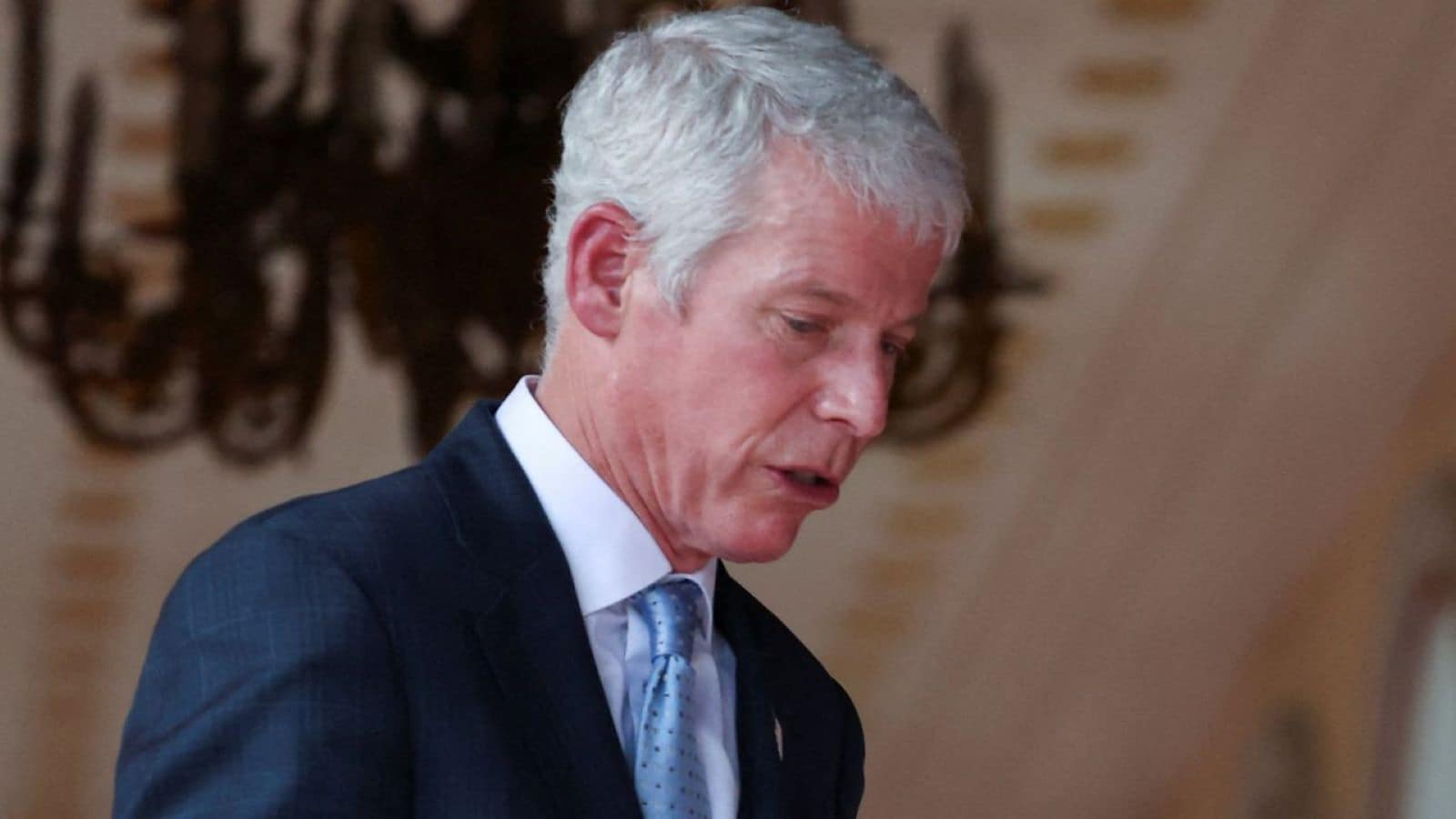
Diplomacy rarely dies with a dramatic crash. Instead, it quietly withers away while military strikes fill the vacuum. Energy Secretary Chris Wright just said what many inside Washington have whispered for months, noting that the United States may never secure a formal nuclear agreement with Iran.
If you have been watching the oil markets or tracking the six-month conflict in the Middle East, this shift shouldn't shock you. The White House is moving away from the negotiating table. Instead, administration officials are leaning hard into a strategy of economic strangulation and targeted military degradation. Recently making news lately: Structural Mechanics of Climate Compensation and the Limits of Sovereign Liability.
The Shift From Talks to Tactic Strikes
When the interim arrangement collapsed, hopes for a diplomatic breakthrough faded fast. Wright made it clear during weekend media appearances that Washington is no longer waiting around for Tehran to sign on the dotted line.
The primary objective has changed. Rather than negotiating caps on uranium enrichment, the strategy focuses on systematically dismantling the infrastructure required to build a weapon. Further information into this topic are covered by USA Today.
- Economic Chokepoints: The U.S. Navy continues to restrict Iranian crude and natural gas exports to starve the regime of revenue.
- Infrastructure Degradation: Recent military actions target missile production capabilities and nuclear-associated sites directly.
- Waiting Out Leadership: Officials have openly suggested that any comprehensive pact might have to wait for an entirely new administration in Tehran.
This approach marks a sharp pivot from traditional foreign policy playbooks. Past administrations spent years trying to revive or craft comprehensive diplomatic accords. The current stance treats the existing government in Tehran as an intractable obstacle, preferring a hard-power containment model instead.
Energy Markets and the Strait of Hormuz
You cannot talk about U.S. policy toward Iran without looking at oil. Energy prices remain a major domestic political pressure point, and Washington knows it.
While administration allies previously promised lower fuel costs, keeping crude flowing through the Strait of Hormuz requires a heavy military footprint. Wright acknowledged that commercial transit through the vital waterway isn't operating under normal conditions. Safe passage currently demands active coordination and protection from the U.S. Navy.
At the same time, the administration is boosting production elsewhere to offset market shocks. Aggressive moves to ramp up output in the Western Hemisphere—including major deals in Venezuela—are designed to flood the market with supply and keep prices manageable for American consumers. By increasing global barrels, Washington hopes to neutralize the economic leverage that Tehran traditionally holds over the Strait of Hormuz.
What Comes Next for the Region
The reality on the ground is a prolonged, grinding conflict rather than a neat diplomatic resolution. Defense analysts and former officials agree that the standoff could stretch on for months.
Diplomacy isn't entirely dead on paper, but the active pursuit of a grand bargain has taken a back seat to brute-force containment. If the White House believes it can permanently neutralize the threat through targeted destruction and economic isolation, a signature on a nuclear treaty becomes optional.
Keep a close eye on shipping insurance rates, regional tanker traffic through the Gulf, and domestic fuel inventories. Those indicators will tell you far more about where this conflict is heading than any official statement coming out of a press briefing.


