The Middle East isn't just messy right now; it's fundamentally broken. If you've been watching the headlines about the 2026 Iran war, you've seen the smoke over Tehran and the chaos in the Strait of Hormuz. But there's a deeper story here that most mainstream outlets are missing. Vali Nasr, a former State Department adviser and one of the sharpest minds on Iranian affairs, recently dropped a truth bomb that should make every policy wonk in D.C. sweat. He argues that Israel successfully pulled the United States into a "blood feud" with Iran—a war that Washington didn't necessarily need but is now stuck in.
It's a bold claim, but the facts on the ground back it up. When the joint U.S.-Israeli strikes kicked off on February 28, 2026, the official line was about stopping a nuclear breakout and "regime change." Fast forward a few months, and we're looking at a regional firestorm that has cost the U.S. billions, spiked oil prices, and left the Islamic Republic—despite losing Supreme Leader Ali Khamenei in those initial strikes—remarkably defiant.
The real question isn't just why this started, but why the U.S. thought it would be easy.
The miscalculation of the quick win
Washington has a bad habit of assuming high-tech bombs lead to low-cost victories. The Trump administration seemed to think that decapitating the Iranian leadership would cause the whole house of cards to tumble. It didn't. Instead, Nasr points out that the war has morphed into a "blood feud"—a deeply personal, generational conflict that isn't about spreadsheets or nuclear enrichment levels anymore. It's about survival and revenge.
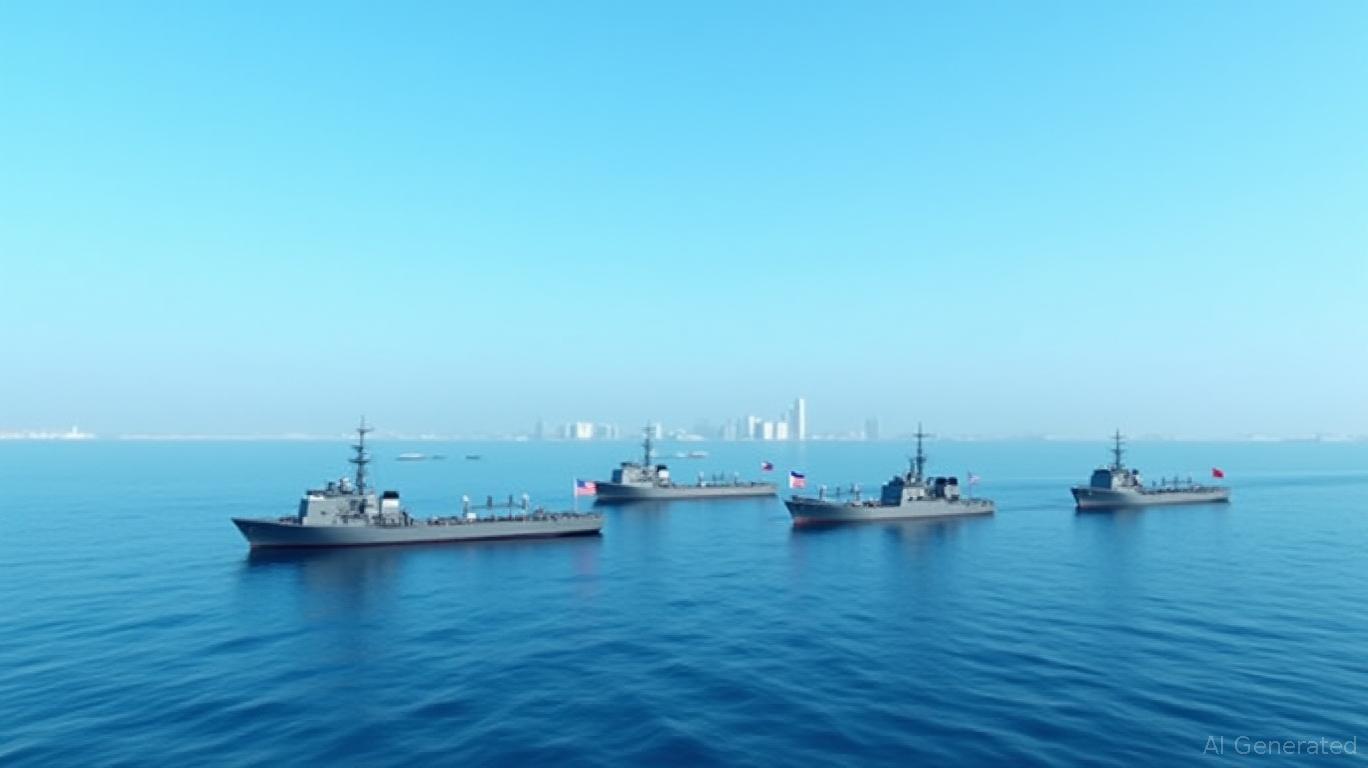
Iran’s strategy was never to win a dogfight against American F-35s. They knew they’d lose that. Their plan was always to drag the fight out, target the global economy, and wait for the West to get tired. By closing the Strait of Hormuz and launching low-cost drone swarms at energy infrastructure in neighboring Gulf states, Tehran hit the world where it hurts most: the wallet.
- Economic Toll: The U.S. military bill topped $18 billion in the first month alone.
- Energy Crisis: Global oil shipments ground to a halt, causing localized fuel shortages across Asia.
- The Missile Gap: Israel and the U.S. have plenty of "offensive" power, but Nasr notes they're running low on the expensive interceptors needed to stop Iran’s relentless missile volleys.
Why Israel wanted this and why the U.S. followed
It’s easy to see why Israel pushed for this. For years, Jerusalem has viewed Iran’s nuclear program as an existential threat that diplomacy couldn't fix. After the "12-day war" in June 2025 and the subsequent collapse of nuclear talks, the Israeli government saw a window of opportunity. They gambled that a weakened Iran, reeling from internal protests and sanctions, would fold under a massive direct assault.
But for the United States, the rationale is muddier. Why now? Why February 2026? President Trump never quite made a coherent case for why war was the only option left. Nasr argues that by tying U.S. military might so closely to Israel’s specific security objectives, Washington effectively inherited a centuries-old regional rivalry. We didn't just join a war; we joined a vendetta.
The myth of the collapsing regime
One of the biggest mistakes made by Western intelligence was overestimating how much the internal protests in early 2026 would help the war effort. Yes, Iranians were angry at their government. Yes, the economy was in the trash. But as soon as American and Israeli bombs started falling on Tehran, nationalist sentiment kicked in.
It’s a classic error. You don't make a people love you by destroying their bridges and power plants. Nasr’s interviews with outlets like Bloomberg and DAWN highlight a grim reality: the trauma of this war is "transformative," but not in the way the State Department hoped. It’s hardening the population, not inciting a pro-Western revolution.
The high price of a stalled ceasefire
The two-week ceasefire announced on April 7, 2026, is a band-aid on a gunshot wound. It’s a pause, not a peace. Iran is still holding the Strait of Hormuz hostage, demanding reparations and a full naval blockade lift before they let the tankers through. Meanwhile, the U.S. is left holding a massive bill and a diminished global reputation.
What does this mean for you? If you’re a business owner or an investor, you need to realize that the "stability" of the Middle East is a ghost. We’ve entered a period where "no-war, no-peace" is the new normal.
- Watch the Strait: Any movement on the Hormuz blockade is the only metric that matters for global markets right now.
- Nationalism vs. Regime Change: Stop waiting for a "pro-democracy" uprising to end the war. The conflict has unified the Iranian hardliners in a way years of propaganda couldn't.
- Defense Depletion: Pay attention to the "interceptor gap." The U.S. is burning through high-end munitions faster than we can replace them.
We’ve moved past the era of limited strikes and "surgical" operations. By entering this blood feud, the U.S. has committed to a long-term presence in a region that is increasingly hostile to American influence. Nasr's warning is clear: an unavoidable war is not a necessary one, and the bill for this particular miscalculation is going to be coming due for decades.
Don't expect a clean exit. The U.S. is now a primary character in a story it doesn't know how to end. Keep your eye on the diplomatic backchannels in Pakistan and Qatar, because that's where the real deals—if they ever happen—will be cut. For now, the "blood feud" is the only policy that's actually being executed.