A Political Campaign Built on Paper Thin Foundations
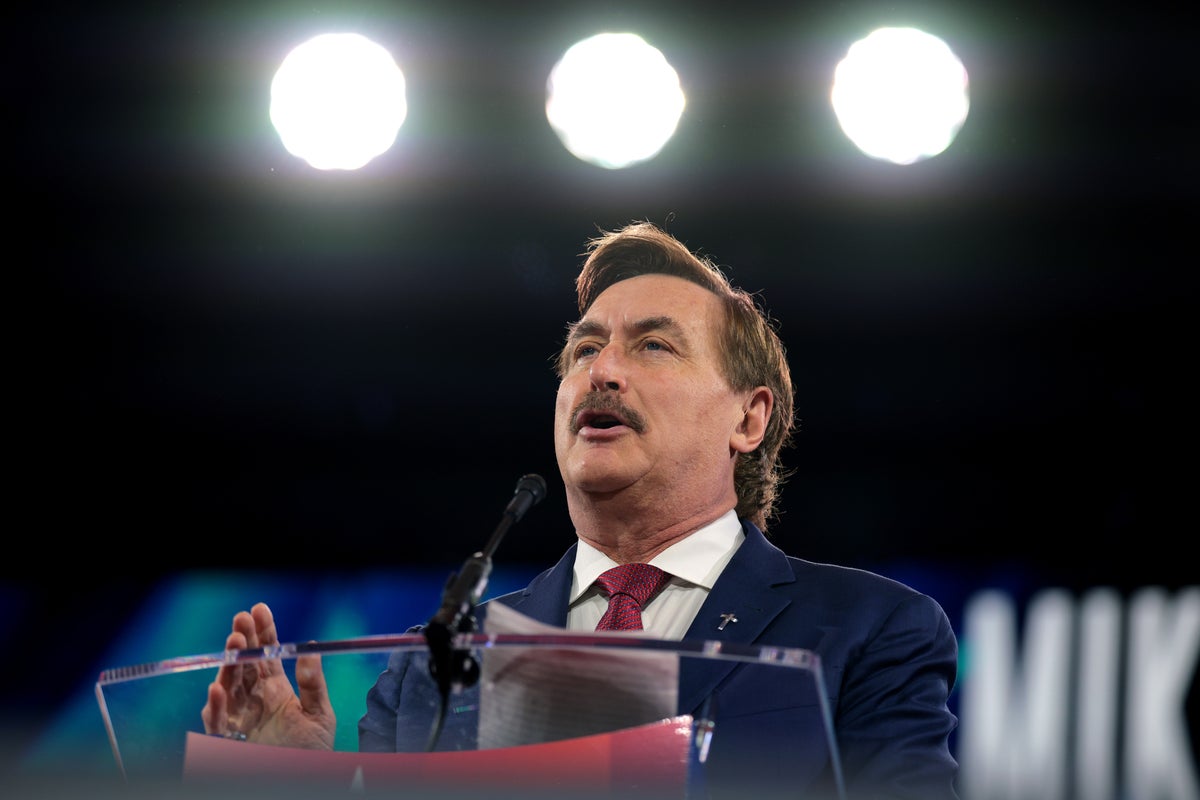
When MyPillow founder Mike Lindell floated a run for governor of Minnesota, the national headline machine immediately fixated on the most jarring administrative detail available. He was not registered to vote in the very state he aimed to lead.
For a figure who transformed a foam pillow manufacturing empire into a multi-million-dollar political megaphone, the oversight seems almost absurd. Yet beneath the viral headlines lies a far more instructive story about modern populist politics, legal residency mechanics, and the stark divide between media visibility and basic electoral execution.
Running for executive office requires meticulous administrative groundwork. Candidates must establish clear residency, maintain active voter registration, and navigate complex state election codes long before launching a serious campaign. Lindell's public statements regarding a potential bid against Minnesota Governor Tim Walz highlighted a fundamental disconnect. He spent months railing against voting systems across America while failing to complete the basic registration paperwork required in his home jurisdiction.
The Legal Reality of Minnesota Residency Requirements
Minnesota law outlines explicit criteria for gubernatorial candidates. Under the state constitution, an individual seeking the office of governor must be an eligible voter, at least 25 years old upon taking office, and a resident of Minnesota for one year preceding the election.
The voter registration requirement is not a mere formality. It acts as the legal gateway to candidacy.
Candidate Eligibility Verification Flow
[Residency Document Check] ➔ [Voter Registration Status] ➔ [Filing Fee / Petition Signatures] ➔ [Official Ballot Placement]
Without an active voter registration record on file, a prospective candidate cannot legally submit affidavits of candidacy during the official filing period.
How Address Changes Freeze Voter Status
When a high-profile individual moves between properties or shifts their primary residence for tax and business reasons, state voting databases automatically flag or update their status.
- Property Transfers: Selling a primary residence often triggers an administrative update in county records.
- National Change of Address (NCOA): Mail forwarding requests feed directly into voter roll maintenance systems.
- Inactivity Inquiries: Voters who do not participate in consecutive election cycles receive confirmation cards that can lead to an inactive status if unreturned.
In Lindell's case, public records indicated shifts in property ownership and primary residential listings within Carver County. These administrative movements, combined with long periods spent traveling the national circuit, created a paper trail that left his voter eligibility completely dormant.
The Business of Political Projections
To understand how a prominent business executive overlooks basic voter registration, one must analyze the economics of personal branding. Political campaigns often serve dual purposes. For some candidates, they represent a genuine bid for public governance. For others, they function as high-yield marketing engines designed to maintain brand relevance and drive consumer engagement.
"A political campaign is the ultimate low-cost, high-exposure marketing campaign for a personal brand, provided the speaker never actually has to navigate the messy reality of governing."
Lindell built MyPillow through aggressive direct-response television advertising. When major retail chains pulled his products from their shelves following his controversial public statements, his sales strategy shifted heavily toward direct-to-consumer pipelines fueled by political media appearances.
Maintaining the narrative of a potential gubernatorial run generated tens of millions of dollars in earned media coverage. Every cable news appearance and political rally served as a dual-purpose platform, keeping his commercial enterprise alive while reinforcing his political identity.
Administrative Incompetence or Strategic Distraction
Skeptics point out that setting up a valid voter registration in Minnesota takes less than ten minutes online or at a local county auditor's office. Why would a man with access to legal teams and political advisors neglect such a fundamental task?
The answer lies in two competing explanations.
Option A: Tactical Oversight
The fast-paced nature of activist travel schedules often leads to administrative neglect. High-profile figures frequently assume their staff handles routine paperwork, leading to embarrassing public gaps when journalists cross-reference public databases.
Option B: Built-in Exit Options
Flaws in candidate eligibility provide an effortless exit strategy. By floating a campaign without securing legal eligibility, a figure can rally supporters, raise funds, and generate publicity without ever facing the high risk of a crushing electoral defeat at the ballot box.
| Campaign Requirement | Standard Candidate Preparation | The Lindell Approach |
|---|---|---|
| Voter Registration | Verified months prior to announcement | Left inactive or unregistered |
| Policy Infrastructure | Detailed whitepapers and regional teams | Broad speeches focused on national media narratives |
| Local Ground Game | Precinct-level organizing across 87 counties | High-profile national rallies and broadcast appearances |
| Residency Documentation | Clear tax and property records established | Complex corporate and real estate holdings across multiple states |
The Impact on Minnesota Republican Strategy
The spectacle of an unregistered gubernatorial aspirant created significant friction for state party strategists. Minnesota Republicans had been working to build a disciplined coalition capable of winning statewide office for the first time since 2006.
When a high-visibility figure absorbs the political atmosphere without completing basic procedural steps, it creates several structural problems for legitimate contenders.
Resource Diversion
Donor attention and grassroots energy get funneled into media events rather than ground-level voter contact operations.
Narrative Displacement
Local policy issues such as state tax structures, public safety, and education reform get drowned out by national controversies and procedural drama surrounding the unregistered candidate.
Credibility Strain
Opposing campaigns use the candidate's administrative oversights to characterize the entire party apparatus as disorganized and unserious about governance.
The Mechanic of Candidate Vetting in the Modern Era
Political journalism has shifted. Decades ago, opposition research teams focused almost entirely on policy votes and personal history. Today, basic administrative compliance checks form the first line of investigative scrutiny.
Journalists now routinely query public state databases, property tax registries, and corporate filings long before a candidate officially files paperwork. The instant verification of voter status exposed a clear vulnerability in Lindell's political narrative before his campaign could even establish a formal finance committee.
When the primary mechanism of your political platform involves questioning the integrity of state voter rolls, failing to maintain your own entry on those very rolls destroys any claim to operational competence.
The political machinery of Minnesota moves forward regardless of high-profile media figures. Establishing a serious gubernatorial campaign demands rigorous attention to county-level filing deadlines, active voter status, and state tax compliance. Speeches, press releases, and cable news segments can build a temporary audience, but without the basic foundation of a valid voter registration, a political campaign is nothing more than expensive theater.