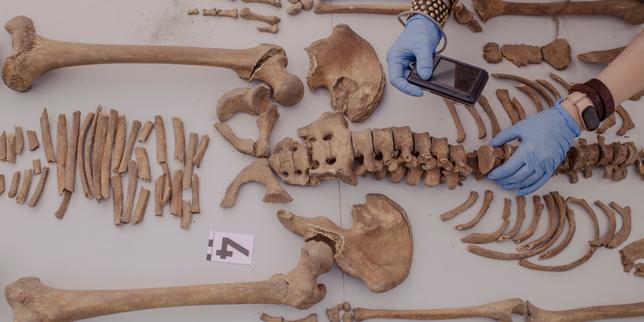
History doesn't just stay buried in the dirt. Sometimes, it demands to be dug up. In the western reaches of Ukraine, specifically the historic region of Volhynia, past atrocities refuse to stay quiet. During the Second World War, this soil witnessed a brutal ethnic conflict between Poles and Ukrainians that left tens of thousands dead. Today, the struggle to unearth the mass graves isn't just about archaeology. It is about a bitter war over memory, identity, and who gets to write the official narrative of suffering.
If you want to understand modern European geopolitics, you cannot ignore this dark chapter. Politicians in Warsaw and Kyiv talk endlessly about strategic partnership, especially as they face a common enemy to the east. Yet, beneath the diplomatic handshakes lies a minefield of unexcavated pits and conflicting historical truths. Let's break down what actually happened, why the bones still wait for exhumation, and what it means for the future. Meanwhile, you can explore related events here: The Silent War Beneath the Waves That Threatens Your Energy.
The Forgotten Bloodshed Of 1943
The tragedy in Volhynia wasn't a spontaneous riot. It was a calculated, brutal campaign executed during the Nazi occupation. Starting primarily in the spring and summer of 1943, units of the Ukrainian Insurgent Army, known as the UPA, targeted the Polish minority population living in the region.
The goal was straightforward and ruthless. Ukrainian nationalists wanted an ethnically homogeneous state for their future independence. Erasing the Polish presence was part of that bloody blueprint. Historians estimate that between 50,000 and 60,000 Poles were murdered in Volhynia alone, often with unimaginable cruelty. Entire villages were burned to the ground. To see the complete picture, check out the detailed report by BBC News.
But history is rarely a simple story of pure villains and innocent victims. Polish retaliatory raids followed quickly. Units of the Polish Home Army and partisan groups struck back against Ukrainian villages, killing thousands of civilians in reprisal attacks. This reciprocal slaughter created a cycle of hatred that lasted long after the frontlines shifted.
When the Soviet Union swallowed the region after 1945, Moscow forced a tight lid on the entire topic. Talking about ethnic cleansing within the socialist brotherhood of nations was strictly forbidden. The mass graves were left unmarked, overgrown by forests and ignored by official cartographers. Families on both sides were left with grief and silence.
The Modern Battle Over Exhumations
Decades have passed, but the dead are still waiting for proper burials. This is where politics enters the chat. You'd think that recovering human remains and giving them Christian or secular burials would be a basic humanitarian act. It isn't. Not here.
For years, the Polish government has pushed for comprehensive exhumation rights in Volhynia. Warsaw wants its archeologists and specialists to dig, identify the victims, and honor them with proper memorials. Ukrainian authorities, however, have frequently dragged their feet or outright blocked permits.
Why the resistance? Modern Ukraine faces a massive nation-building challenge. Figures like Stepan Bandera and organizations like the UPA occupy a complex space in the Ukrainian national pantheon. To many Ukrainians fighting for survival against Russian aggression today, these fighters are national heroes who resisted Soviet and Nazi oppression. Admitting openly that these same heroes perpetrated mass atrocities against Polish civilians complicates the national myth.
It creates a diplomatic tug-of-war. Warsaw views the blocking of exhumations as an insult to the victims and a barrier to true reconciliation. Kyiv sees Polish demands as an insensitive political weapon that ignores Ukraine's current existential struggle.
Memory Wars In The Shadow Of War
The current geopolitical crisis has made this memory trap even tighter. Poland has been one of Ukraine's loudest champions, supplying weapons, humanitarian aid, and welcoming millions of refugees. You would expect this solidarity to wipe the slate clean. Instead, it creates deep friction.
Many Poles feel that their immense generosity gives them the right to demand historical truth and closure regarding Volhynia. They argue that a true ally shouldn't hide historical crimes. On the other side, many Ukrainians feel deeply hurt when historical disputes are pushed to the forefront while their cities are being bombed daily. They ask how Warsaw can press historical grievances while Kyiv fights for its life.
Nationalist politicians in both countries know how to exploit these tensions. It's easy to whip up nationalist fervor by pointing fingers across the border. Nuance gets crushed under the weight of political point-scoring.
Yet, ignoring the bones in the forest won't make them go away. Grassroots activists and historians on both sides are trying to bridge the gap. They organize joint seminars, document oral histories, and push for pragmatic solutions that respect the victims without being hijacked by partisan agendas.
What Needs To Happen Next
Resolving the ghost of Volhynia requires a brutal dose of honesty from leadership in both capitals. You cannot build a durable alliance on a foundation of forced silence.
Kyiv needs to grant unrestricted access to Polish researchers to locate, exhume, and memorialize the victims of 1943. Honoring historical truth doesn't weaken a nation; it strengthens its moral standing. At the same time, Warsaw needs to handle these sensitivities with diplomatic maturity, ensuring that historical memory isn't weaponized to score cheap domestic political points or undermine Ukraine's sovereignty when it matters most.
The mass graves of Volhynia are a physical reminder that unresolved history always returns to collect its debt. Dealing with them is painful, messy, and long overdue. Until both nations can look at the skeletons in their shared closet without flinching, true reconciliation will remain out of reach.