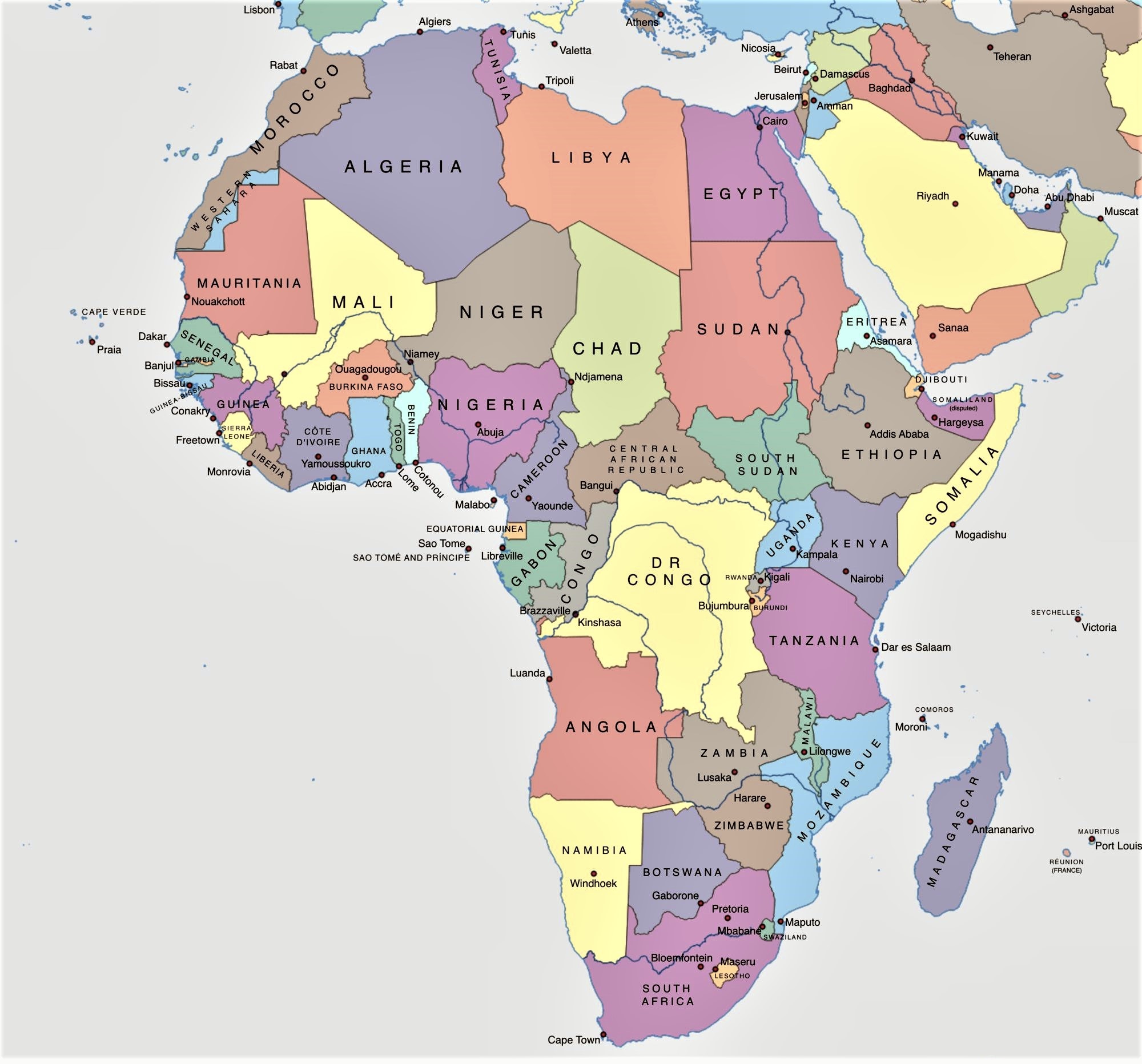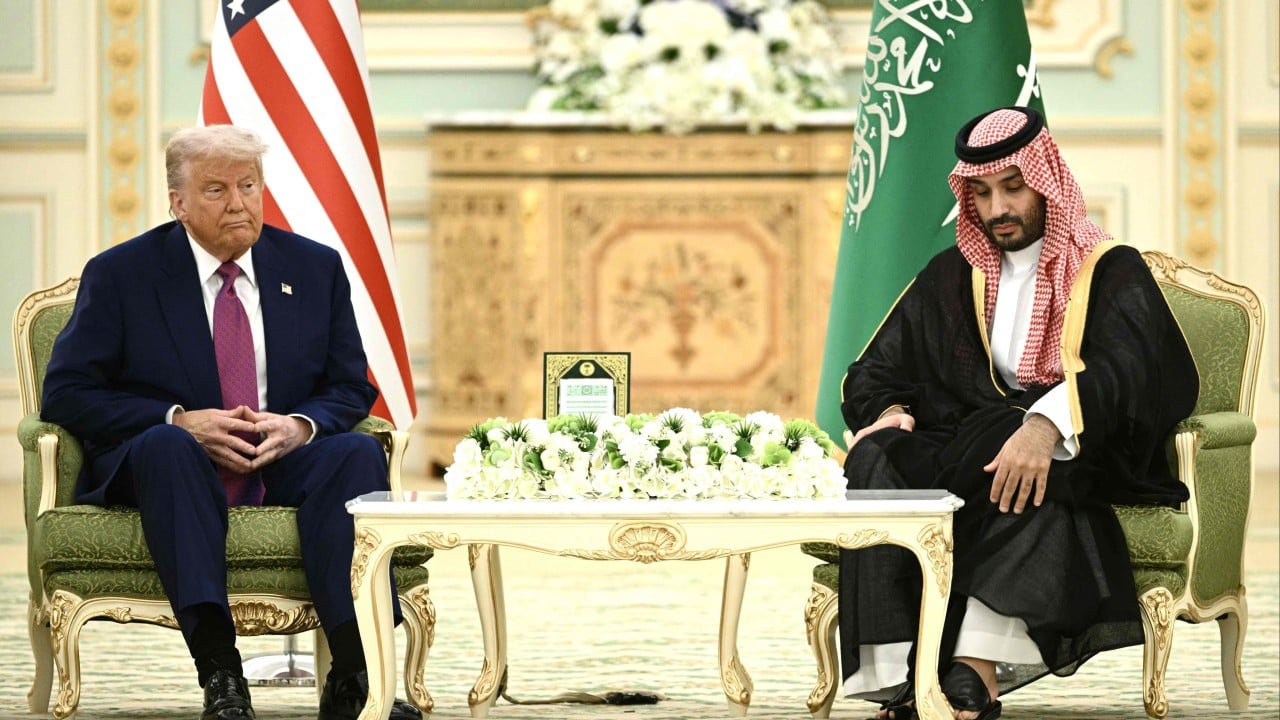
The fragile framework of a newly negotiated U.S.-Saudi civilian nuclear cooperation agreement hit an immediate diplomatic wall as Washington conditioned final implementation on Riyadh normalizing relations with Israel. While initial bilateral talks focused heavily on energy diversification, security guarantees, and strict non-proliferation safeguards, political demands from Capitol Hill and the White House have effectively frozen the initiative. By tying nuclear technology transfers directly to the Abraham Accords framework, policymakers have introduced an volatile variable into Middle Eastern diplomacy. Saudi Arabia has consistently maintained that formal recognition of Israel remains contingent on a viable path to Palestinian statehood, creating a fundamental dead-end for the nuclear pact in its current form.
For months, Washington and Riyadh maneuvered through delicate negotiations to draft a civilian nuclear deal aimed at building reactors in the Saudi Kingdom. Middle Eastern energy planners view civilian atomic power as a vital buffer to preserve domestic crude reserves for export while transitioning toward alternative power generation. However, the political reality in Washington demands a high return on any deal involving nuclear know-how. United States lawmakers, wary of sparking a regional nuclear arms race, insist that any enrichment access granted to the Gulf kingdom must yield a massive geopolitical dividend—specifically, the public normalization of Saudi-Israeli diplomatic ties.
That condition instantly fundamentally shifted the baseline of the deal.
The Non-Proliferation Paradox
At the heart of the friction lies the gold standard of nuclear cooperation agreements, known under Section 123 of the U.S. Atomic Energy Act. Standard 123 agreements legally bind foreign signers from enriching uranium or reprocessing spent fuel on their own soil. Saudi officials have repeatedly expressed reluctance to surrender enrichment rights entirely, pointing out that domestic uranium deposits represent a sovereign resource they intend to develop.
United States national security strategists face a stark dilemma:
- Require total prohibition on domestic enrichment, risking a scenario where Riyadh turns to alternative global vendors like China or Russia.
- Accede to limited domestic enrichment under intense scrutiny, triggering intense backlash from regional allies and Congress over proliferation dangers.
By adding mandatory Israeli recognition to this already strained technical negotiation, American negotiators effectively raised the stakes from a complex bilateral energy deal to a monumental geopolitical realignment.
The Regional Security Balancing Act
Regional security dynamics complicate every draft of the text. Israeli defense officials historically view any nuclear development in neighboring states with deep skepticism. Even if a normalization agreement were signed tomorrow, military strategists in Tel Aviv remain uneasy about potential future shifts in Gulf policy that could leave a fully operational nuclear fuel cycle in non-aligned hands.
Saudi Arabia’s leadership views the trade-offs through an entirely different lens. Domestic public opinion across the Arab world hardened significantly following recent regional conflicts. Accepting formal diplomatic relations with Israel without clear, enforceable concessions toward a two-state solution carries severe domestic and regional political costs for the Saudi monarchy. Consequently, linking nuclear power directly to diplomatic recognition forces Riyadh to weigh its long-term industrial energy goals against its strategic standing in the Islamic world.
Alternative Vendors Waiting in the Wings
This diplomatic impasse creates a major opening for competing global powers. State-backed nuclear corporations in Beijing and Moscow operate without the strict legislative constraints imposed by the United States Congress. They rarely attach broader foreign policy conditions—such as regional normalization agreements or specific democratic governance criteria—to commercial energy contracts.
If the American proposal stalls indefinitely over the Israel clause, Saudi Arabia retains viable commercial options elsewhere. China National Nuclear Corporation has spent years actively courting Middle Eastern energy markets, offering turnkey reactor designs and flexible financing structures. Russian energy giants already possess an established footprint in regional nuclear construction projects.
Opting for non-American vendors would drastically diminish Washington's visibility into Saudi Arabia's long-term nuclear infrastructure. An American-built civilian network comes with decades of continuous monitoring, joint supply chains, and regulatory alignment. Handing that contract to strategic rivals strips the United States of critical leverage in regional non-proliferation architecture for generations to come.
The Path Forward in Washington and Riyadh
The current standoff exposes a fundamental miscalculation in American foreign policy strategy: the belief that critical industrial and technological transfers can be effortlessly leveraged to resolve decades-old regional conflicts.
Energy security and regional diplomacy operate on vastly different timelines. Building nuclear infrastructure takes decades of stable capital investment and regulatory planning; diplomatic realignments can unravel over a single political election cycle. Attempting to force both tracks into a single legislative package risks achieving neither.
Without a structural decouple of the nuclear technical safeguards from the broader normalization demands, the bilateral deal will remain trapped in legislative limbo. Washington must determine whether its primary strategic objective in the Gulf is maintaining non-proliferation oversight through American technology or engineering a sweeping regional diplomatic realignment. Demanding both simultaneously may ultimately yield neither, leaving the future of Gulf energy infrastructure to be written by rival powers.