The heavy glass doors of the convention center slide open with a sterile hiss, admitting a rush of cool, filtered air and the low, constant murmur of political ambition. Outside, the rain is relentless, drumming a steady, indifferent beat against the pavement. Inside, the carpet is thick enough to swallow the sound of approaching footsteps.
Security usually leaves a bitter taste in the mouth. A heavy metal detector, a sharp-eyed guard peering through tinted lenses, a yellow plastic band snapped tightly around a wrist—these are the small, humiliating rituals of modern public life. They are designed to remind ordinary citizens that access is a privilege, tightly rationed and heavily policed. Yet, every system has its shadows. Every set of rules has a hidden door, left slightly ajar for those who know which handle to turn.
Consider what happens next.
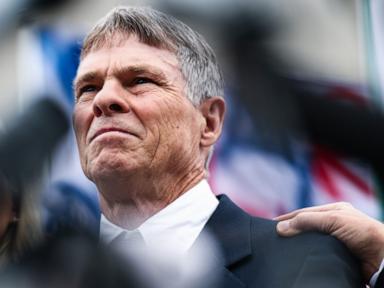
A man walks through that security gauntlet. He is not just any spectator. He is the leader of Raise the Colours, a nationalist street-level faction known more for high-visibility friction than quiet diplomacy. More importantly, he walks through those doors while wearing the invisible, heavy chains of police bail. He has been arrested. He has been processed. He has been told by the courts to keep his distance, to check in at specified times, to await the grinding wheels of criminal justice.
Yet here he is. Moving through the inner sanctum of the Reform UK conference.
The juxtaposition is jarring. It strikes at the silent agreement that holds a democracy together: the shared belief that consequences follow actions, and that the accused stand apart from the arena until their name is cleared. When that line blurs, the air in the room changes.
To understand why this matters, you have to step away from the polished podiums and look at the machinery of political entry. Conferences like these are tightly curated ecosystems. Accreditation desks run names through databases. Vetting teams look for red flags. They check for expired passes, unpaid dues, ideological incompatibilities. They look for threats. But sometimes, the threat assessment fails not because the technology is broken, but because the political appetite to include outweighs the administrative appetite to exclude.
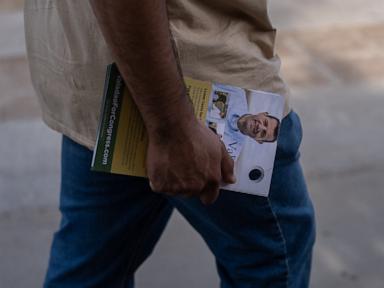
Imagine standing at the registration desk. The badge printer chatters, spitting out a crisp white card with a bold red font. The lanyard is looped through the slot. It smells of fresh plastic. The person handing it over does not blink. They do not whisper into a radio. They simply smile, offering the automatic, practiced hospitality of the hospitality industry, blind to the legal tempest swirling just outside the convention center perimeter.
This is the strange reality of modern political cross-pollination. Extreme fringes and populist movements do not always operate in dark, damp basements anymore. They wear suits. They carry laminated passes. They sip lukewarm conference coffee from paper cups, nodding along to stump speeches about law, order, and national sovereignty, even as their own encounters with the criminal justice system remain unresolved.
The public reaction is predictable, split neatly down ideological fault lines. One side sees a dangerous normalization, an institutional wink and a nod toward figures who skate close to the edge of public disorder. They argue that granting access to individuals under active police investigation sends a corrosive signal—that rules are elastic if your cause has enough noise behind it. They see the red carpet rolled out where a yellow quarantine tape ought to be.
The other side shrugs. They view the bail status as a technicality, a legal limbo before proven guilt, and argue that political movements must be broad, open, and unfiltered. They claim that exclusion is censorship, that the marketplace of ideas must tolerate the rough edges of political agitation, no matter how jagged those edges might appear under the fluorescence of a press gallery.
Both arguments miss the deeper, quieter truth.
The system is porous because it is designed to feed on momentum. Reform UK, surging in the polls and desperate to project an image of unstoppable, mainstream gravitational pull, absorbs energy wherever it can find it. If that energy comes wrapped in the controversial branding of Raise the Colours, so be it. The calculus is cold and transactional. Spectacle draws cameras. Cameras draw donors. Donors build movements.
A police station waiting room smells of cheap disinfectant, old floor wax, and the quiet despair of fluorescent tubes humming at a frequency that makes your teeth ache. That is where most people experience the criminal justice system. It is hard, grey, and absolute. The clock on the wall ticks with agonizing slowness. Every minute spent in that room is a reminder that the state holds the levers, and you are merely the weight being measured.
Then there is the convention hall. The contrast could not be sharper. Here, time is elastic, stretched by standing ovations and booming basslines echoing from oversized speakers.
How does a man balancing on the tightrope of a criminal investigation cross that chasm? He does it by walking with purpose. In modern politics, hesitation is the only true sin. If you move as though you belong, most people will assume you do. Security guards, caught between the labyrinth of internal guidelines and the chaotic influx of thousands of delegates, lean heavily on the side of compliance. If the system hasn't explicitly flagged the barcode on the lanyard, the human being behind the badge lets them pass.
We are left with a strange, lingering image. A man under the microscope of the law, standing shoulder-to-shoulder with lawmakers and commentators, bathed in the warm, blue glow of television lights. Outside, the rain continues to fall. The police files remain open. The ink on the bail conditions is barely dry. But inside, the music is playing, the applause is deafening, and the door remains wide open.