The foreign policy establishment loves a clean narrative. Give them a complex, multi-decade geopolitical bloodbath, and they will immediately look for a magic trade button. The current obsession in Washington is that sweeping new tariff powers, baked into legislative packages like the Graham Sanctioning Russia and Iran Act, will somehow bludgeon Moscow into a ceasefire.
It is a comforting illusion for people who think statecraft operates like a corporate boardroom dispute. The lazy consensus says that if the White House threatens astronomical import taxes on anyone touching Russian commodities, the Kremlin will fold, calculate the balance sheet losses, and sue for peace. Meanwhile, you can find related developments here: Why Blaming Only The State For Balochistans Missing Persons Misses The Real War.
This theory fails basic economic gravity.
Let us look at the structural mechanics. The core premise assumes that Washington retains massive leverage over Russian bilateral trade. It treats global supply chains as a unipolar playground where the United States can simply snap its fingers and rewrite trade flows from Beijing to New Delhi. That world expired years ago. Russia redirected its energy exports eastward long before these new tariff threats materialized. When you are already selling your crude at a discount to massive non-Western buyers who refuse to enforce Western compliance, threat vectors built on import penalties lose their teeth. To understand the bigger picture, check out the detailed report by Al Jazeera.
I have watched policy analysts spend decades treating protectionist instruments as universal curing agents for complex military conflicts. They confuse commercial leverage with absolute coercion. Tariffs work when the target economy depends on access to your consumer market for survival. Russia does not. Its current wartime fiscal engine runs on redirected hydrocarbon revenues, internal mobilization, and non-Western financial rails. Threatening secondary penalties on third-party intermediaries like India or China creates diplomatic friction with strategic capitals, but it does not starve Moscow of rubles.
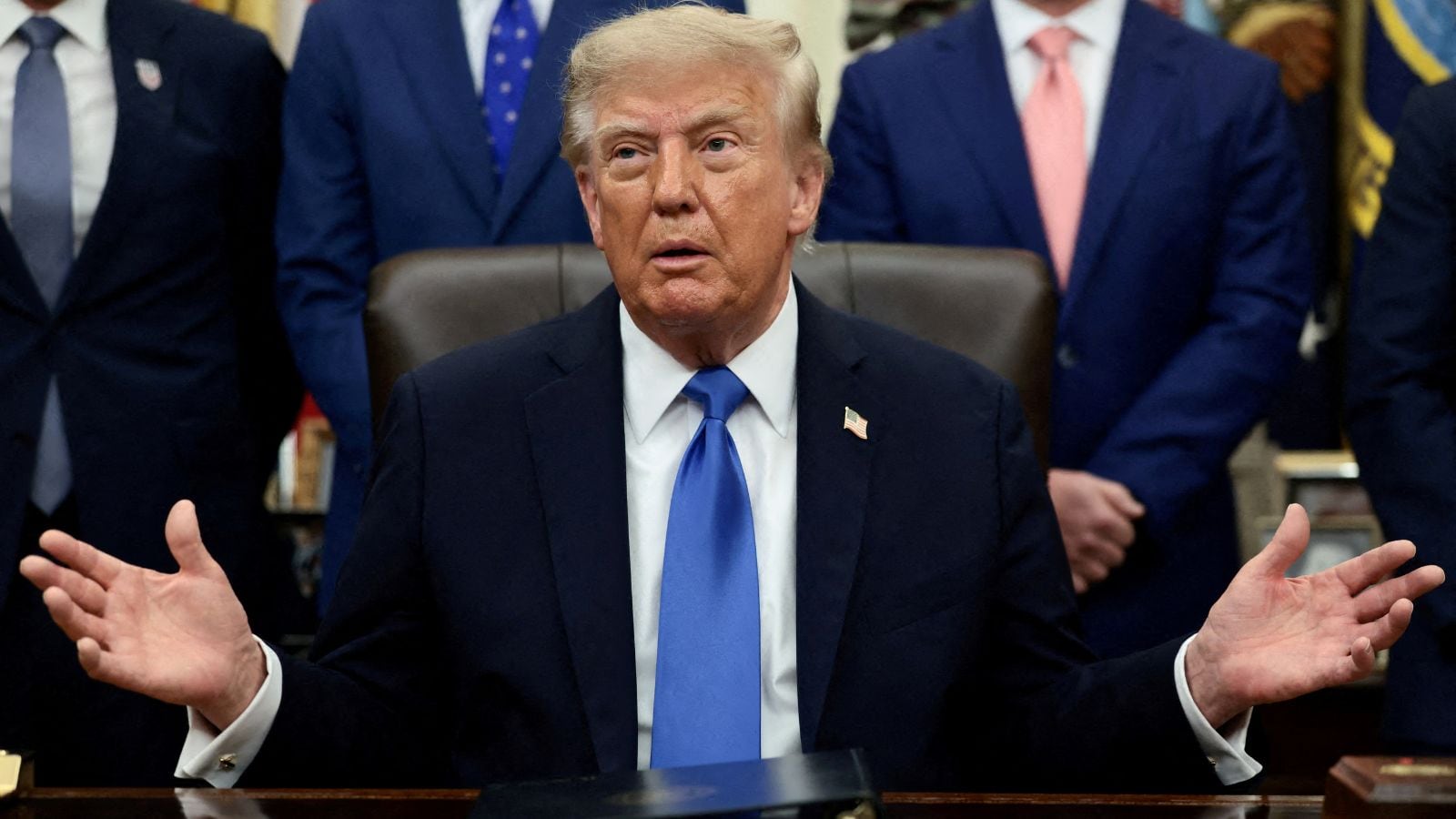
Even Donald Trump himself casually exposed the absurdity of this mechanism when floating extreme percentage tariffs, admitting that the arithmetic simply does not work because direct trade volume between the US and the primary combatants is already a trickle. When the architect of the policy acknowledges that the target does not buy enough from you for the weapon to connect, why do pundits keep pretending it is a silver bullet?
The dangerous part of this lazy consensus is not just that it fails; it actively distracts from reality. While diplomats waste months drafting legislative threats that amount to economic posturing, the war grinds forward through physical attrition on the ground. Energy infrastructure takes direct hits, supply lines adapt, and the baseline cost of the conflict scales upward.
Stop looking at trade desks for military solutions. Economic instruments punish consumers and distort global markets, but they do not substitute for hard geopolitical leverage or battlefield realities. If you want to understand why this war continues, stop listening to trade theorists who think a customs tax can rewrite a territorial conflict.
Trump signs Russia sanctions bill, gets major power to impose 100% tariffs, India-China on focus
This video provides context on the legislative background of the tariff powers discussed in the debate over ending the war.