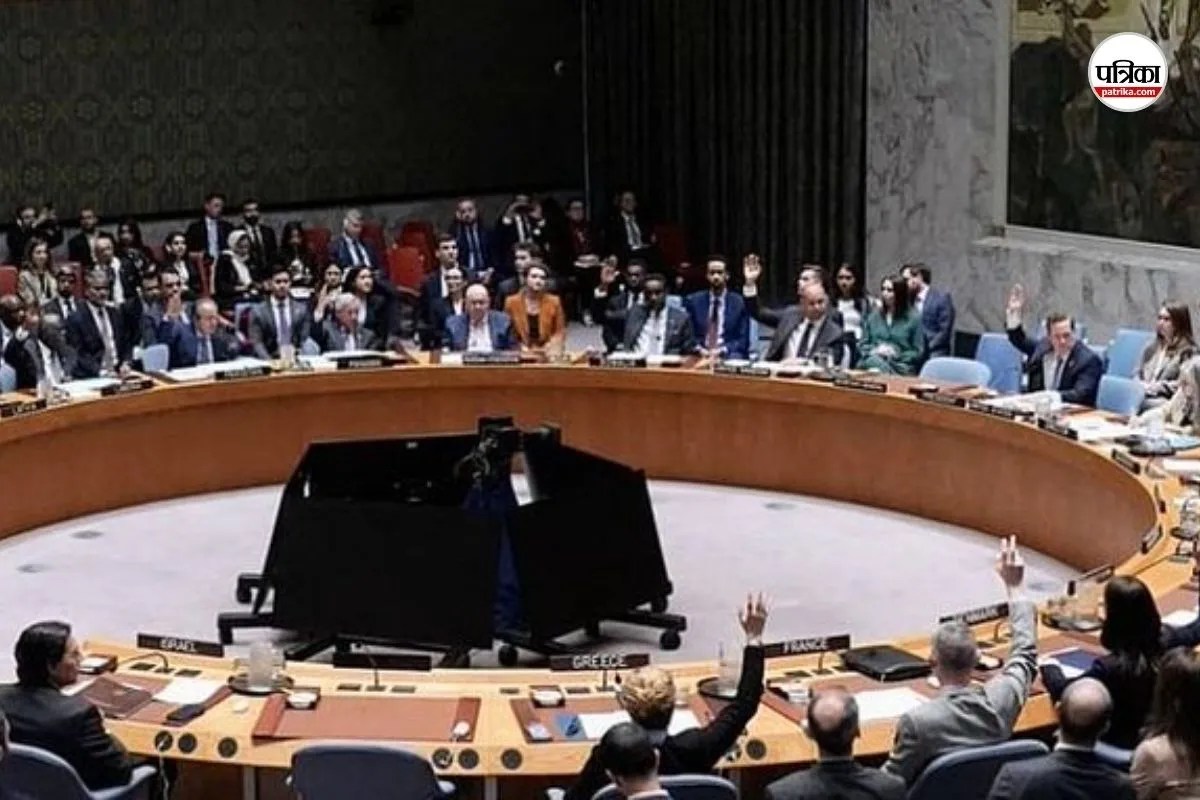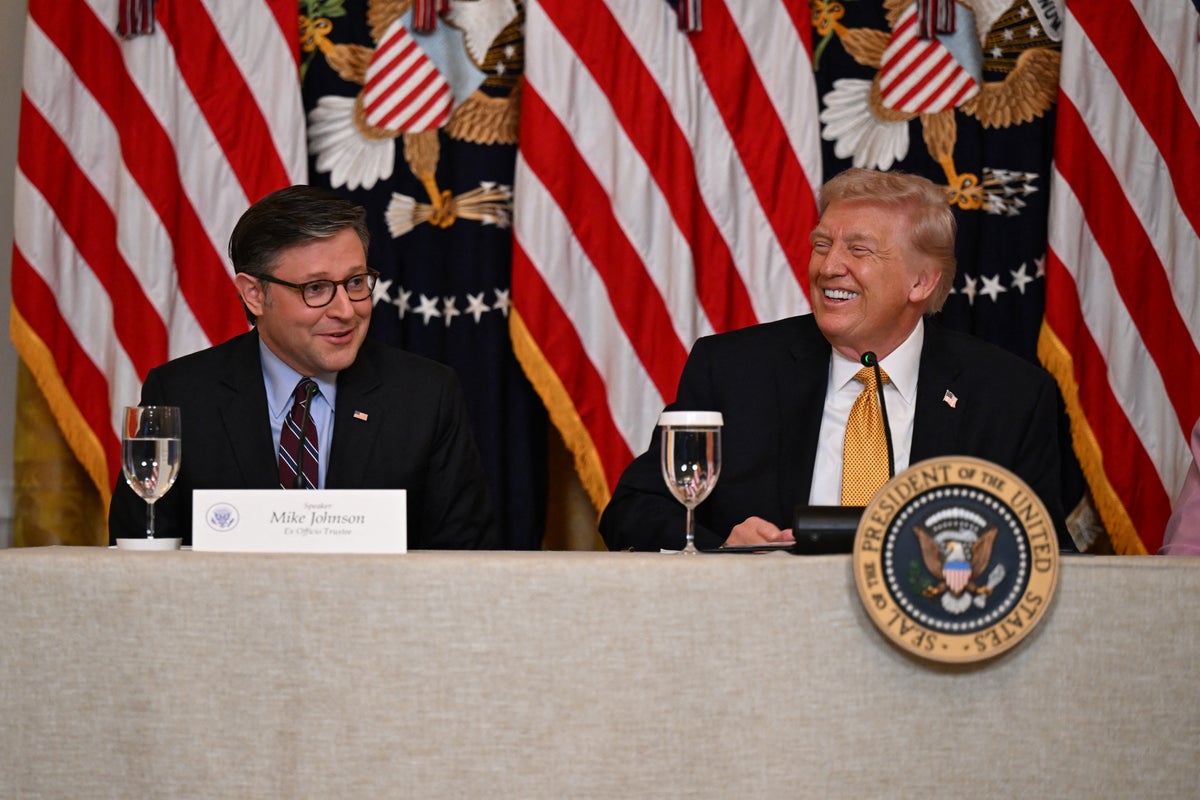
The narrative surrounding Section 702 of the Foreign Intelligence Surveillance Act has become entirely predictable. Every time renewal approaches, the legacy press prints the exact same eulogy. They tell us that political infighting, executive overreach, or partisan grudges are pushing America’s most critical surveillance apparatus to the edge of a cliff. They paint a picture of an intelligence community paralyzed by reform, facing an imminent blackout that will leave the nation blind.
It is a compelling drama. It is also entirely wrong.
The perpetual "crisis" of FISA renewal is not a sign of a failing system. It is the system functioning exactly as intended. The threat of collapse is the leverage required to push through broad surveillance powers with minimal meaningful oversight, year after year. While commentators wring their hands over the friction between political factions and spy agencies, they miss the fundamental reality: the intelligence apparatus thrives on this chaos. It uses the theater of imminent disaster to reset the baseline of what the public will accept.
The Myth of the Fragile Surveillance State
The core flaw in standard political reporting is the assumption that the American intelligence apparatus is fragile. We are told that a few dissenting politicians or a hostile executive branch can dismantle decades of bureaucratic architecture overnight.
Having analyzed the intersection of national security policy and state surveillance for over a decade, I can tell you that bureaucracy does not break that easily. It bends, it rebrands, and it absorbs shocks. Section 702—which allows the government to collect electronic communications of non-citizens located outside the United States—is routinely defended as irreplaceable. And because it is deemed irreplaceable, its expiration is treated as unthinkable.
When the media screams that the program is on the brink of collapse, they are echoing the exact talking points generated within the intelligence community itself. It is a classic leverage play. By framing any debate over civil liberties as a binary choice between total security or total blindness, the national security establishment forces a compromise that almost always favors the status quo.
Consider the mechanics of how these legislative deadlines actually play out. The Foreign Intelligence Surveillance Court (FISC) routinely issues one-year certifications for surveillance programs. Even if Congress fails to reauthorize Section 702 before a specific calendar date, the existing certifications allow the collection to continue for months afterward. The "cliff" is an illusion designed to induce panic and force a vote before anyone can read the fine print.
Dismantling the Backdoor Search Panic
The most contentious element of the FISA debate always centers on "backdoor searches"—the practice of intelligence analysts querying the collected foreign data for information belonging to American citizens without a warrant.
Civil liberties advocates argue this is a blatant violation of the Fourth Amendment. The intelligence community counters that requiring a warrant for these queries would blind them to fast-moving domestic threats. Both sides are asking the wrong question. They are arguing over the lock on the front door while the back wall has already been knocked down.
The debate assumes that Section 702 is the only way the government accesses this data. It ignores a massive, unregulated parallel market: the commercial data broker industry.
- The government does not need a FISA warrant to know your location history, your purchasing habits, or your social connections.
- Federal agencies routinely buy this exact information from private companies that harvest it from everyday smartphone applications.
- This commercial acquisition bypassing the courts entirely is not a secret loophole; it is standard operating procedure for modern law enforcement and intelligence entities.
Focusing exclusively on whether the FBI needs a warrant to search Section 702 databases is a distraction. It allows politicians to look tough on privacy by demanding reforms to a single program, while leaving the broader, more pervasive ecosystem of commercial data surveillance completely untouched. It is theater.
The Flawed Premise of Reform
Whenever public pressure forces Congress to act, we get a wave of "reforms." We see mandatory auditing, new reporting requirements, and reduced lists of personnel authorized to approve queries.
These adjustments fail because they treat systemic incentives as mere administrative errors. The FBI’s historical non-compliance with its own querying rules—which included searching for data related to political protesters and campaign donors—was not a matter of agents forgetting the rules. It was the predictable result of an environment that prioritizes information ingestion over constitutional restraint.
When you incentivize an agency to prevent every possible threat, they will use every available tool to its absolute limit. Adding a few extra pages of compliance paperwork does not change that math; it just makes the process take longer. True reform would require strict, adversarial judicial review for every single domestic query, backed by criminal penalties for misuse. No intelligence agency will ever volunteer for that, and no standard piece of compromise legislation will ever include it.
The downside of acknowledging this reality is uncomfortable. It means admitting that the bipartisan consensus on national security is largely immune to public oversight. It means recognizing that the dramatic battles on the congressional floor are less about national safety and more about managing public perception.
The Real Cost of the Theater
The danger of this perpetual cycle of manufactured crisis and superficial reform is not that the surveillance state will collapse. The danger is that it becomes completely unaccountable through normalization.
When every renewal cycle is treated as an emergency, the public develops outrage fatigue. People stop paying attention to the specific mechanics of interception, the expansion of targeting definitions, or the erosion of constitutional protections. They simply accept that this is the price of admission for the modern world.
The intelligence community does not fear the fight over reauthorization. They welcome it. The debate provides a veneer of democratic legitimacy to a process that is, by design, shielded from the public eye. It allows everyone involved to play their assigned roles: the politicians look like defenders of liberty, the agencies look like defenders of the homeland, and the underlying architecture of mass surveillance remains completely undisturbed.
Stop watching the clock tick down to the deadline. Stop believing the warnings about an imminent intelligence blackout. The program is not going anywhere, because the panic itself is the very mechanism that keeps it alive.