Don't let the optimistic soundbites fool you. When American and Iranian negotiators wrapped up their indirect talks in Doha this week, Donald Trump was quick to brag. He claimed the "denuclearization of Iran is moving along well."
It isn't. Mostly because they didn't even talk about it.
The reality behind closed doors in Qatar was far less grand and far more desperate. Instead of drafting some historic blueprint for Middle East peace, negotiators spent two days playing a high-stakes game of telephone through Qatari and Pakistani mediators. They weren't solving the nuclear crisis; they were frantically trying to keep a fragile two-week-old ceasefire from collapsing into absolute chaos.
If you want to understand why these talks matter, you have to look past the official press releases. The real story is about frozen billions, a strategic shipping choke point, and a bizarre plan to charge toll fees on the world’s oil supply.
The Illusion of High Level Progress
The optics in Doha looked major. Jared Kushner and US envoy Steve Witkoff landed in the Qatari capital, signaling heavy-hitting White House involvement.
But they didn't actually sit in the room. In fact, nobody from the US sat across from an Iranian.
The meetings were entirely technical and completely indirect. While Kushner and Witkoff met with the Qatari Prime Minister to lay the groundwork, the actual heavy lifting was done by mid-level specialists. Iran didn't even send its big guns. Foreign Minister Abbas Araghchi stayed home. Instead, Deputy Foreign Minister Kazem Gharibabadi led a technical team that bounced messages back and forth through intermediaries.
The big takeaway Trump touted—progress on nuclear limits—was flatly contradicted by sources on the ground. Reuters and other outlets confirmed that the nuclear program wasn't even on the table yet. Vice President JD Vance basically admitted as much to US troops in Virginia, noting that Washington is worried about the nuclear issue but will "start talking about that" later.
So, what did they actually spend two days arguing about?
The Battle for the Strait of Hormuz
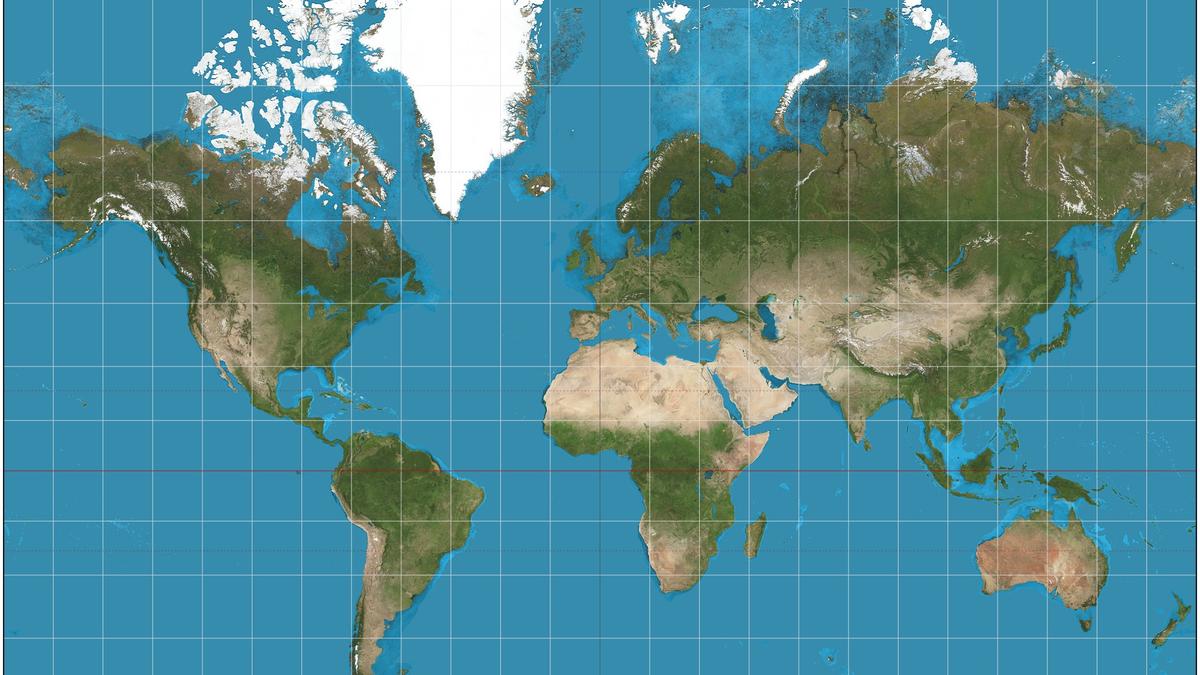
The immediate crisis is the Strait of Hormuz. It's the world's most critical oil transit lane. A fifth of global oil flows through it.
Under the interim Memorandum of Understanding signed two weeks ago, both sides agreed to a 60-day ceasefire to pause the war that erupted in February. Part of that deal involved reopening the blockaded strait. But commercial shipping is still an absolute mess. It's patchy, unpredictable, and downright dangerous. Just last weekend, the US and Iran exchanged military strikes after an attack on a cargo ship.
Now, Tehran is trying to turn a crisis into a business model.
Iranian officials are demanding international recognition of their control over the waterway. Their plan? Start charging tolls on commercial ships passing through the strait once the toll-free grace period expires in mid-August.
US negotiators spent the Doha talks trying to kill this idea. The American strategy is simple: convince Iran that they can make way more money through sanctions relief and nuclear concessions than they ever could by shaking down cargo ships. To keep the peace while they squabble over the rules, the two sides did manage to agree on one concrete thing: a hotline. They're setting up a direct communication channel specifically to report and log violations of the ceasefire. They want to make sure an accidental skirmish doesn't kick off another round of missile strikes.
The Six Billion Dollar Argument
Then there’s the money. Iran wants its cash, and they want it now.
A central pillar of the current diplomatic track involves $6 billion in frozen Iranian funds held in Qatar. Gharibabadi told Iranian state media that a deal was struck in Doha to partially unfreeze these assets so Tehran can buy essential domestic goods. Reports from Al Arabiya even suggested an understanding to release a first batch of $3 billion.
But Washington immediately threw cold water on that narrative.
US officials told American media outlets that absolutely no funds have been released, nor will they be, until Iran meets strict conditions outlined in the interim agreement. The US position is unyielding: nothing is free, and every dollar is tied to verification.
This public disconnect highlights the massive trust gap that still exists. Iran acts like the money is already theirs to spend; the US views it as the ultimate leverage.
The Next Diplomatic Hurdles
The Doha round didn't fail, but it certainly didn't solve the core issues. It bought time.
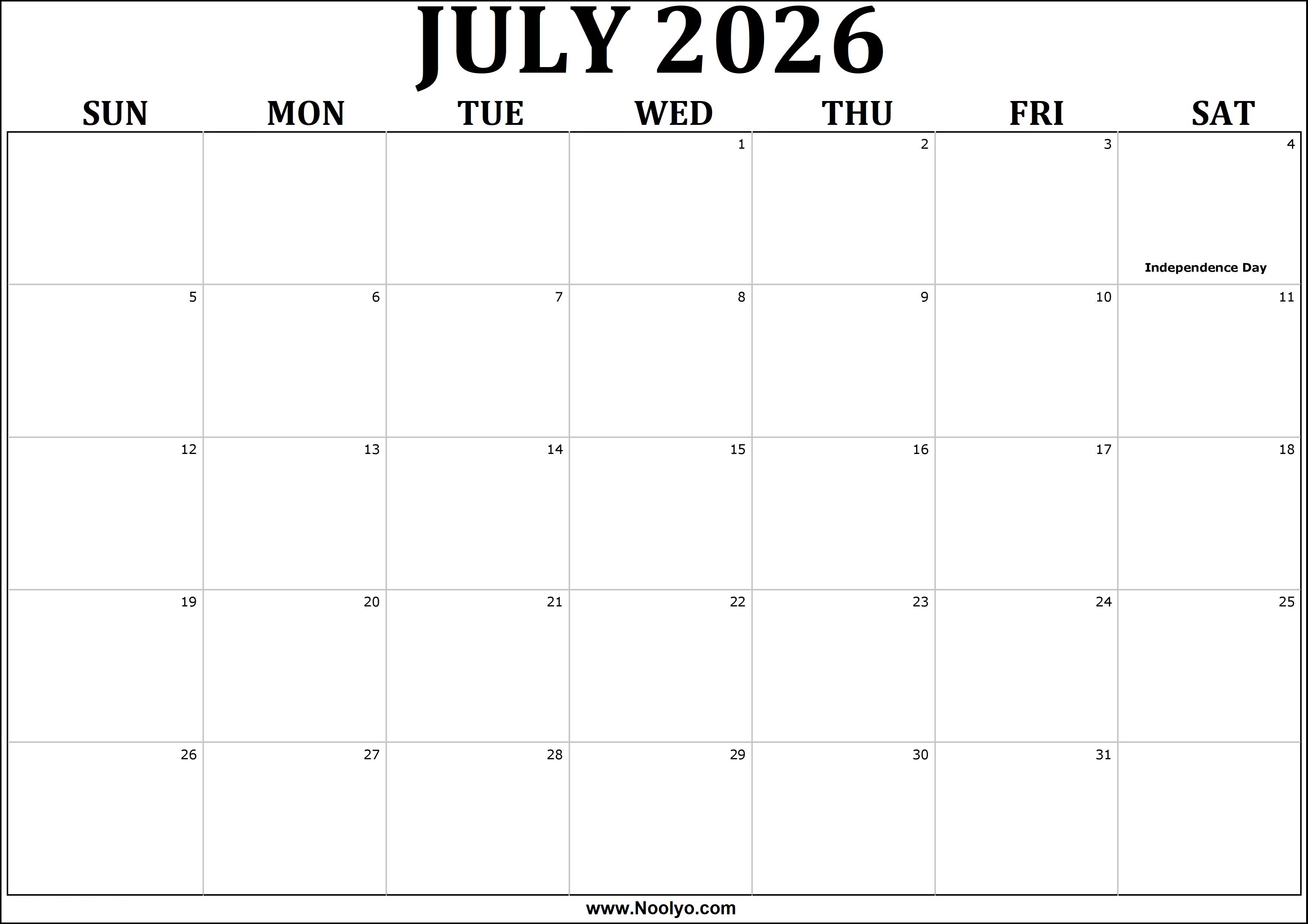
The immediate next step is an forced pause. Negotiations are officially on ice until after July 9, following the funeral processions for Iran's late Supreme Leader Ayatollah Ali Khamenei, who was killed back in February.
Once the mourning period ends, the 60-day clock on the interim agreement keeps ticking. If you're tracking this situation, watch these specific triggers over the next few weeks:
- The Mid-August Toll Deadline: Keep an eye on whether Iran backs down from its threat to charge shipping fees in the Strait of Hormuz. If they start taxing ships, the US military will likely respond.
- The Implementation of the Hotline: Watch if the new communication channel actually stops the finger-pointing the next time a container ship gets harassed or a drone gets shot down.
- The $3 Billion Release: See if Qatar actually clears the first tranche of humanitarian purchases, or if the US keeps the funds locked down.
The underlying structural issues—Iran’s nuclear enrichment and its regional proxy network—haven't even been addressed yet. Doha proved that the US and Iran can still talk when they're staring into the abyss. It didn't prove they can agree on anything that matters long-term.
US-Iran peace deal analysis This video features a breakdown by a senior political analyst explaining why the current US-Iran framework functions more as a temporary pause in hostilities than a definitive peace treaty.