Don't let the headlines fool you. When Donald Trump announced on Truth Social that Iran had requested a meeting and that it would take place in Doha, the world braced for a historic handshake. Instead, what arrived in Qatar's capital on Tuesday was a masterclass in diplomatic choreography, mixed messages, and severe regional friction.
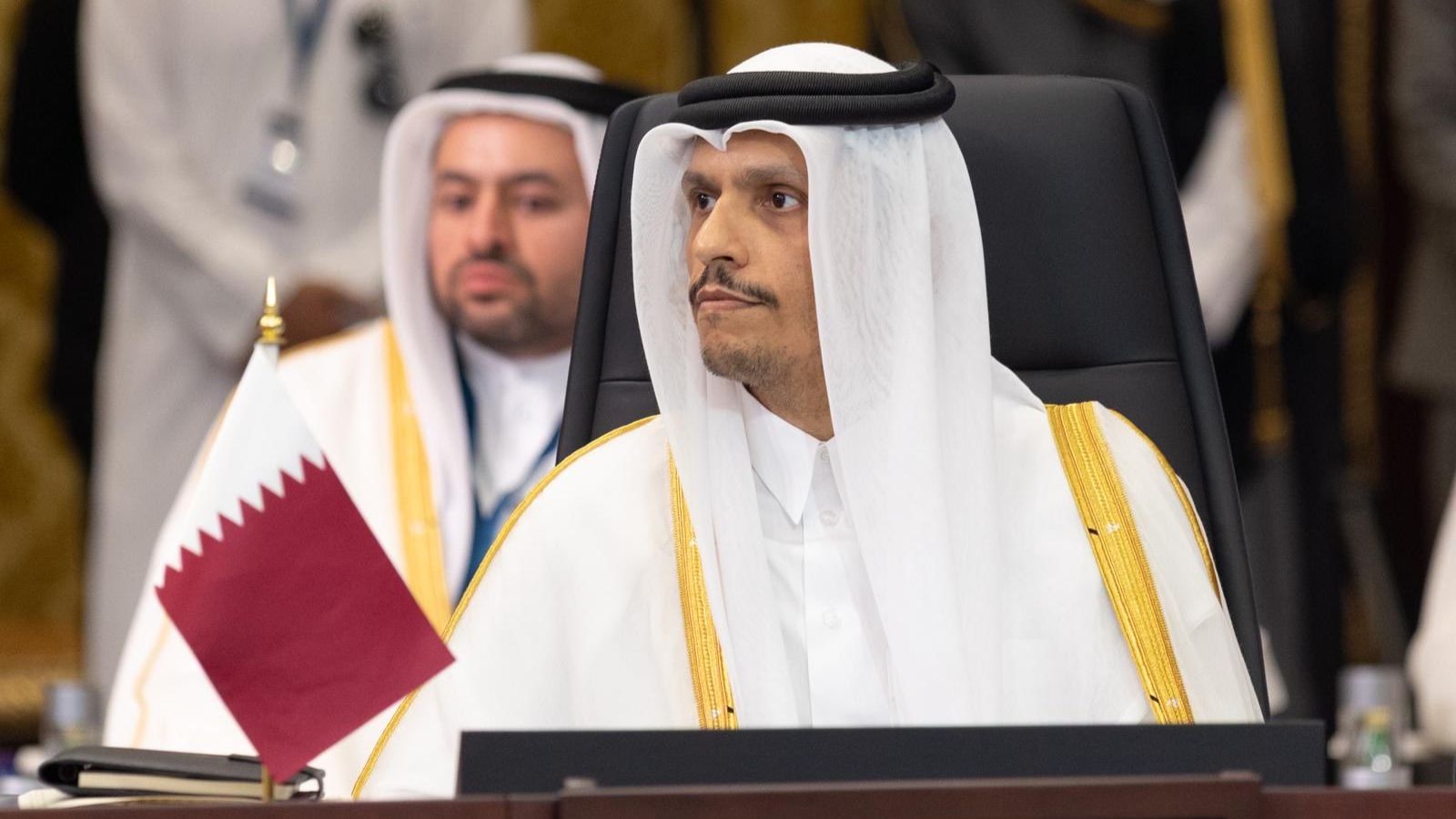
U.S. Special Envoy Steve Witkoff and senior adviser Jared Kushner touched down in Doha for high-stakes discussions with Qatari Prime Minister Sheikh Mohammed bin Abdulrahman al-Thani. But they aren't sitting across a table from Iranians. Tehran quickly rejected the narrative of direct talks, sending its own expert delegation exclusively to speak with Qatari mediators.
We are looking at a fragile 60-day ceasefire following a brutal weekend of tit-for-tat military strikes that nearly blew up the 14-point Memorandum of Understanding (MoU) signed on June 17. The current diplomatic push isn't about signing a grand peace treaty. It's an emergency salvage operation conducted through intermediaries to prevent a full-scale war from reigniting.
The Mirage of Direct Negotiations
The biggest mistake people are making right now is assuming Washington and Tehran are on the verge of a breakthrough. They aren't. Qatari Foreign Ministry spokesperson Majed al-Ansari made it explicit: Kushner and Witkoff are there to meet with mediators, not Iranian officials.
This indirect dance is how Middle Eastern diplomacy actually functions when the stakes are life and death. The 14-point MoU, established after severe military conflict involving the U.S., Israel, and Iran, set a 60-day clock to negotiate a permanent truce. We are halfway through that window, and the progress is incredibly thin.
The strategy relies on a dual-track mechanism. On Wednesday, U.S. and Iranian delegations are scheduled to hold separate, technical sessions with mediators from both Qatar and Pakistan. If you look at past efforts, like the failed rounds preceding the conflicts of 2025 and early 2026, this format is highly volatile. One wrong move or unvetted strike easily shatters the proxy lines of communication.
The Battleground Over Frozen Billions and Maritime Bottlenecks
What do both sides actually want from this round of indirect talks? It comes down to two tangible assets: cash and water.
Iran is using the Doha platform to lobby aggressively for the release of $6 billion in frozen assets held in Qatari banks. Tehran's position is simple: no cash, no compliance. Iranian Foreign Ministry spokesperson Esmaeil Baghaei noted their delegation's main focus is clearing the administrative and political hurdles to unlock those funds. Qatar has confirmed the money remains untouched, tied directly to progress in the negotiations.
On the flip side, Washington's primary focus is the Strait of Hormuz. Reopening this vital channel, where a fifth of the world's oil and liquefied natural gas passes, is critical for the U.S. administration. The U.S. wants shipping traffic to return to prewar levels, requiring the lifting of naval blockades and a massive mine-clearing operation. France has offered to help clear these mines, but the logistics are a political minefield of their own.
Iran's Parliament Speaker Mohammad Bagher Ghalibaf made it clear that Tehran considers its sovereignty over the Strait non-negotiable. The Islamic Revolutionary Guard Corps insists that only shipping routes it designates are safe.
To make matters more complicated, a quiet geopolitical rivalry is brewing over the waterway:
- Oman opened a separate shipping lane in its own territorial waters to bypass Iranian control.
- Iran is furious about this alternative route, claiming it undermines the collective security of the Gulf.
- Muscat proposed a plan to collect transit fees from ships using this new lane, a concept U.S. negotiators are reviewing with distinct hesitation.
Why a Permanent Deal Faces Heavy Resistance
Even if Witkoff, Kushner, and the Qatari Prime Minister manage to patch up the current ceasefire leaks, the structural flaws of the 14-point MoU make a long-term peace deal unlikely.
Look at Israel's stance. Prime Minister Benjamin Netanyahu completely distanced his government from the June 17 pact. Israeli officials are openly hostile to the terms, arguing that a simple cessation of hostilities does absolutely nothing to dismantle Iran's nuclear infrastructure or ballistic missile programs. While the MoU asserts it binds the U.S., Iran, and "their allies," enforcement on the ground is a different story.
Inside Iran, hardline domestic politics are choking the negotiators. Ghalibaf warned state television that Iran is fully prepared for war if its core demands are brushed aside. Tehran is refusing to even discuss the next phase of the peace deal—including potential limits on its nuclear program—until five key clauses of the interim agreement are finalized.
Chief among those demands was the consolidation of the ceasefire in Lebanon, which Ghalibaf claimed as a victory for Iranian priorities. Now, the focus shifts to the remaining technical clauses, and neither Kushner's political weight nor Qatar's deep pockets can easily bridge that ideological chasm.
The immediate step to watch is how the de-escalation hotline, currently operated by Qatar and Pakistan, handles the aftermath of last week's cargo ship strike in the Strait. If technical teams in Doha fail to establish a joint coordination mechanism for mine-clearing and maritime transit within the next 48 hours, the 60-day ceasefire will collapse well before its August expiration date. Keep your eyes on the movement of those frozen funds; it's the only real barometer of whether these talks are moving forward or stalling out.
No plans for direct US-Iran talks as negotiators head to Qatar
This broadcast breaks down the arrival of the U.S. envoys in Doha and confirms the separate, indirect nature of the negotiations regarding the frozen assets and regional security.