Geopolitical icebergs melt slowly, but they do melt. When American and Chinese defense officials sit down to restore high-level command channels, the rest of the world stops to watch. After a bitter two-year freeze that left naval captains and fighter pilots flying dangerously close to the edge in the Pacific, military-to-military communication lines are back open. You shouldn't mistake this diplomatic thaw for a permanent alliance, though. It's a pragmatic safety valve designed to keep great-power friction from boiling over into actual war.
The breakdown started back in August 2022. Following then-House Speaker Nancy Pelosi's controversial trip to Taiwan, Beijing slammed the door on direct military communications. That wasn't just a symbolic diplomatic snub. It meant that when Chinese interceptors buzzed American surveillance aircraft or aggressive naval maneuvers played out in the South China Sea, there was no direct phone line to call and de-escalate. Both sides were flying blind, operating on adrenaline and split-second tactical reactions.
The Cost of Silent Skies
When militaries stop talking, accidents happen. Without a reliable mechanism to clear up misunderstandings, a routine interception can quickly spiral out of control.
During the freeze, Pentagon officials repeatedly sounded alarms over unprofessional aerial intercepts and aggressive maritime blockades. Think about a fighter jet pulling within meters of a lumbering reconnaissance plane over international waters. One miscalculated roll or engine stutter triggers a catastrophe.
Restoring these command links means commanders can finally exchange real-time facts instead of guessing intent through state media or public press releases. It brings a basic layer of operational risk reduction back to the table.
Why Location Matters
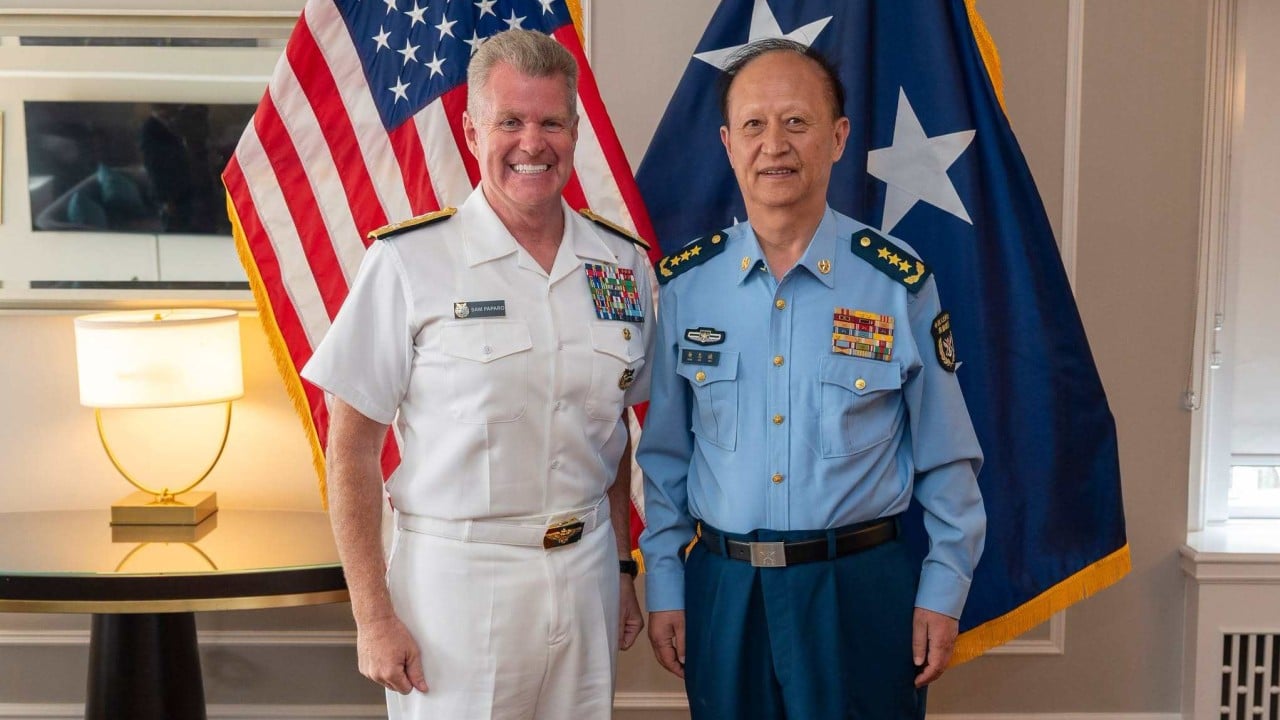
Recent high-level engagements—including strategic discussions hosted alongside international allies in places like Canada and formal talks in Hawaii—highlight how middle powers get pulled into the orbit of superpower competition. Canadian defense circles and U.S. Indo-Pacific leadership find themselves constantly managing the ripple effects of Beijing's expanding naval footprint and Washington's counter-strategy.
American commanders frequently label partners in the Pacific and North America as indispensable for maintaining regional stability. Even when trade spats or political rhetoric flare up between civilian politicians, military leaders try to keep their operational channels insulated from domestic noise. They operate on a cold calculation: geographic defense requirements don't care about daily political theater.
What Both Sides Actually Want
Beijing wants recognition of its core territorial sensitivities, particularly regarding Taiwan and its claims over nearly the entire South China Sea. Washington wants predictable behavior, adherence to international maritime law, and an assurance that neither side will misinterpret a routine exercise as the opening salvo of a conflict.
Reopening talks doesn't mean these foundational disagreements vanished. China continues to modernize its military at a staggering pace, aiming for regional military parity, while the United States maintains its commitment to a free and open Indo-Pacific.
Communication doesn't equal friendship. It equals risk management.
Keep an eye on how these restored channels handle the next inevitable operational close call at sea. That will tell you whether this dialogue is built to last or just another temporary pause in a long-term strategic rivalry.