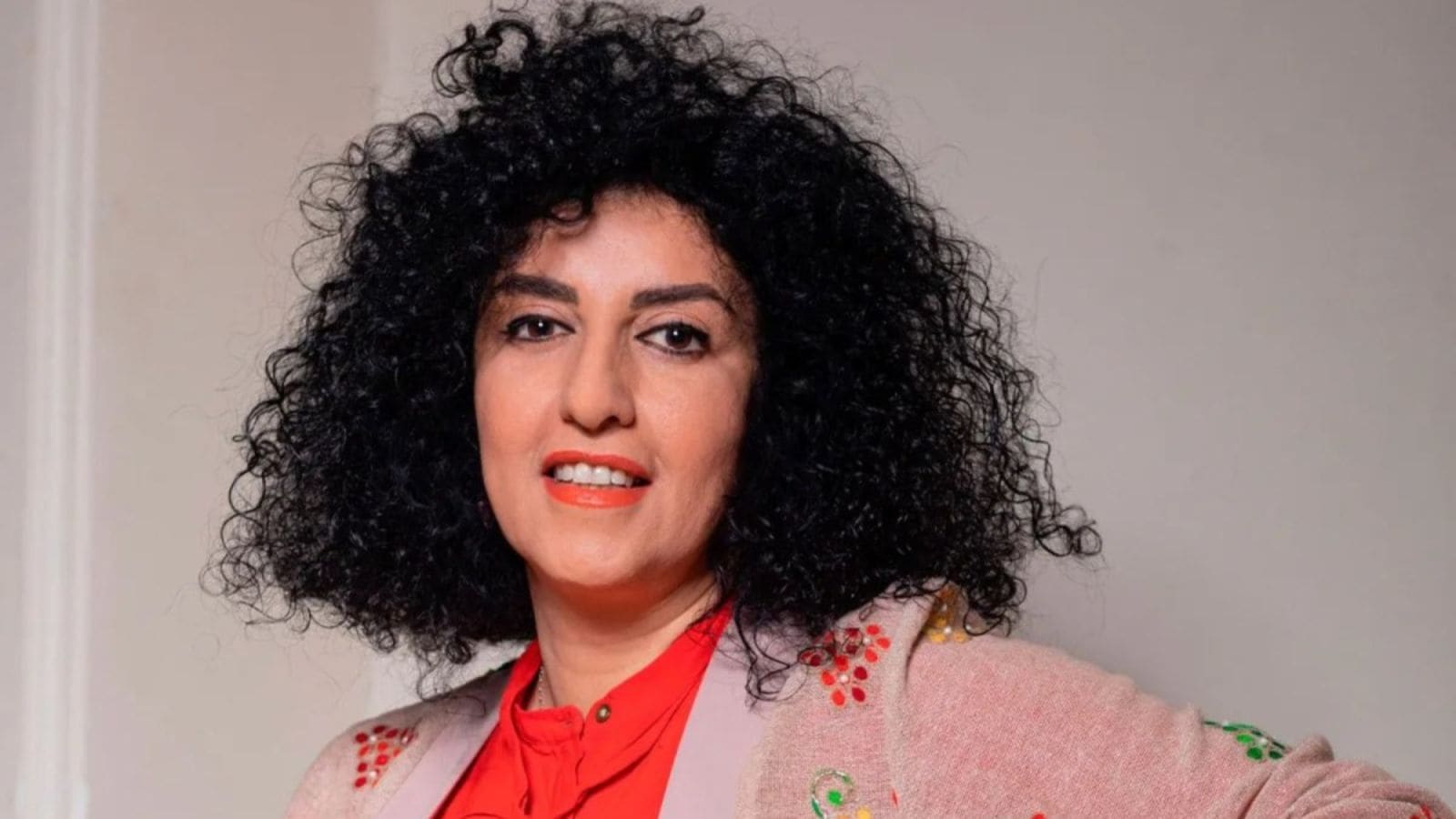
Narges Mohammadi finally left the walls of Evin Prison, but it wasn't for her freedom. She was moved to a hospital after months of suffering. This shouldn't have taken so long. For a Nobel Peace Prize laureate, the delay in medical care isn't just a bureaucratic slip-up. It's a targeted strategy.
You've probably heard her name before. She's the face of the "Woman, Life, Freedom" movement in Iran. Even behind bars, she hasn't stopped shouting. But right now, her body is failing where her spirit isn't. After weeks of her family and activists sounding the alarm, Iranian authorities finally allowed her transfer for treatment of serious heart and bone issues.
The reality of being a political prisoner in Iran means your health is a bargaining chip. It's a brutal game. When you're locked up in a place like Evin, a "hospital transfer" isn't a simple ambulance ride. It's a political negotiation. Mohammadi has been dealing with multiple blockages in her heart's arteries. She's also facing a bone marrow issue that requires specialized attention. For someone who has spent the better part of two decades in and out of cells, these aren't minor aches. They're life-threatening.
Why her medical transfer matters right now
The timing of this transfer isn't random. Pressure from the international community and human rights groups peaked recently. The "Free Narges" campaign has been relentless. They've pointed out that she’s suffered at least two heart attacks while incarcerated. Think about that. Surviving a heart attack in a prison cell is a miracle in itself.
In late 2023, Mohammadi even went on a hunger strike. Why? To protest the prison's refusal to take her to a hospital because she wouldn't wear a mandatory headscarf. She chose to risk her life through starvation rather than comply with a rule she finds oppressive. That's the level of conviction we're talking about.
Iranian authorities often use medical neglect as an extension of the sentence. It's a way to break a person without a formal execution. By the time Mohammadi was moved this week, her lawyers had been filing requests for months. They weren't asking for a pardon. They were asking for a doctor.
The physical toll of activism in Evin Prison
Evin Prison is notorious for a reason. It's where Iran puts its thinkers, its poets, and its rebels. The conditions are built to grind you down. Mohammadi is 52 years old. She’s currently serving a sentence that totals over 13 years, with dozens of lashes added on.
She has a history of pulmonary embolism—blood clots in her lungs. Combine that with the heart artery blockages, and you have a ticking time bomb. Her family reported that she had a bone biopsy recently. That's a painful, invasive procedure. Recovery in a sterile hospital is hard enough. Recovery in a damp, crowded prison wing is nearly impossible.
I've seen reports from other former inmates who describe the "infirmary" at Evin as a place where you're lucky to get an aspirin for a broken limb. The specialists Mohammadi needs aren't on the prison payroll. Every time she needs a real doctor, it requires a signed order from the prosecutor’s office. It’s a mountain of paperwork meant to slow things down until it's almost too late.
A pattern of medical neglect
Mohammadi isn't the first, and she won't be the last. The UN has repeatedly criticized Iran for this. They call it the "denial of medical care." It’s a tool used to silence dissent. If a prisoner is too weak to write letters or record messages, the movement loses its voice.
But Mohammadi hasn't lost her voice. Even while waiting for this hospital transfer, she sent out messages regarding the treatment of other women in the ward. She’s documenting the abuse of others while her own heart is failing. That's what makes her so dangerous to the regime. She refuses to be a victim, even when her body is giving out.
What happens after the hospital stay
The big fear now is "revolving door" treatment. The authorities move her to the hospital, give her just enough care to keep her alive, and then toss her back into the cell before she’s actually recovered. This happened in 2022. She had heart surgery and was sent back to Evin just days later. That’s not medical care. That’s a PR stunt.
Her family is demanding a "medical furlough." This would allow her to stay out of prison for an extended period to receive proper, consistent treatment. In Iran, this is legally possible, but it’s rarely granted to high-profile political figures unless the risk of them dying in custody becomes a PR nightmare for the government.
We have to look at the broader context of the Nobel Peace Prize. When she won in 2023, her children accepted the award in Oslo because she was in a cell. The prize brought a massive spotlight, but it also made her a bigger target. The Iranian government viewed the award as foreign interference. They didn't see it as a reason to be more lenient. If anything, they doubled down.
Breaking down the legal hurdles
The legal system in Iran doesn't work like the one you're used to. For Mohammadi, there are multiple overlapping sentences.
- Propaganda against the state.
- Actions against national security.
- Membership in illegal groups (meaning her human rights center).
Each time she speaks out from prison, they add another year. They recently added six months to her sentence because she protested the execution of another prisoner. She’s essentially in a loop where her sentence will never end as long as she remains vocal.
Her lawyers are currently pushing for a suspension of her sentence based on "medical incapacity." This is a specific legal clause in the Iranian penal code. If a doctor can prove that prison will literally kill her, she should be released. But the "doctors" involved are often linked to the security forces. It’s a rigged game.
The role of the international community
Don't think your voice doesn't matter here. The only reason she’s in a hospital right now is because people kept talking. Governments in Europe and the US, along with groups like Amnesty International, have made her case a priority in diplomatic talks.
When the world stops watching, the conditions for prisoners like Mohammadi get worse. The "Woman, Life, Freedom" movement didn't end when the protests left the streets. It moved inside the prisons. Mohammadi is the leader of that internal front.
Keeping her in the hospital is just the first step. The goal is to ensure she doesn't go back to the environment that made her sick in the first place.
If you want to help, support organizations like the Free Narges Coalition. They provide the legal and logistical support her family needs. Follow the updates from her official Instagram page, which is run by her family in Paris. Awareness is the only shield these prisoners have against the darkness of Evin. The pressure must stay high to ensure this hospital visit isn't just a brief pause in her slow-motion execution.