The UK is a services superpower, yet China ranks a measly ninth on its list of services export destinations. That's a massive, glaring mismatch.
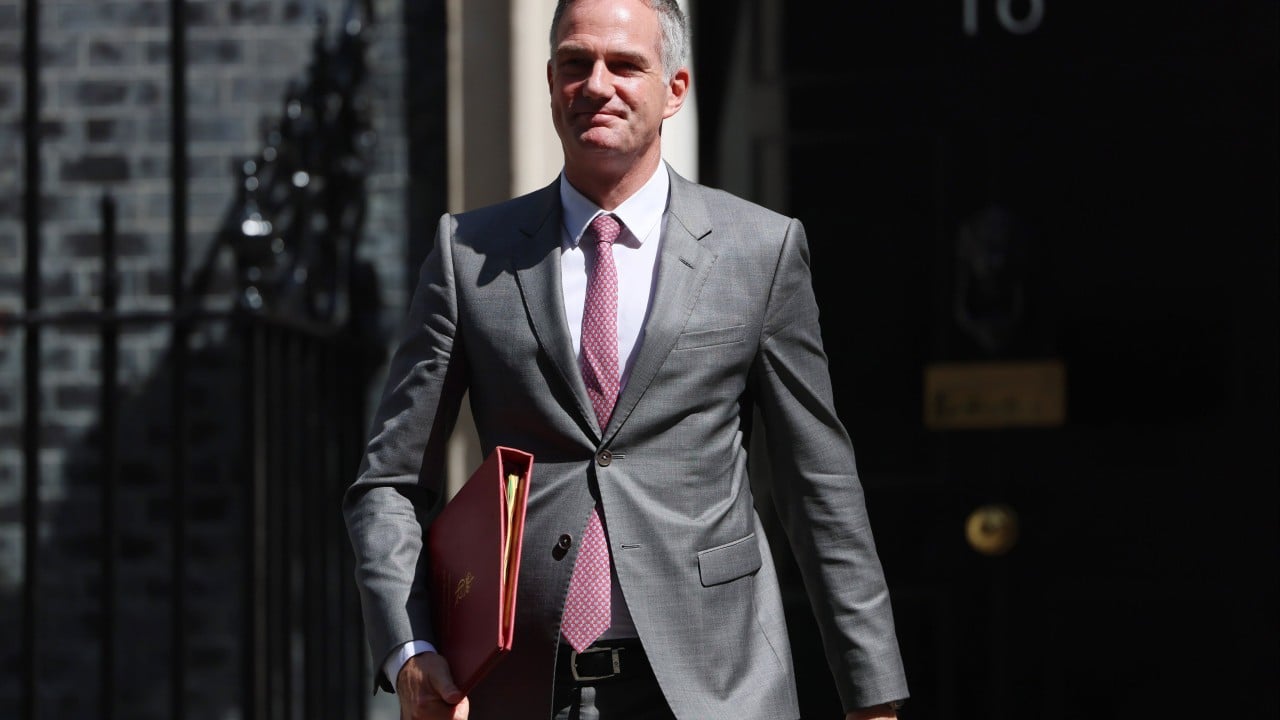
UK Trade Secretary Peter Kyle and Chinese Minister of Commerce Wang Wentao are meeting at Mansion House in London to co-chair the 15th UK–China Joint Economic and Trade Commission (JETCO). The goal is straightforward. The UK government wants to get British engineers, architects, and accountants exporting their skills directly into the world’s second-largest consumer market. Learn more on a connected topic: this related article.
It's a delicate dance. While the manufacturing sector grabs headlines, the real money for Britain lies in what you can't drop on your foot. Here's what's actually happening behind the closed doors of Mansion House and why this meeting matters for businesses trying to scale.
The Massive Services Inbalance
Let’s look at the actual numbers because they tell a wild story. The UK runs a brutal deficit when it comes to trading physical goods with China. We buy their electronics, machinery, and textiles by the container load. But flip the script to services, and the UK has a healthy £9.5 billion surplus. Further journalism by Business Insider explores similar views on this issue.
The problem? It should be way bigger. Right now, more than a third of that services export profile is completely swallowed up by one single thing: education. Chinese students coming to UK universities bring in billions. That's great, but it means other massive sectors like finance, law, engineering, and healthcare are punchin well below their weight.
To solve this, the two nations are launching an initiative called Trade Booster. Backed by the China-Britain Business Council, HSBC, ICBC, and JD.com, it’s a direct attempt to give small and medium enterprises the logistical and regulatory muscle they need to penetrate the Chinese mainland.
Concrete Wins Already on the Table
This isn't just a talking shop for diplomats. A handful of British organizations have already carved out fresh commercial agreements that prove the appetite is there.
- Finance: Barclays has executed its first Panda Bond issuances. This makes it the first UK-incorporated bank to enter China's domestic bond market.
- Qualifications: The Chartered Institute of Management Accountants (CIMA) is collaborating directly with Beijing to secure mutual recognition of its accounting qualifications. If you're a British-trained accountant, your credentials might soon carry full weight over there.
- Healthcare: The Royal College of Surgeons of England is setting up partnerships with Chinese medical institutions to boost surgical training and educational standards.
- Tech and Retail: Companies like Intelligent Fabric Technologies are actively establishing operations in Shanghai and Hong Kong to sell patented medical clothing tech directly to an aging Chinese demographic.
Alongside these deals, a new UK-China Professional and Business Services Matchmaking platform is going live. Think of it as a corporate dating service designed to connect cash-rich Chinese firms with elite London legal and financial services to help them raise capital globally.
The National Security Tightrope
You can't talk about China without talking about the geopolitical elephant in the room. The UK government is trying to play a double game here, and it's a risky one. Peter Kyle has made it clear that Downing Street will aggressively push for commercial growth while simultaneously challenging Beijing on matters of national security and supply chain resilience.
Can you really decouple critical technology while begging for architectural contracts? It's tough. British businesses looking to expand into China need to understand that the regulatory environment can change overnight depending on the political winds.
If you are an SME looking to utilize the new Trade Booster mechanism, your first step should be evaluating your intellectual property risk. The focus should be on high-value, low-risk skill exports—like design, consulting, and management qualifications—where the physical theft of trade secrets is less of a factor.
Don't wait for a grand bilateral free trade agreement. It isn't coming anytime soon. Instead, look at the specific sector-by-sector entry points like the CIMA qualification alignment or the healthcare training partnerships to see where your specific niche fits into Beijing’s current regulatory openings. The doors are opening slightly, but only for those who know exactly which knob to turn.