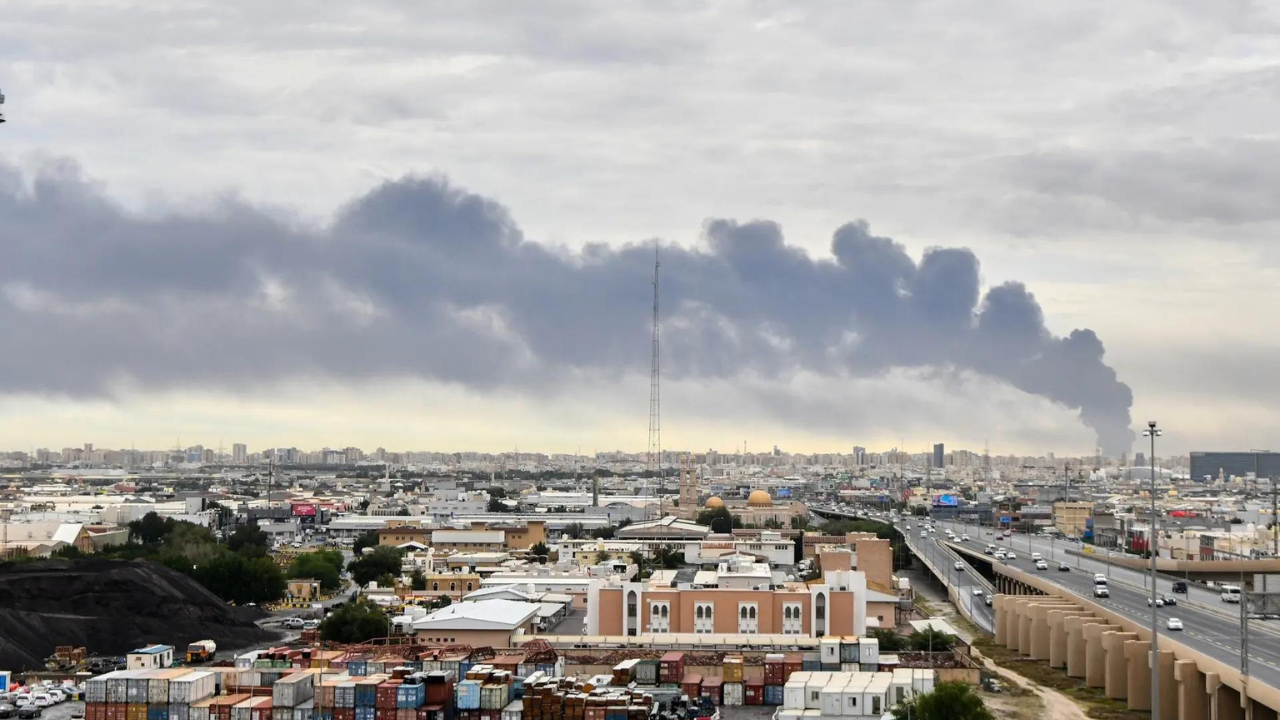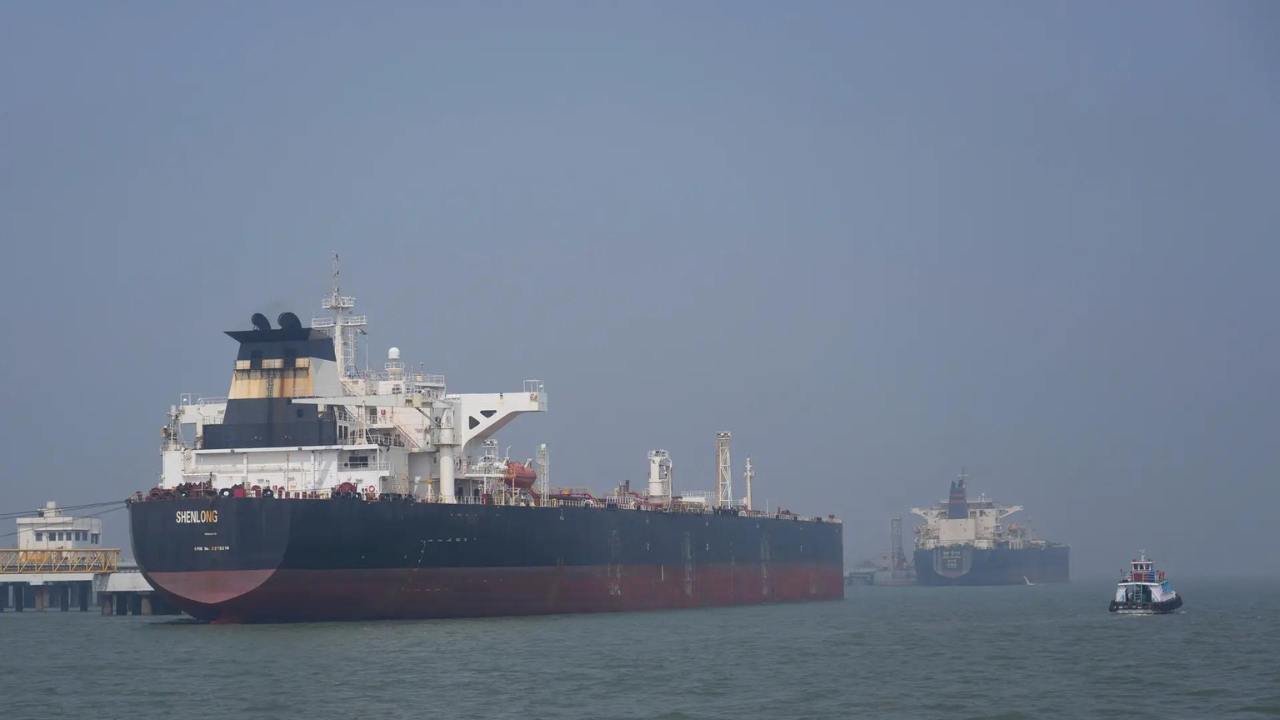
The United Arab Emirates is done playing the role of the quiet mediator. For years, Abu Dhabi acted as the region's diplomatic bridge, trying to balance its security alliance with the US against a "neighbors first" policy with Iran. That era ended on February 28, 2026. After a month of a brutal US-Israel war with Iran that's seen 2,500 missiles and drones rain down on Emirati soil, the UAE is now actively lobbying for a multinational military task force to reopen the Strait of Hormuz by force.
This isn't just about oil. It's about survival. Iran’s closure of the waterway on March 2, 2026, choked off 20% of the world's oil supply, but for the UAE, it also choked off the very image of stability that fuels Dubai’s real estate and tourism markets. When your "oasis of peace" starts seeing drone strikes on tankers in Dubai’s backyard, the diplomatic gloves come off.
Abu Dhabi's high stakes gamble
Abu Dhabi isn't just asking the US to do the heavy lifting. Reports indicate the UAE is ready to deploy its own naval assets and engage in high-risk mine-clearing operations. This is a massive shift. Historically, the Emirates preferred to stay in the shadows of maritime security, but the current "Operation Epic Fury" has changed the calculus.
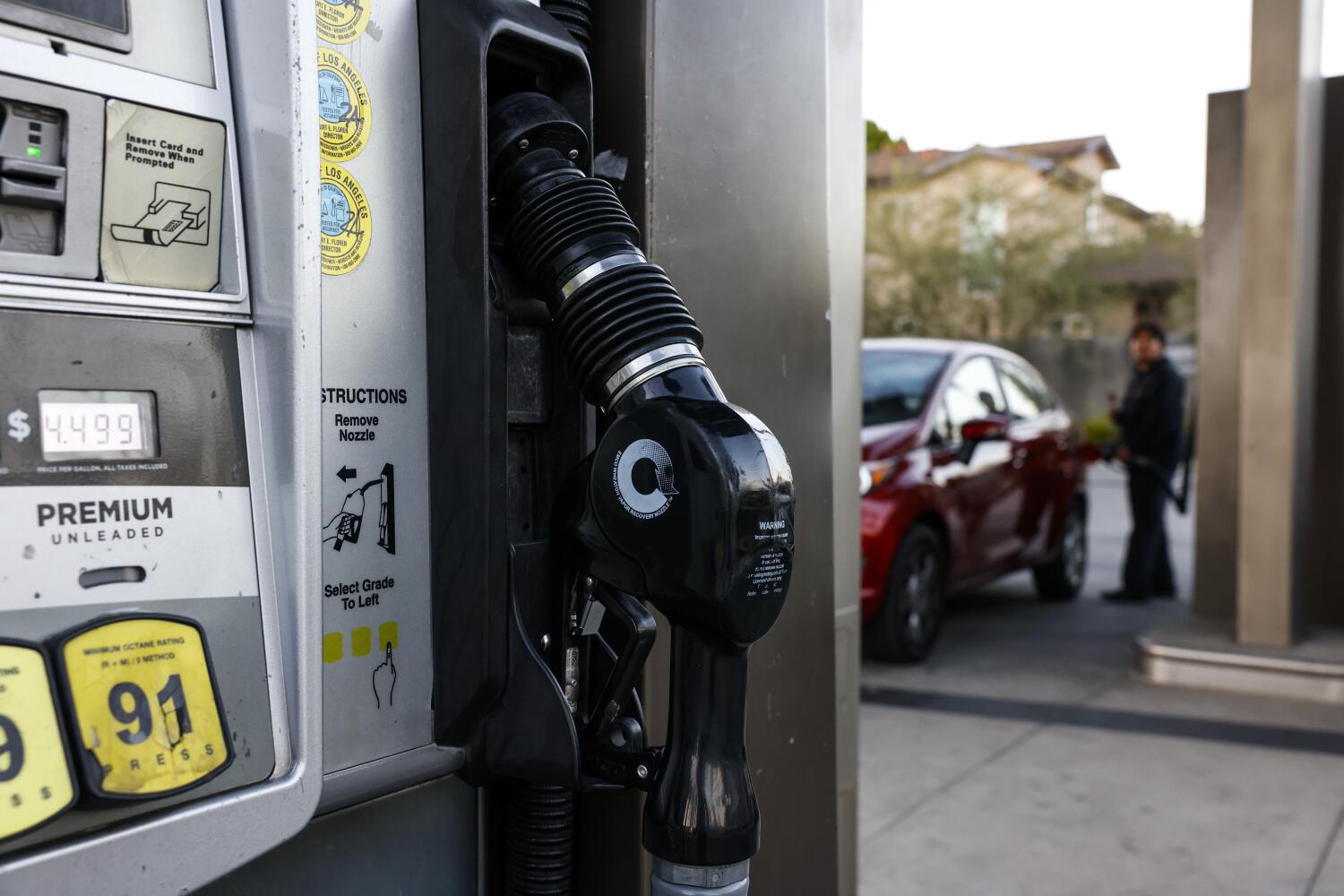
The UAE is currently pushing for a UN Security Council resolution that would authorize military intervention. They're looking for a broad coalition—not just the US and Israel, but powers from Europe and Asia who are feeling the squeeze of $4-a-gallon gas and tanking stock markets. They want a "NATO-scale" force to break the Iranian blockade. If they succeed, the UAE becomes a direct combatant, a move that would have been unthinkable just two years ago.
The end of the balancing act
Why the sudden aggression? Look at the numbers.
- Aviation: UAE airspace has seen frequent closures since mid-March, grounding the global hubs of Emirates and Etihad.
- Energy: While the UAE has pipelines that bypass the Strait, they aren't enough to compensate for a full regional shutdown.
- Security: Iran has targeted American allies specifically in retaliation for the killing of Supreme Leader Ali Khamenei.
Abu Dhabi’s leadership seems to have decided that a short, violent confrontation to reopen the Strait is better than a slow economic death. They’ve even gone as far as suggesting the US should seize key islands like Abu Musa—territory Iran has held for decades but the UAE claims as its own. This isn't just a maritime dispute anymore; it's an attempt to permanently redraw the security map of the Persian Gulf.
What this means for the global economy
If you think the current inflation is bad, a failed attempt to force the Strait open would make the 1970s look like a minor hiccup. Experts like former UK military chief General Richards have warned that it would take a force of nearly 200,000 troops to truly secure the waterway.
The UAE is betting that a multinational show of force will make Iran blink. But Iran, even in a weakened state after the initial strikes of Operation Epic Fury, has shown it can still inflict massive "asymmetric" damage. The risk for the UAE is that by leading the charge for a military solution, they turn their gleaming cities into permanent targets.
The shift from mediation to military might
The UAE spent the last few years trying to de-escalate with Tehran. They sent ambassadors back, signed trade deals, and tried to ignore the "proxy war" noise. That strategy is dead. The current administration in Abu Dhabi has signaled that "freedom of navigation" is a red line that cannot be negotiated.
By lobbying for a coalition that includes European and Asian partners, the UAE is trying to internationalize the conflict. They don't want this to be seen as a "US-Israel vs. Iran" war. They want it to be "The World vs. The Blockade." It’s a smart rhetorical move, but it doesn't change the fact that the missiles will be landing in the Gulf, not in Washington or Brussels.
If you’re watching the markets, keep your eyes on the UN Security Council. The moment a resolution is tabled—or the moment the UAE officially joins a maritime task force—is the moment the "shadow war" becomes a very real, very loud regional conflagration.
Next Steps for Observers:
- Monitor UN Resolution drafts: Watch for UAE-sponsored language regarding "maritime enforcement" in the Strait of Hormuz.
- Track insurance premiums: Follow the Lloyd's of London "War Risk" ratings for the Persian Gulf; any spike indicates a failed reopening attempt.
- Watch the islands: Keep an eye on any movement toward Abu Musa or the Tunbs; an Emirati move there means the war has expanded beyond ship protection.